


Top-rated generator install pros.

Best generator install pros near Murphy, NC

Enter your zip and get matched with up to 5 pros

Need a pro for your generator install project in Murphy, NC?

Select your specific project to find the pro for you.

Top-Rated Generator install pros in Murphy - Updated Nov 2026

Avatar for Jovan's Mobile Lube
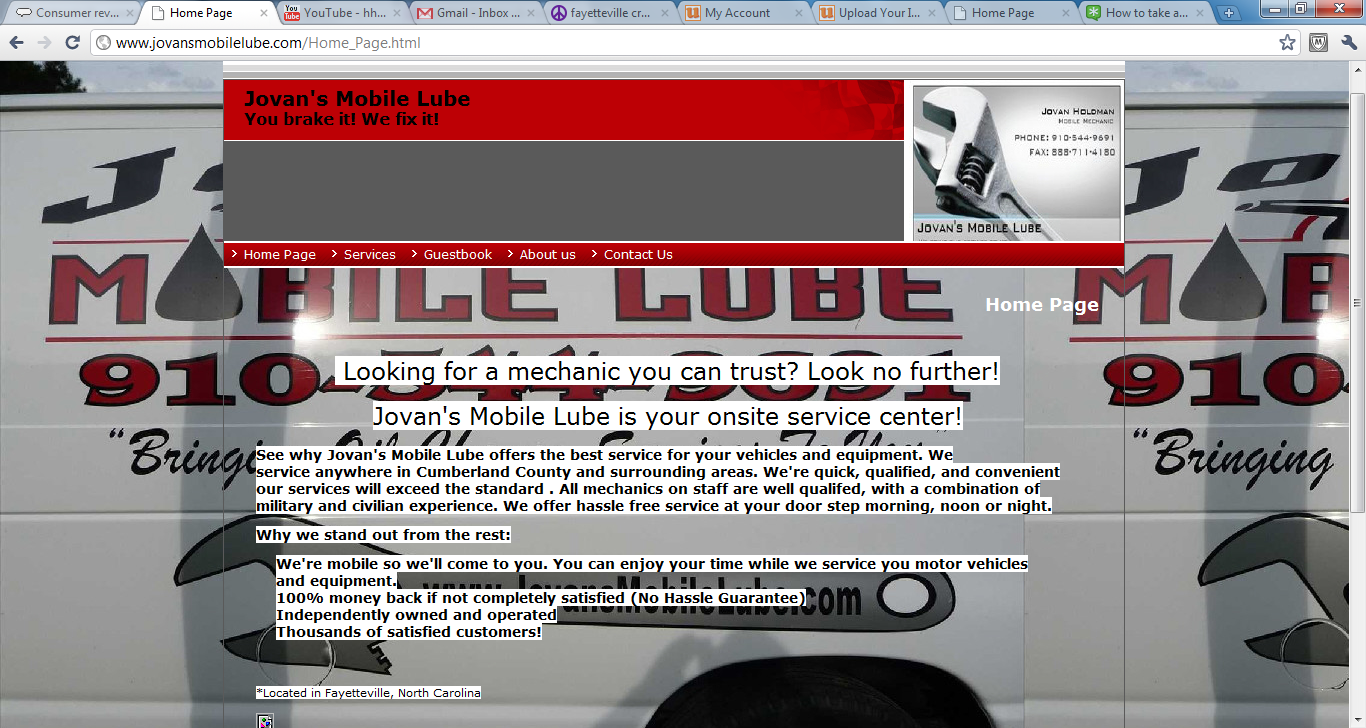
Jovan's Mobile Lube
5.0(
5
)
Fixed Generator - InstallFixed Generator - RepairGenerator - Install+4 more

Serving Murphy, NC and surrounding areas

In business since 2008

Emergency services offered

Credit card accepted

"I called Jovan's Mobile Lube after doing a google search for a mechanic. He was very courteous on the phone and gave me a g
\reat quote to check and then replace my brakes. Jovan scheduled me in for the next day. He came to my home on my day off, which was very convenient. If you want to job done right, fast, and affordable I highly recommend Jovan's Mobile Lube. he is now my #1 mechanic!
"
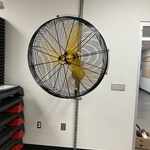
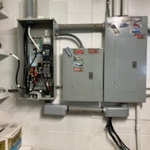
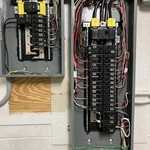
Additional Photos
Additional Photos
Recommended by100%of homeowners
Sweetwater Electric
New to Angi
Generator - Install - For Business

Serving Murphy, NC and surrounding areas

In business since 1998

Free estimates

Welcome To Sweetwater Electric! Quality starts with your electrical installation and extends to customer service. Ensuring you are satisfied is of the highest priority to me! I offer residential and commercial services in Cherokee, Clay and Macon Counties in North Carolina. I look forward to having an opportunity to help you with your electrical needs and am confident that you will see why my customers appreciate Sweetwater Electric! \n \n

Tri State Maintenance
New to Angi
Portable Generator - Repair

Serving Murphy, NC and surrounding areas

Free estimates

Emergency services offered

Local, dependable, punctual electrician to assist with any project with over 30yrs Industrial / Commercial / Residential applications. Exterior / Interior lighting upgrade, panel upgrade, additional circuits to new locations. We can handle it all. We have scissor lifts to reach up to 38ft working height!! Seeking an opportunity to be your new favorite electrician

Showing 1-10 of 20
Generator Install FAQs, answered by experts

Sizing a generator is a careful process that requires calculating the electrical load of your entire house. You have to take into account every device you want to use and their wattage requirements, plus the wattage needed to start them, and look for a generator that can safely run all that at around 80% capacity.

In more practical terms, a small home can run on a 10,000-watt generator (and if you only want to power a few key appliances, much less than that). A mid-sized home may need something between 15,000 and 22,000 watts. Larger homes require 25,000 watts or more. 

The amount of time a standby generator can run continuously is around 3,000 hours on average. However, standby generators can generally run indefinitely as long as they have a continuous fuel supply. Generators hooked up to a home’s natural gas supply are the best option for extended usage, as these won’t rely on a finite fuel supply based on how much you have in storage. Generators running on liquid propane or diesel won’t last as long, as these require fuel storage and regular refueling to stay running.

If you’re deciding between a solar battery versus a generator for the best backup power solution, you can take a few factors into consideration. Solar batteries are quiet while generators can be quite loud. Generators have a lower up-front cost, but they require fuel and ongoing maintenance while solar batteries are more expensive but don’t have many ongoing costs.

Energy output depends on turbine size, average wind speed at your site, and system efficiency. A 5 kW turbine in a good wind location can generate 8,000 to 12,000 kilowatt-hours per year, which may cover a large portion of an average home’s needs. Accurate output estimates require a professional wind assessment and a review of your household’s energy usage patterns.

As a safety measure, you should always turn off the main breaker while operating your generator’s backup breaker. In addition, you should also switch off all appliance breakers so you don't have a power surge when the main breaker turns back on. And finally, turning off the main breaker prevents back-feeding, which endangers utility workers with the risk of electrocution. Back-feeding could also destroy the electrical circuits of your neighbors if they use the same power network.

The Murphy, NC homeowners’ guide to generator installs

From average costs to expert advice, get all the answers you need to get your job done.