





Top-rated generator install pros.

Get matched with top generator install pros in Lillington, NC

Enter your zip and get matched with up to 5 pros

Need a pro for your generator install project in Lillington, NC?

Select your specific project to find the pro for you.

Find Generator install pros in Lillington

Avatar for M.R. Stoner Electric, Inc.
M.R. Stoner Electric, Inc.
4.7(
194
)
Fixed Generator - InstallGenerator - Install - For BusinessPortable Generator - Install

Serving Lillington, NC and surrounding areas

Approved

Super Service Award Winner

In business since 1992

Emergency services offered

Warranties offered

"Generator stop running and Mr. Stoner Electric, Inc. was the only company that came out. I call the company and Angie took the call and told me not to worry. She send Ryan and Chase to check out the problem.They found the problem and the generator is running again.Thank you Mr. Stoner for helping me this company went above and beyond then some. I will call on this company to help me. They did a great job. Thank you Angie for taking my call."
Lighting Insallation
Plan 604
M.R. Stoner Electric Staff
Plan 600
Light Installation

+25

Response time10 hrs
97 neighbors recently requested a quote
Recommended by93%of homeowners

Chris Edge Electric, Inc.
5.0(
7
)
Fixed Generator - InstallGenerator - Install - For BusinessPortable Generator - Install

Serving Lillington, NC and surrounding areas

Approved

In business since 2008

Free estimates

Customers say: Quick response

"Everything that Chris said he would do, he did. He was very professional and knowledgeable of the equipment installed. If and when I have electrical problems, Chris will be the person called."
Generac 50kw
Generac 50kw 3 phase
Generac 48kw
Response time7 hrs
2 neighbors recently requested a quote
Recommended by100%of homeowners
Avatar for The Electric Solution
The Electric Solution
4.7(
8
)
Fixed Generator - InstallFixed Generator - RepairGenerator - Install+4 more

Serving Lillington, NC and surrounding areas

Approved

In business since 2021

Free estimates

Warranties offered

"Small project but they were the first ones to reach out and respond with what I felt was a reasonable quote. The technicians showed up. The only downside and it’s nothing I was told I would receive a text or a phone call before they showed up and I did not. They just came. They still get five stars."
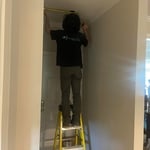
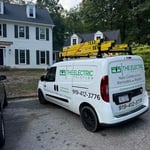
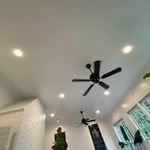
Additional Photos
Additional Photos
Fan Install day
Additional Photos
Response time1 day
Response rate100%
2 neighbors recently requested a quote
...
Showing 1-10 of 56
Generator Install questions, answered by experts

It might seem counterintuitive, but installing a generator transfer switch will save you money in the long run. While you’ll have to pay between $400 and $2,500 to have the transfer switch installed, you’ll recoup that amount later on when you don’t have to pay for expensive repairs to your appliances, devices, and electrical system that may have burned out, overloaded, or stopped working due to a sudden loss of power or an incorrect hook up of a generator to your home

To determine the right size generator for your house, you should calculate the total wattage of the appliances and devices you want to power during an outage. List all essential items, note their start-up wattages, and add them together.

Here are some typical wattage requirements for common appliances:

  • Refrigerator: 600 watts

  • Large dehumidifier: 700 watts

  • Large window air conditioner: 1,400 watts

  • Water heater: 3,000 to 4,500 watts

  • Electric furnace: 5,000 to 25,000 watts

A 7,500-watt generator might be sufficient for essentials like a refrigerator, freezer, well pump, and lighting circuits. However, for high-demand items like a water heater or furnace, a whole-home generator is a better choice. A portable generator may be enough if you only need to power a few critical items.

While home square footage can offer a rough estimate, it is not always a reliable indicator. For reference, here are some typical generator sizes based on square footage:

  • 1,000 sq ft: 6–9 kW

  • 1,500 sq ft: 7–10 kW

  • 2,000 sq ft: 10–14 kW

  • 2,500 sq ft: 12–16 kW

  • 3,000 sq ft: 16–20 kW+

For the most accurate sizing, consult a professional who can calculate your home's peak and average power consumption and recommend the optimal generator.

Energy output depends on turbine size, average wind speed at your site, and system efficiency. A 5 kW turbine in a good wind location can generate 8,000 to 12,000 kilowatt-hours per year, which may cover a large portion of an average home’s needs. Accurate output estimates require a professional wind assessment and a review of your household’s energy usage patterns.

Here’s what you can run with different wattages and types of generators:

Portable generator:

  • 2,000 watts can handle a large appliance like a freezer or refrigerator, plus a few smaller items like phones or computer chargers. 

  • 4,000 watts will keep two large appliances operating and a few smaller devices.

  • 8,000 watts should power most essential appliances and other devices, including a sump pump, well pump, or your dishwasher.

Partial to whole-house generator:

  • 20,000 watts and above will make it seem like your home’s power is still on.

Sizing a generator is a careful process that requires calculating the electrical load of your entire house. You have to take into account every device you want to use and their wattage requirements, plus the wattage needed to start them, and look for a generator that can safely run all that at around 80% capacity.

In more practical terms, a small home can run on a 10,000-watt generator (and if you only want to power a few key appliances, much less than that). A mid-sized home may need something between 15,000 and 22,000 watts. Larger homes require 25,000 watts or more. 

The Lillington, NC homeowners’ guide to generator installs

From average costs to expert advice, get all the answers you need to get your job done.