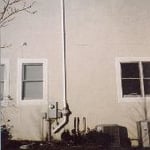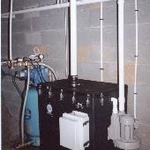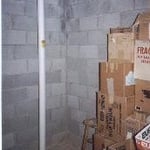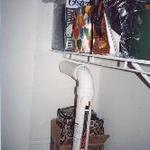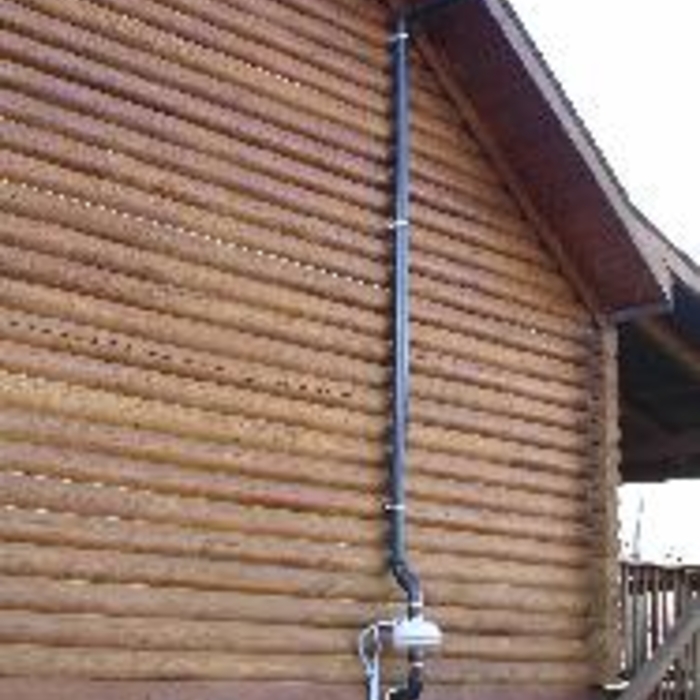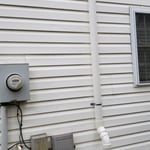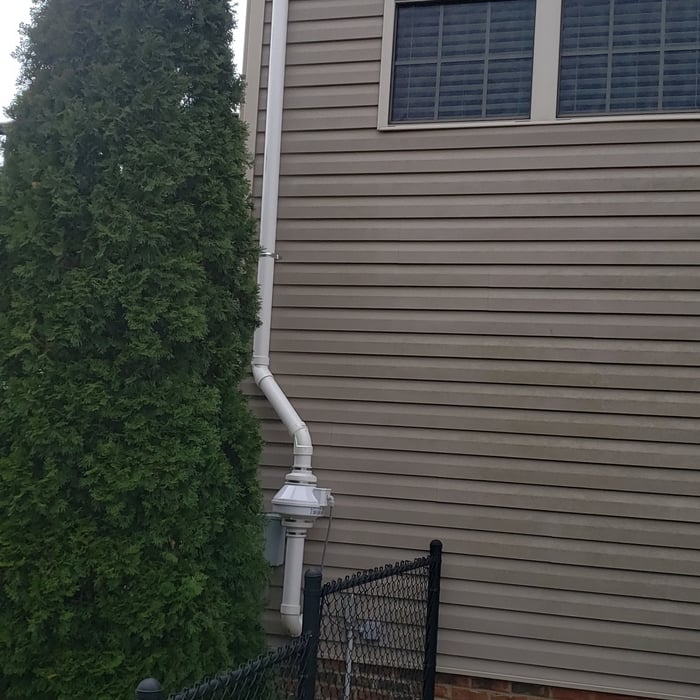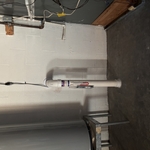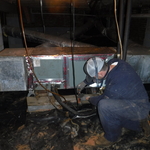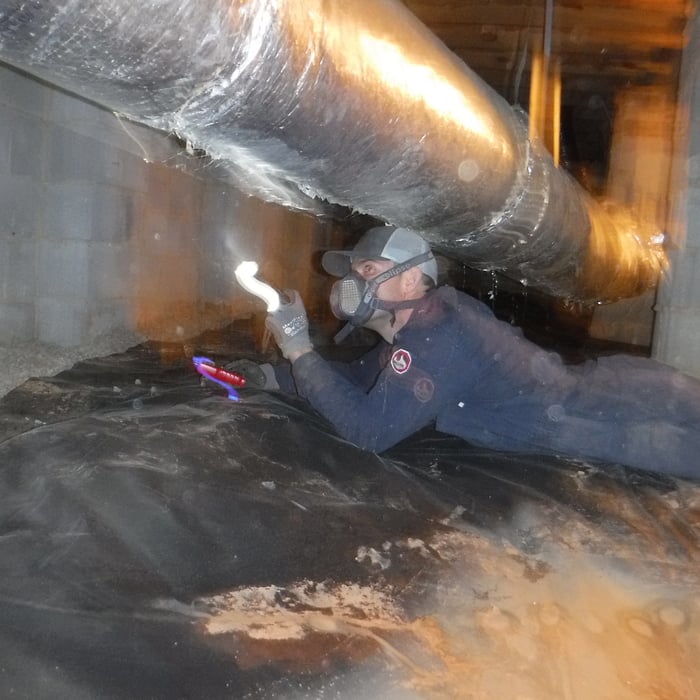


"Avert Radon LLC , specifically Chance, recently completed radon mitigation work at my residence, installing two systems. I typically refrain from writing reviews, but felt compelled to share my experience with Avert Radon LLC . I'm extremely satisfied with the results, as the radon levels are now virtually undetectable. Chance demonstrated exceptional professionalism throughout the process. The communication was excellent, and their meticulous attention to detail was also outstanding. Furthermore, their post-installation follow-up has been consistently excellent. I highly recommend this company without reservation. They are among the best service providers I've encountered. if I could give it more than five stars, I certainly would!"
"Great honest contractors. They did my bathrooms, hot water heater, unclogged my house drain and they did a French drain so my basement is not wet anymore. I already hired them to do my whole roof in the spring. I will hire them anytime."
"I was highly impressed. The report was super detail-oriented and he didn't miss a thing. Which is exactly what you want in a home inspection! Will recommend to anyone getting their house inspected."
Radon Detection and Reduction questions, answered by experts
Keeping radon from getting into your home is much better than having to get rid of it once it's already indoors. While there may not be a way to fully prevent radon from getting into your home, there are things you can do to reduce the gas's ability to enter.
Sealing foundation cracks and openings can help keep the gas from seeping inside. Improving air flow, such as by opening windows, can also be helpful. If you're building your home from scratch, talk to your contractor about using radon-resistant construction to keep the gas out.
Radon detection is crucial as prolonged exposure to radon gas, a leading cause of lung cancer, poses significant health risks in residential environments.
If high radon levels are detected, steps include sealing entry points, installing a mitigation system, and retesting the air regularly to ensure reduced levels.
You'll need to test your home for radon after installing the mitigation system, then again every two years. If radon remains elevated, contact a licensed radon professional, either the contractor who installed the system or a different one, and have them evaluate the system. They may need to make some changes to improve its effectiveness and performance.
No, radon mitigation systems do not decrease home value or make a home harder to sell. In areas where homes experience similar radon exposure risks, a radon mitigation system is viewed as an improvement. Potential homebuyers often opt to buy a home with a radon mitigation system already installed to reduce the risk of cancer for their families.
The Laurel Park, NC homeowners’ guide to radon detection and reduction services
From average costs to expert advice, get all the answers you need to get your job done.
Find out what impacts radon testing costs, including average prices for DIY kits and professional services, so you can protect your home and budget confidently.
Get clear answers on how much radon remediation costs, including average prices, key cost factors, and tips to save money on your home’s radon mitigation.
How long does a radon mitigation system last? A properly installed and maintained system can last 20 years or more, but various issues can reduce the life span.
Knowing how to test for radon will keep your home free and safe from this odorless gas—you just have to decide whether to do it yourself or hire a pro.