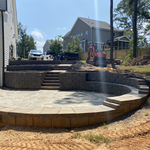







Top-rated fire pit installation pros.

Get matched with top fire pit installation pros in Carthage, NC

Enter your zip and get matched with up to 5 pros

Need a pro for your fire pit installation project in Carthage, NC?

Select your specific project to find the pro for you.

TRUSTED BY CARTHAGE, NC HOMEOWNERS

  • Average homeowner rating star icon4.4
    Average homeowner rating
  • Verified reviews icon264
    Verified fire pit installation services reviews

Find Fire pit installation pros in Carthage

No results for Fire pit installation pro in

Try adjusting your search criteria.
Fire Pit Installation questions, answered by experts

Installing a spark arrestor on your home’s chimney is an essential task. It reduces fire risk and ensures your chimney is compliant for insurance and building code purposes. Not having a spark arrestor could invalidate your home insurance or cause snags when it comes to a house sale.

A hot fire alone will not remove significant creosote buildup and can be dangerous, as it risks causing a chimney fire. While the warmth from a fire can help loosen stuck tar, making treatments like creosote logs more effective, it is not a substitute for proper cleaning. For existing creosote, the safest and most effective method is to have your chimney professionally cleaned by a chimney sweep.
You should never block both the top and bottom of your chimney. Proper airflow is essential because the temperature inside the chimney will still fluctuate as your house warms and cools. Moisture can build up without ventilation, leading to dampness in your walls over time. Blocking the top prevents debris and animals from entering, but the chimney still needs air circulation to avoid condensation issues. Allowing the chimney to breathe maintains the health of your home and prevents long-term damage.

Yes, splicing wires can cause a fire if the splicing is done incorrectly. This is why splicing wires is a task best handled by electricians. One of the most common mistakes made when splicing wires is not using a wire connector. Without a wire connector, electricity flows unsheathed and can result in a home electrical fire.

A smoke alarm that beeps periodically, often every 30 to 60 seconds, usually indicates a low battery. The first step is to replace the battery. If this doesn't solve the problem, try resetting the alarm. However, beeping can also signal other issues, such as dust buildup in the sensors or the unit reaching the end of its life. Different beep patterns can mean different things; for example, multiple beeps might indicate an issue with a combination carbon monoxide detector, while a continuous, loud alarm means smoke has been detected. If a new battery doesn't stop the beeping, it's best to consult your alarm's manual, call a professional, or replace the unit.

The Carthage, NC homeowners’ guide to fire pit installation services

From average costs to expert advice, get all the answers you need to get your job done.