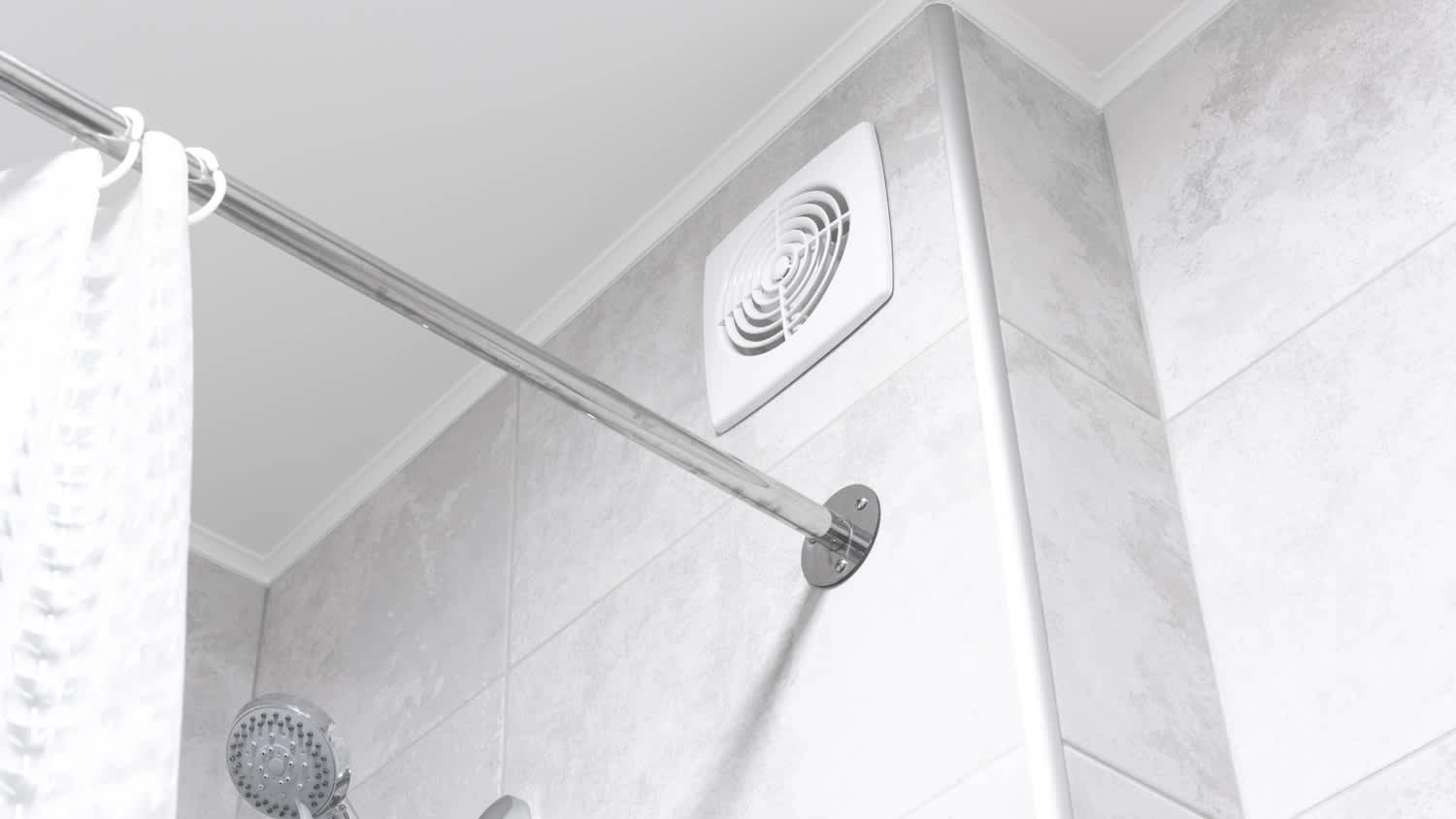





Top-rated bathroom fan installation pros.

Best bathroom fan installation pros near Bridgeton, NC

Enter your zip and get matched with up to 5 pros

Need a pro for your bathroom fan installation project in Bridgeton, NC?

Select your specific project to find the pro for you.

TRUSTED BY BRIDGETON, NC HOMEOWNERS

  • Average homeowner rating star icon4.6
    Average homeowner rating
  • Verified reviews icon416
    Verified bathroom fan installations reviews

Top-Rated Bathroom fan installation pros in Bridgeton - Updated Nov 2026

Avatar for JH Home Improvement
JH Home Improvement
4.8(
21
)
Bath Exhaust Fan - InstallBath Exhaust Fan - Repair

Serving Bridgeton, NC and surrounding areas

In business since 2001

Free estimates

Emergency services offered

"Have used the business twice so far with excellent results both times. Patched drywall and painted the den as well as plumbing repairs in master bathroom and replace faucet in 2nd bathroom. I will definitely hire this company again."
Complete Home Remodeling
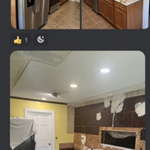
Additional Photos
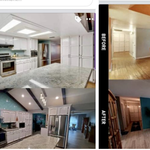
Additional Photos
Additional Photos
Additional Photos

+18

Recommended by100%of homeowners
Showing 1-10 of 47
Bathroom Fan Installation FAQs, answered by experts

Never add oil unless the fan is specifically designed for it. Most modern ceiling fans are designed with sealed bearings that don’t require oiling. However, some older fans may have oil ports for lubrication. If your fan is older and you hear squeaking or grinding, check the manual or the manufacturer’s website to see if oiling is recommended.

It depends on your budget and cooling needs. Whole-house fans keep your home breezy by pulling in cool air and pushing out hot air. In places with milder climates, they can replace air conditioning. On the other hand, Attic fans focus on keeping your attic cool—not your entire house. Often, whole-house fans cost more than attic fans, with installation ranging from $600 to $3,600.

Yes, ceiling fans come with a few other features that help with function, style, and convenience. Multi-speed fans can give you specialized control over the airflow. Consider getting one with an integrated light to save ceiling space. Some ceiling fans come with a remote control that enables you to change direction without climbing a ladder. Of course, you can also consider installing a wall switch to enjoy that convenience.

The direction you want your ceiling fan to move in depends on the season you’re in. During summer, you want it to move counterclockwise to produce a cooling downdraft. During winter, you want it to move clockwise to circulate warm air throughout the room.

There are many types of ceiling fans, from self-automated smart ceiling fans to outdoor ceiling fans that provide additional comfort to your patio. What you choose all comes down to function and personal taste.

Consider your ceiling height when selecting a ceiling fan. Rooms with ceilings under eight feet high will do well with low-profile ceiling fans, also known as flush-mount or hugger ceiling fans. If your home has cathedral ceilings or ceilings between 10 and 25 feet high, you’ll need a large ceiling fan with a heavy-duty motor to get adequate air circulation.

The Bridgeton, NC homeowners’ guide to bathroom fan installations

From average costs to expert advice, get all the answers you need to get your job done.