



Top-rated bathroom fan installation pros.

Get matched with top bathroom fan installation pros in Dover, NC

Enter your zip and get matched with up to 5 pros

Need a pro for your bathroom fan installation project in Dover, NC?

Select your specific project to find the pro for you.

TRUSTED BY DOVER, NC HOMEOWNERS

  • Average homeowner rating star icon4.7
    Average homeowner rating
  • Verified reviews icon153
    Verified bathroom fan installations reviews

Find Bathroom fan installation pros in Dover

Avatar for Dustin James Home Repairs
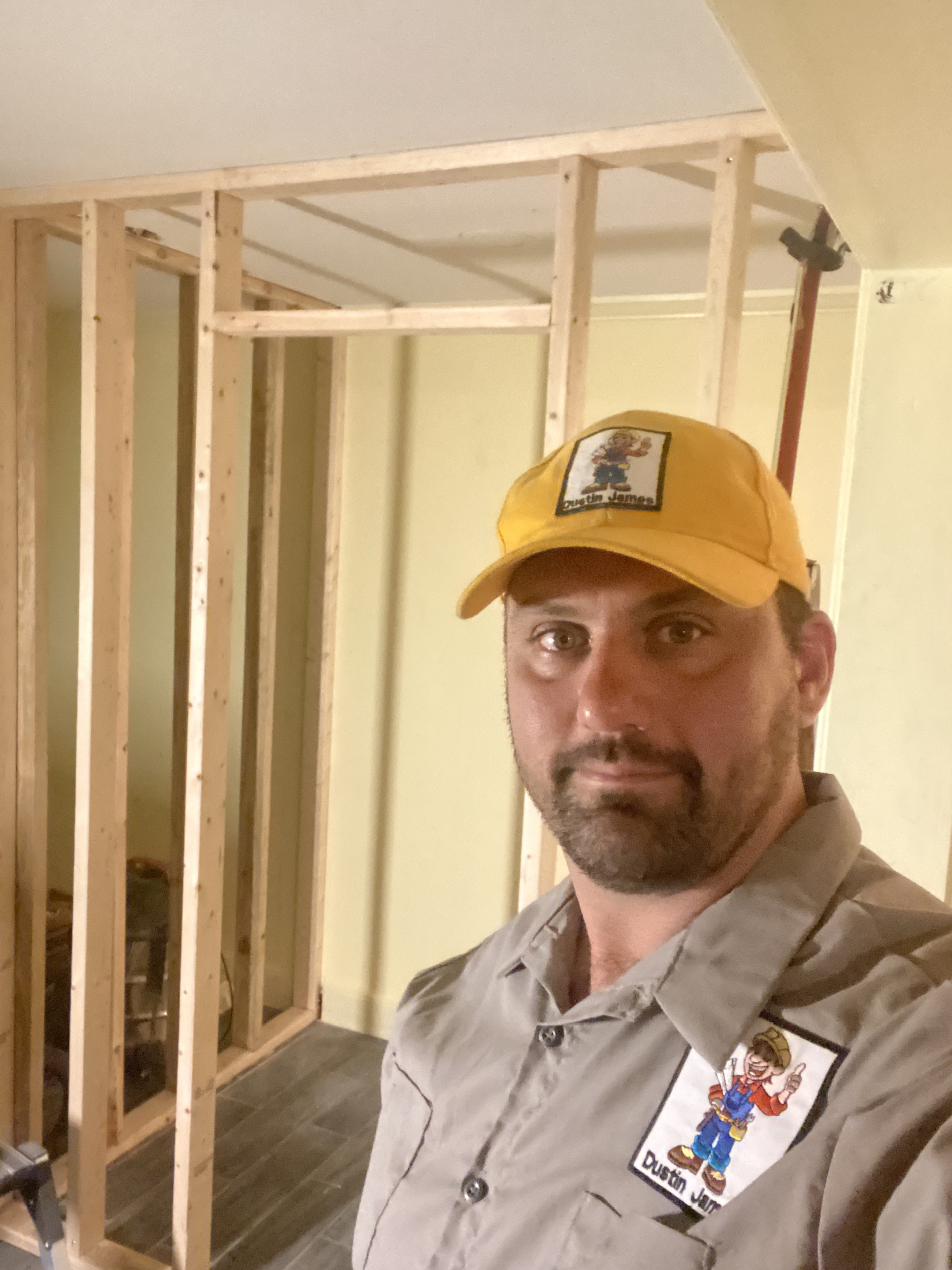
Dustin James Home Repairs
5.0(
35
)
Bath Exhaust Fan - InstallBath Exhaust Fan - Repair

Serving Dover, NC and surrounding areas

Approved

Super Service Award Winner

Credit card accepted

Customers say: True professional

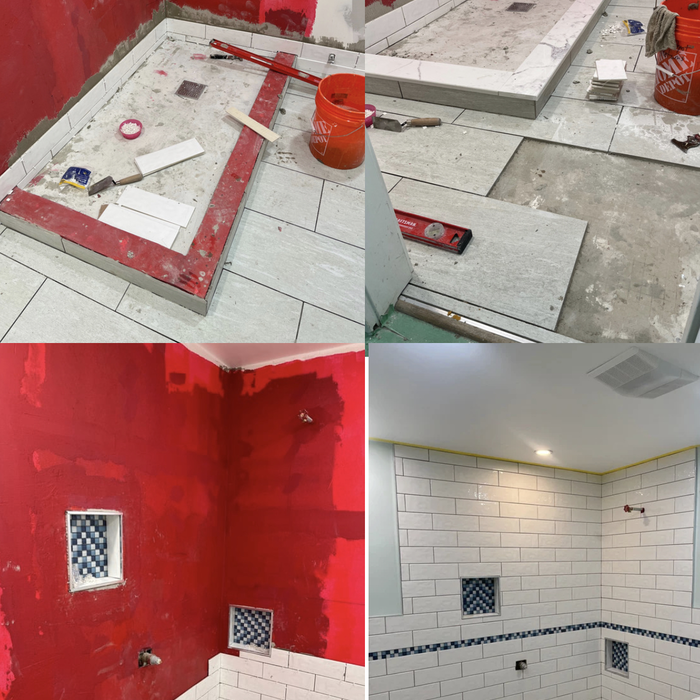
"Dustin and his wife did an amazing job with both our kitchen remodel and bathroom remodel! My wife, me, and our dogs loved having them over! He is very professional, great with communication, punctual, and very well priced! We love our new kitchen and bathroom! We feel well at home!"
Additional Photos
Additional Photos
Additional Photos
Additional Photos
Additional Photos

+14

Response time2 days
1 neighbors recently requested a quote
Recommended by77%of homeowners
Avatar for Perfection Roofing & Home Repairs LLC
Perfection Roofing & Home Repairs LLC
5.0(
12
)
Bath Exhaust Fan - InstallBath Exhaust Fan - Repair

Serving Dover, NC and surrounding areas

In business since 2020

Free estimates

Emergency services offered

We have the experience and dedication to bring your dreams to reality! We guarantee your satisfaction, and we won’t leave until the job is done right. Our team has quality experience in this industry, and we make sure our customers are happy before we leave. Call or click to schedule an estimate today!

Recommended by100%of homeowners

...
Showing 1-10 of 57
Bathroom Fan Installation questions, answered by experts

Fan power is measured by CFM, or cubic feet per minute. For every 1,000 feet of square footage in your attic, you need a minimum of 700 CFM. Steeper roofs may need larger fans or about 840 CFM.  You can figure the size of attic fan you need by multiplying the square footage of your attic floor by 0.7. (multiply by 1.2 for a steep roof and 1.15 for a dark roof). That number is the CFM required for your fan to run efficiently.

Stainless steel or aluminum fans are long-lasting and have less air resistance. They are best for outdoor use as their durability helps them withstand unpleasant weather conditions. Their heavy weight requires a stronger motor, which leads to more noise than other blade materials.

Wooden fan blades are a classic, durable option. They are much quieter than metal fans and feature a wide range of styles and finishes to choose from. However, they can be damaged by moisture if not covered with plastic.

Plastic fan blades are lightweight, easy to clean, and versatile. There are various shapes and styles to choose from as plastic is easily molded and dyed. They will also deteriorate slower than other materials as they aren’t as susceptible to humidity and moisture.

The lifespan of an attic fan depends on the type. Passive fans can last 40 to 50 years, while electric and solar models typically last 10 to 15 years. You can extend the life of your fan with regular maintenance, such as cleaning the fan blades and shutters and checking for moisture. For professional service, you can consult a local attic fan installer or have an HVAC technician clean, oil, and inspect the unit for potential issues.

Most duct booster fans are not designed to run continuously, though some models can be programmed for constant operation. Typically, they are controlled by the user via a switch, controls on the unit itself, or by being wired to the HVAC system's thermostat. Wiring the fan to a thermostat allows it to run automatically only when heating or cooling is active, which saves energy and is an effective way to activate the fan only when needed to address issues like uneven room temperatures.

Identifying the source of noises is your first step to soundproofing a room without overspending. Generally, sound comes from inside or outside of the house. Inside noises include creaking floors, living noises like TVs in the living room, cooking sounds, or kids being kids. External noises generally include incremental weather, disturbing neighbors, and street traffic. Inside noises require you to soundproof floors, ceilings, and doors, whereas outside noises may require you to soundproof your attic, windows, and walls facing the streets.

The Dover, NC homeowners’ guide to bathroom fan installations

From average costs to expert advice, get all the answers you need to get your job done.