Top-rated energy efficiency auditors.

Best energy efficiency auditors near Bethlehem, NC

Enter your zip and get matched with up to 5 pros

Need a pro for your energy efficiency auditing project in Bethlehem, NC?

Select your specific project to find the pro for you.

Top-Rated Energy efficiency auditors in Bethlehem - Updated Nov 2026

Avatar for Holler Home Inspections LLC
Holler Home Inspections LLC
New to Angi
Home Energy Audit

Serving Bethlehem, NC and surrounding areas

Approved

Free estimates

Emergency services offered

Warranties offered

Meet Your Home Inspector - Hi there! I’m Dylan Osborne, North Carolina Licensed and InterNACHI Certified Professional Home Inspector – CPI. I hold a Degree in Applied Science; Architecture & Construction Technologies, and 25 years of experience in land surveying, commercial property maintenance, and general manager for a 10-building, 75-unit condo complex in the US Virgin Islands. After Hurricanes Irma and Maria hit in 2017, I supervised the rebuild of the property tougher, stronger, and better than before – complete with a half-megawatt backup generator.\n\nMy knowledge, training, and experience allow me to bring a get-it-done-right attitude to every home inspection. I look forward to putting that knowledge and experience to work for you! \n828-760-7716

Dylan Osborne CPI
AltruEnergy Building Performance
5.0(
2
)
Home Energy Audit

Serving Bethlehem, NC and surrounding areas

In business since 2006

Free estimates

"Chris Folse knows his stuff! He has been a big help teaching and showing us how to make our home more energy efficient. He speaks to you like a person and helps you truly understand your home's energy shortcomings. He is not just out to make a buck. He becomes honestly vested in making your home a more energy efficient place to live. You can tell from the moment you meet him that he is excited about, and strongly believes in, what he does and that translates into his work. I highly recommend his services to anyone interested in making their home more energy efficient."
Recommended by100%of homeowners
Avatar for AlSage98 Travels
AlSage98 Travels
New to Angi
Energy Audit - For BusinessHome Energy Audit

Serving Bethlehem, NC and surrounding areas

In business since 2022

Free estimates

Credit card accepted

We're a locally owned and operated company that values honesty and integrity and treats your home or business as if it were our own. We are experts in all aspects of roofing projects and our services are customizable to each individual project. We specialize in both installations and replacements. We pride ourselves on the quality of our work as well as our commitment to outstanding results. We look forward to building lasting relationships and guarantee your satisfaction! \n \n

Response time10 mins
Shiloh Energy Projects LLC
New to Angi
Energy Audit - For BusinessHome Energy Audit

Serving Bethlehem, NC and surrounding areas

In business since 2021

Free estimates

Credit card accepted

Were honest, dependable and trying to lead the way for Solar Energy in the Upstate. We are local and are willing to travel. I am excited to work with you on your project. Reliability and quality are our mission. Solar panel installs is our expertise but check out all that we offer. Call for an estimate today!

Response time5 days
Showing 1-10 of 18
Energy Efficiency Auditing FAQs, answered by experts

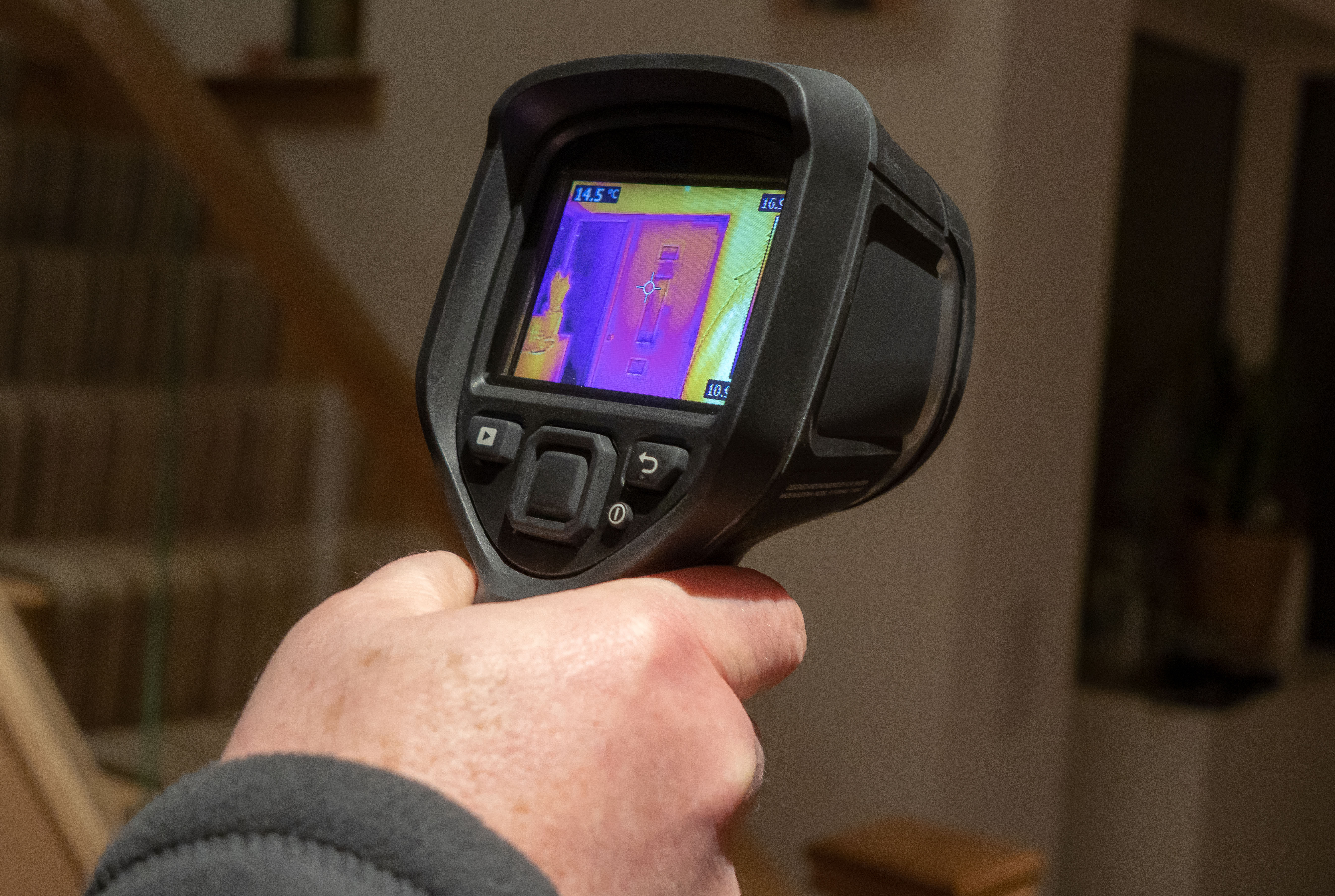
The difference between an energy auditor and a home inspector is primarily in the purpose of the inspection. The energy auditor conducts tests in your home to determine the energy efficiency levels in areas like windows, insulation, and doorways. The auditor then makes recommendations for ways to improve a home’s energy efficiency. 

A home inspector examines various structures of your home to determine that everything is up to code and gauge the condition of features like the roof, foundation, HVAC, and electrical. The home inspector reports on the overall home and makes repair recommendations.

To determine the right size generator for your house, you should calculate the total wattage of the appliances and devices you want to power during an outage. List all essential items, note their start-up wattages, and add them together.

Here are some typical wattage requirements for common appliances:

  • Refrigerator: 600 watts

  • Large dehumidifier: 700 watts

  • Large window air conditioner: 1,400 watts

  • Water heater: 3,000 to 4,500 watts

  • Electric furnace: 5,000 to 25,000 watts

A 7,500-watt generator might be sufficient for essentials like a refrigerator, freezer, well pump, and lighting circuits. However, for high-demand items like a water heater or furnace, a whole-home generator is a better choice. A portable generator may be enough if you only need to power a few critical items.

While home square footage can offer a rough estimate, it is not always a reliable indicator. For reference, here are some typical generator sizes based on square footage:

  • 1,000 sq ft: 6–9 kW

  • 1,500 sq ft: 7–10 kW

  • 2,000 sq ft: 10–14 kW

  • 2,500 sq ft: 12–16 kW

  • 3,000 sq ft: 16–20 kW+

For the most accurate sizing, consult a professional who can calculate your home's peak and average power consumption and recommend the optimal generator.

A whole-house humidifier can positively impact energy consumption by improving heating efficiency. During colder months, humidified air feels warmer, which allows you to lower your thermostat without sacrificing comfort. This adjustment can lead to significant energy savings as your heating system works more efficiently. However, it's important to use the humidifier judiciously, as excessive humidity could potentially strain your cooling system in warmer months.

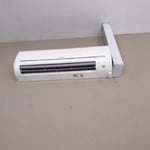
Yes, mini-split or ductless AC systems add value to a home and do not devalue it. They are an attractive feature for potential buyers, especially in older homes without existing ductwork, as they provide a practical air conditioning solution without the significant expense and hassle of installing traditional ducts. Ductless systems also eliminate issues associated with conventional ductwork, such as noise and the potential for pests. Furthermore, homeowners value energy-efficient solutions, and mini-splits offer high efficiency for both heating and cooling, plus zoned temperature control. This leads to lower energy consumption and reduced electric bills, which is a major selling point.

R-value measures an insulation material's thermal resistance, indicating its ability to resist heat transfer. A higher R-value signifies better insulation performance because the material is more effective at slowing heat flow. The R-value depends on the type, thickness, and density of the insulation material, such as fiberglass, foam, or cellulose. Each inch of insulation typically provides an R-value between 3 and 8. There is no single universal R-value; the optimal choice depends on your climate zone. Colder climates require a much higher R-value than warmer ones to maintain energy efficiency, keep the home warm in winter and cool in summer, and manage costs.

The Bethlehem, NC homeowners’ guide to energy efficiency auditing services

From average costs to expert advice, get all the answers you need to get your job done.