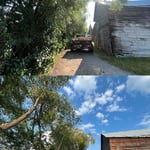
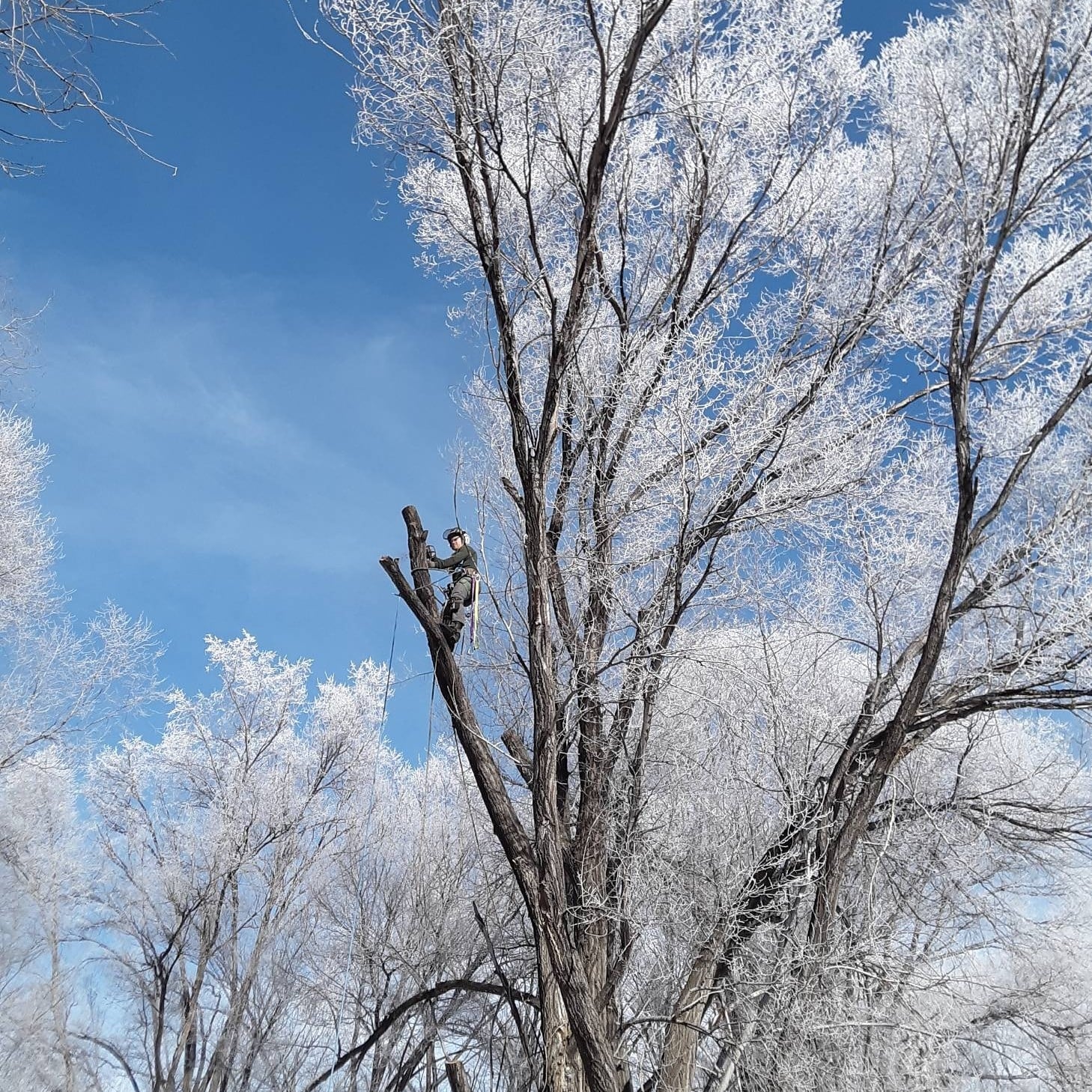
"I haven't had any work done yet. But... after 3 years and multiple calls to the most well know tree services in the area, Betchels was the fist to call back. I made an inquiry on Sunday (fathers day) Ryon called back Monday AM and spent 2 hours on the property on Tuesday, after business hours and at my convenience. He looked at every tree and made recommendations for what I could do myself vs the professional jobs. I was left with a written quote more reasonable than any of the nightmare stories I'd heard from friends and neighbors. We have a large property with multiple trees that have been neglected for years. I was dreading a professional assessment/quote but walked away feeling encouraged and looking forward to future progress. I wouldn't normally write a review on work that hasn't been done but I was so impressed with the service, quoted price and his willingness to accommodate that I felt like I could review the experience so far. I'll write more when the work is completed but I'm confident it will exceed my expectations! Thank you Ryon for taking the time to make an overwhelming situation feel manageable. I look forward to working with you."
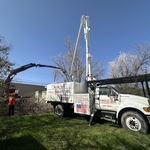
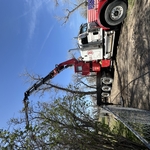
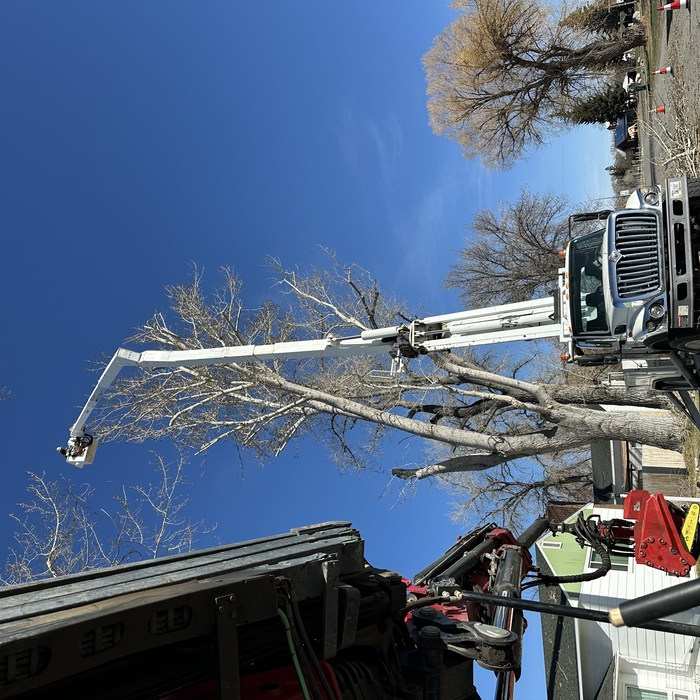
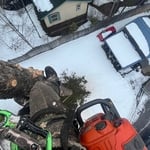
"Dealing with Devin was a very positive experience. He came to give an estimate on tree removal the same day I called him. Two days later, he arrived with his equipment and completed the job. He worked efficiently and cleaned up the job site very nicely. Devin’s fees are more than reasonable! He’s a friendly, congenial young man. I would definitely hire him again!!"
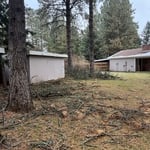
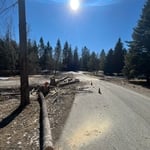
"It was a fantastic job. They listen to everything we instructed them. They were safe. They did a good job in cleaning after they finished. They were on time. They came when they said they would. And I felt their pricing was reasonable for the work."
Ernz Painting is dedicated to providing our customers with the best quality and craftsmanship. We are here to build relationships with our customers and communities. No job is too big or too small! We look forward to working with you!
We take great pride in our experience, expertise, quality, and customer service that we provide to meet the consumer's needs. It is our mission to provide excellent workmanship and complete customer satisfaction from start to completion of a project. In order to understand the needs and expectations of our customers, we take great care to work and communicate with every customer in a professional manner. Our reputation is based on service, safety, and quality, regardless of how large or small the job.\n
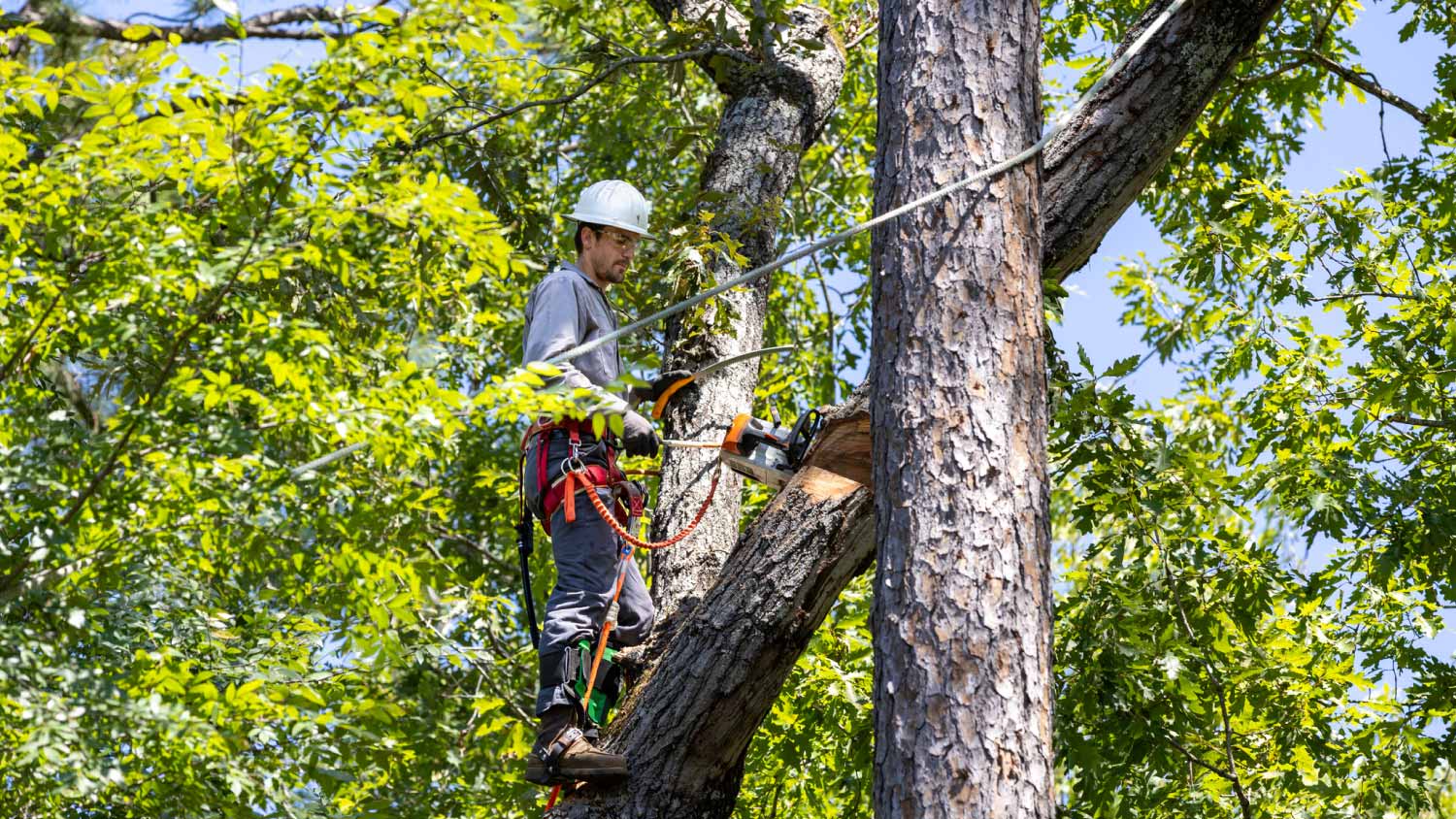
Horticulturist is a broad term for any type of plant and soil expert. An arborist, meanwhile, specializes in all aspects of tree care. You should hire an arborist when you need assistance with tree-related tasks, such as pruning large trees, removing trees, diagnosing a sick tree, or emergency tree services. Horticulturists aren’t qualified to handle those types of tasks.
Trimming a tree can take anywhere from just two hours to a full day, depending on the age of the tree, the number of trees, and the species. Young trees are generally easier to trim, as their branches are often thinner in diameter and easier to reach compared to mature trees. They also tend to be healthier. If you haven’t trimmed your trees before or it’s been a while, the process could take even longer.
Yes, it’s possible to overwater a newly-planted tree. Daily watering is great for the first few weeks, but it’s important not to go overboard. Excessive watering can lead to various problems, including root rot, fungal diseases, and a lack of root development.
DIY is risky and not recommended for large trees; professional services ensure safe removal and proper disposal.
There are two types of arborists: certified and consulting. A certified arborist is licensed and equipped to provide tree pruning, planting, fertilizing, monitoring, transplanting, treatment, and removal services. A consulting arborist specializes in tree appraisals, diagnosing problems and recommending treatments for illnesses. However, they will not provide these services themselves. Most consulting arborists are certified arborists who can refer you to a tree service that can administer the correct treatments.
The Valier, MT homeowners’ guide to arboricultural services
From average costs to expert advice, get all the answers you need to get your job done.
How much does an arborist cost? This guide explains the cost of different services, ongoing expenses, and other factors to consider when hiring an arborist.
Tree inspections can ensure your trees stay healthy and safe, preventing costly damage. Learn how much tree inspections cost and what can affect the price.
Arborists are specialized tree care experts. This guide will help you hire an arborist with all the qualifications to give your trees the best care possible.