





Top-rated arborists.

Best arborists near Twin Bridges, MT

Enter your zip and get matched with up to 5 pros

Need a pro for your arboricultural service project in Twin Bridges, MT?

Select your specific project to find the pro for you.

Top-Rated Arborists in Twin Bridges - Updated Nov 2026

BLK Construction
5.0(
2
)
Tree RemovalTree Stump - Remove

Serving Twin Bridges, MT and surrounding areas

In business since 2005

Free estimates

Credit card accepted

"Recent heavy snow caused havoc, with car stuck in driveway, the driveway itself impassable, way beyond the capability of my little snow thrower. Called BLK; they were nearby and arrived quickly. Plowed a beautiful wide path from the street (first removed the huge snow/ice berm left by the city plow) to the garage, shoveled a path from the garage to the house, unstuck the car, and plowed a path along the whole front property line for foot traffic to use. More than I had expected! Great value. This company is a great resource."
Response time1 hour
Recommended by100%of homeowners

Over The Top Tree Service LLC - 257 Photos - Product/Service - Adams Ave, Butte, MT 59701, United States, Butte, MT 59701
5.0(
3
)
Tree RemovalTree Removal - For BusinessTree Stump - Remove+3 more

Serving Twin Bridges, MT and surrounding areas

In business since 2005

Free estimates

Emergency services offered

"We had a large tree and stump removed. They were very professional and hard working. They did an excellent job with cleanup. We will recommend them highly!"
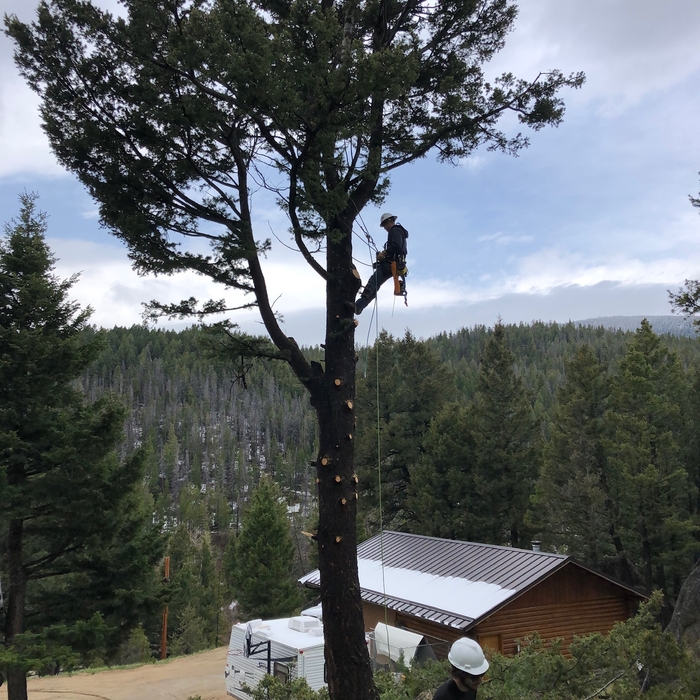
Big wood
Beaver tree
Limb walking
Hang time
Easy day

+7

Response time5 hrs
Response rate100%
Recommended by100%of homeowners
Showing 1-10 of 23
Arborists FAQs, answered by experts

While trees can grow in the curb strip between the sidewalk and the street, this placement often poses the problem of interfering with overhead power lines. It’s best to consult your local utility provider and tree planting service before transplanting a tree that might grow into power lines. Also, you should never work within 20 feet of a live power line to avoid the risk of electric shock. Tree branches should never touch nearby power lines, so it’s essential to ensure your tree isn’t in danger of growing too close to them.

It is possible to cut down a tree on your property yourself, but it is generally not recommended unless specific conditions are met. You should only consider this project if the tree is small (e.g., under 4-5 inches in diameter and short enough that you don't need a ladder to reach the branches), and you are experienced in handling a chainsaw. The tree must also be located far from any power lines, fences, homes, or other structures. Even for small trees, the work can be dangerous, and it's always advisable to have a spotter to ensure the tree falls correctly and no branches fall on you.

For any tree that is large, requires a ladder to access, or is near electrical lines or structures, you should always hire a professional. Attempting to remove a large tree yourself is extremely dangerous, poses a risk of serious injury, and could result in significant damage to your property.

Before any tree removal, it's also important to check your local and state regulations to ensure the tree is not historic or otherwise protected by your city.

Tree roots don’t necessarily break through concrete on their own, but they can certainly take advantage of existing cracks, even very small ones. As roots grow, they expand the cracks, making them larger and leading to serious and costly foundation damage. It’s a good idea to have repairs on any foundation cracks you’re concerned about.

How often and long you should water a tree depends on the species and if it is mature or newly planted. The amount of water is also based on the tree's size. A good rule of thumb is approximately 5 gallons per inch of the trunk's diameter.

Adjusting watering to the recommended suggestions for the tree type and weather conditions is vital. For instance, watering trees during a drought is necessary, and you may need to water more frequently than usual.

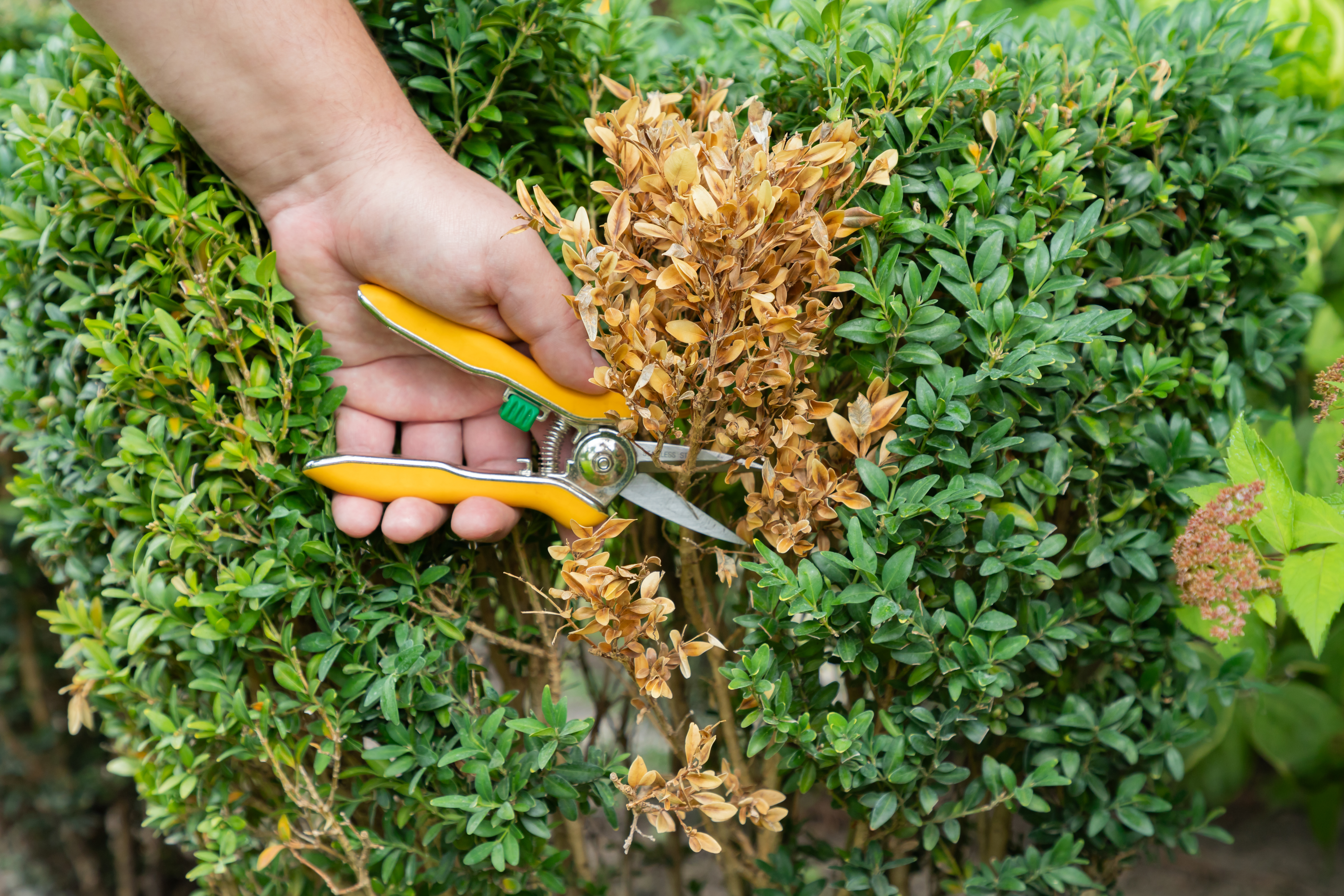
Trees should be pruned every two to five years, depending on its age and type. Young trees should be inspected and pruned every two to three years. Mature trees should be inspected and trimmed every three to five years, and fruit trees should be pruned annually with a careful eye on seasonal growth. Evergreens typically don’t need pruning, unless branches or limbs are damaged, diseased, or harboring pests.

The Twin Bridges, MT homeowners’ guide to arboricultural services

From average costs to expert advice, get all the answers you need to get your job done.