"Fixed shower but stated Toilet not on work order but suggested remedy. To keep in mind: If you need more than one thing done, Be sure to specify on initial work order as they will only do what is on work order from AHS"
If you dream it, we can build it. What's the biggest difference between us and them? We build to last! We offer a full line of Green and Energy Star Certified products, backed by our labor and manufacturer's lifetime transferable warranties. Credit Cards Welcome Financing Available OAC.
It is okay to use a drain auger on a toilet, just make sure you are using the correct tip size. The auger is a plumbing snake with a protective sleeve to protect the porcelain toilet bowl from getting scratched. Using too large of an auger can cause the snake to loop back and damage the inside of the drain and plumbing.
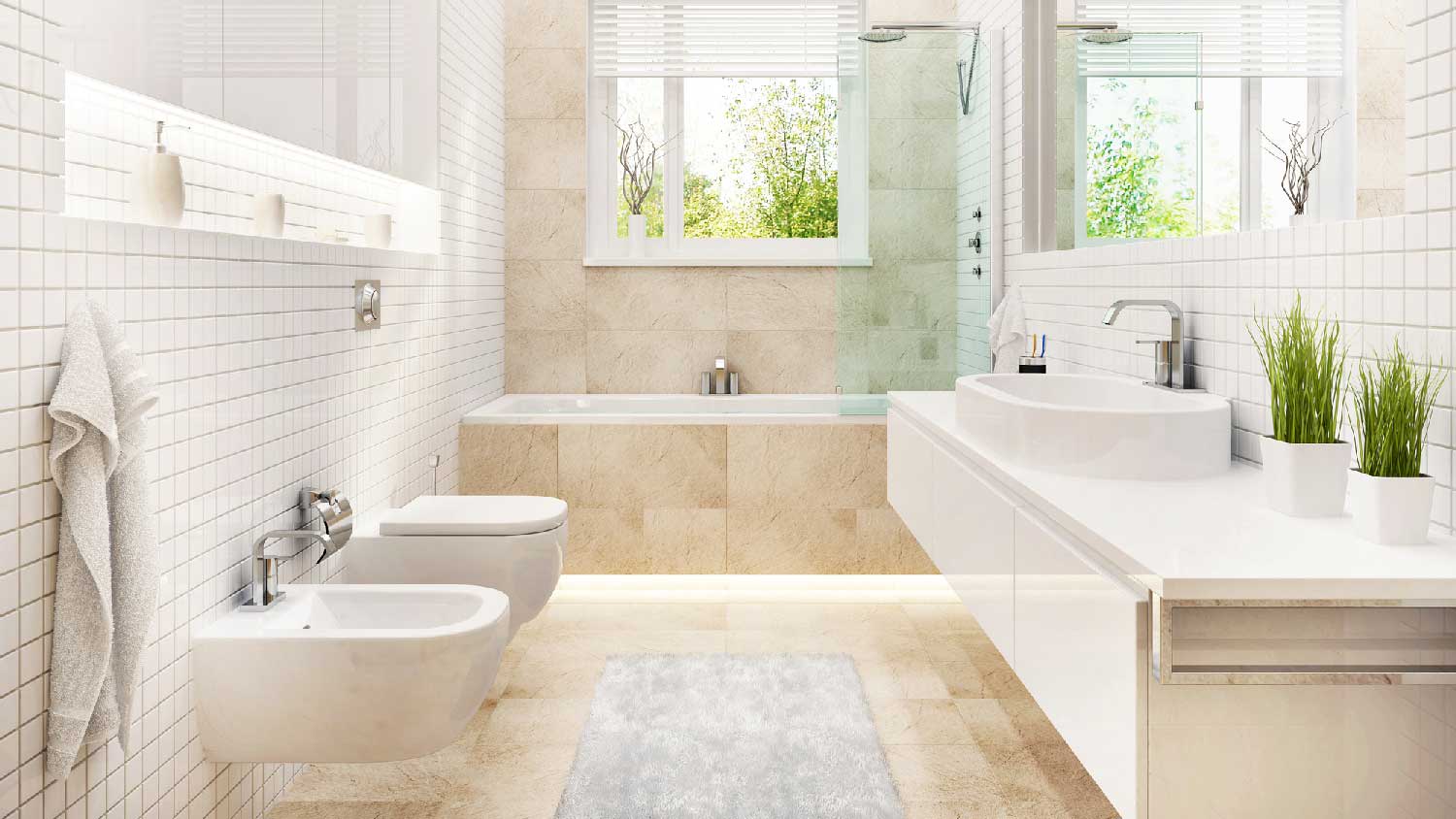
Even though they’re modern-looking, easier to clean, can be hung at any height, and help save space compared to traditional toilets, wall-hung toilets have some downsides. They’re more expensive than standard toilets, sometimes by a few hundred dollars. They’re also difficult to install and may require major plumbing work to reroute the drain if the previous toilet was a floor-mount model.
This tight fit can make repairs more difficult. You’ll also have to consider where you can hang them and weight limit restrictions, so they may not be the best fit for every home.
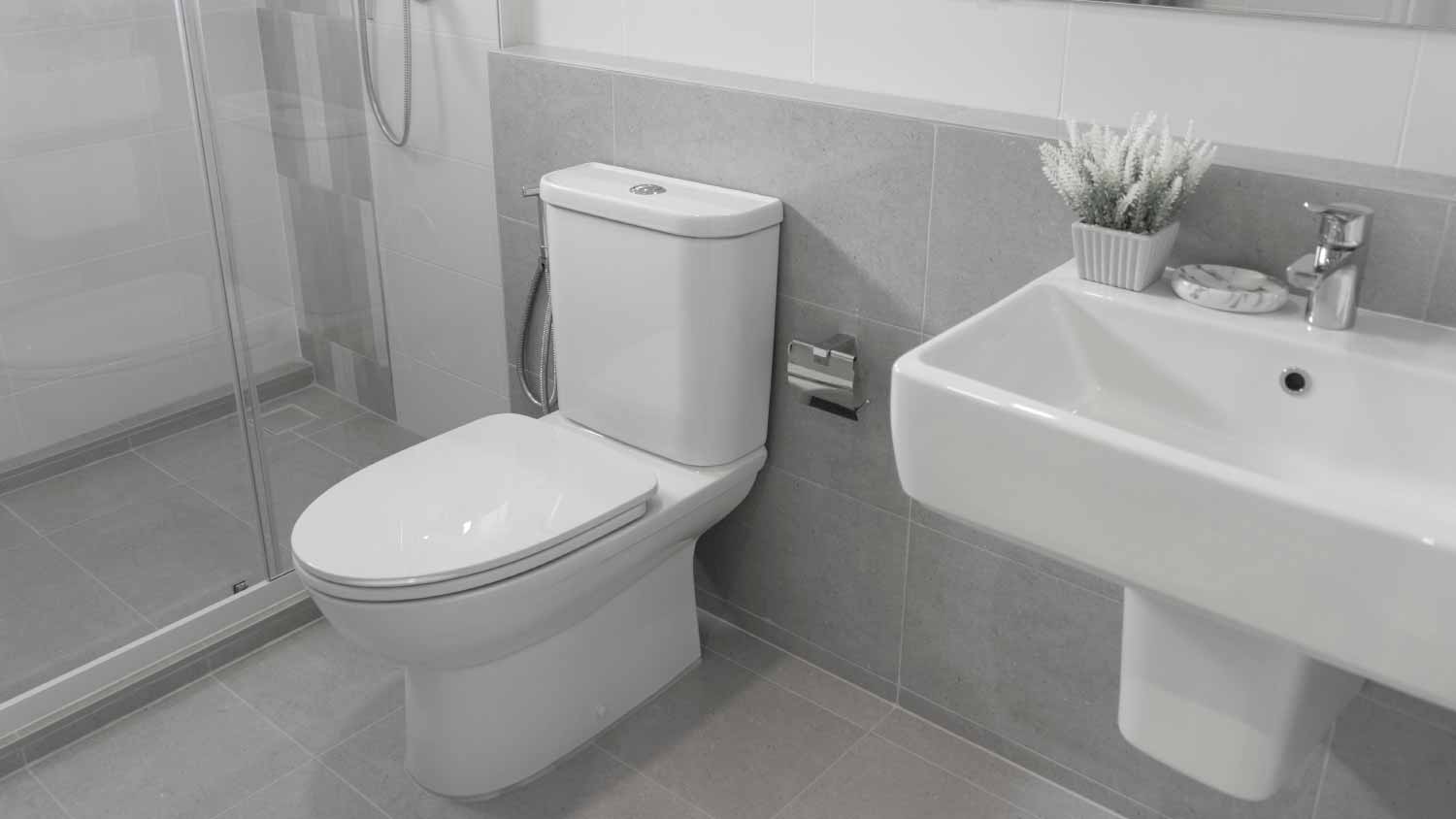
You should choose the type of toilet that meets your budget, fits properly in your space, and matches the rest of your decor. If you’ve never gone toilet shopping before, you might be surprised at how many options are available. Most homeowners choose a two-piece toilet, which is the industry standard, and a gravity flush system is the most common. However, dual-flush and low-flush toilets are becoming more prevalent as more people become conscious of water consumption.
Start by gutting the old fixtures and features that need to be removed, such as the tile, vanity, and flooring. You may benefit by removing the toilet, even if you intend to use the same one. Next, install the new shower or tub, followed by the flooring, and then the drywall, which you should then paint. After that, install your new cabinets, vanity, countertop, sink, and faucet, in that order. Replace your light fixture next. Lastly, reconnect the toilet.
Yes, many services include removing and disposing of old toilets. Confirm with your provider.
The Terry, MT homeowners’ guide to toilet services
From average costs to expert advice, get all the answers you need to get your job done.
Everyone can relate to having toilet issues—we’ve all been there. There are several reasons why your toilet might need repairs, and the cost varies based on the damage.
Worried about water leaking around your toilet? You may have a faulty toilet flange. Learn more about the cost to replace a toilet flange in our guide.
Before purchasing and installing a new toilet, you need to know the toilet rough-in measurement to ensure proper integration. Here’s how to get it done.
Leaky toilet tank sounds driving you crazy? It might be your toilet flapper. Here’s how to choose the right size toilet flapper to save water and money.
Toilets are a mainstay of American bathrooms, but is it time for a bidet? Before you decide, here’s everything you need to know about bidets versus toilets.