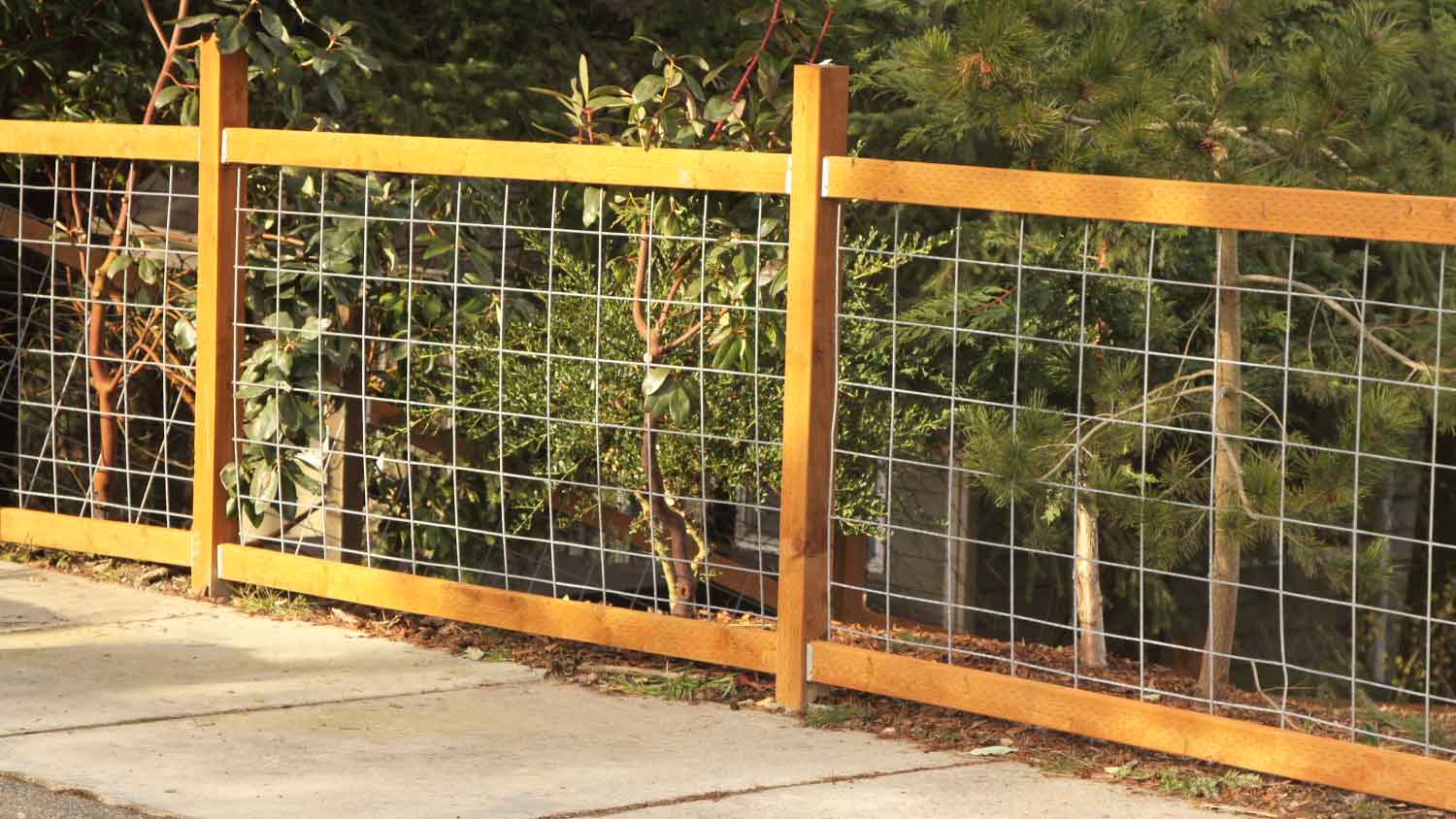
"Paradise Fencing took out the old chicken-wire fence and put up the new fence exceptionally fast. Instantly I received many compliments from how good the new chain link looked. It's been a few years and I haven't had any problems whatsoever with it holding up."
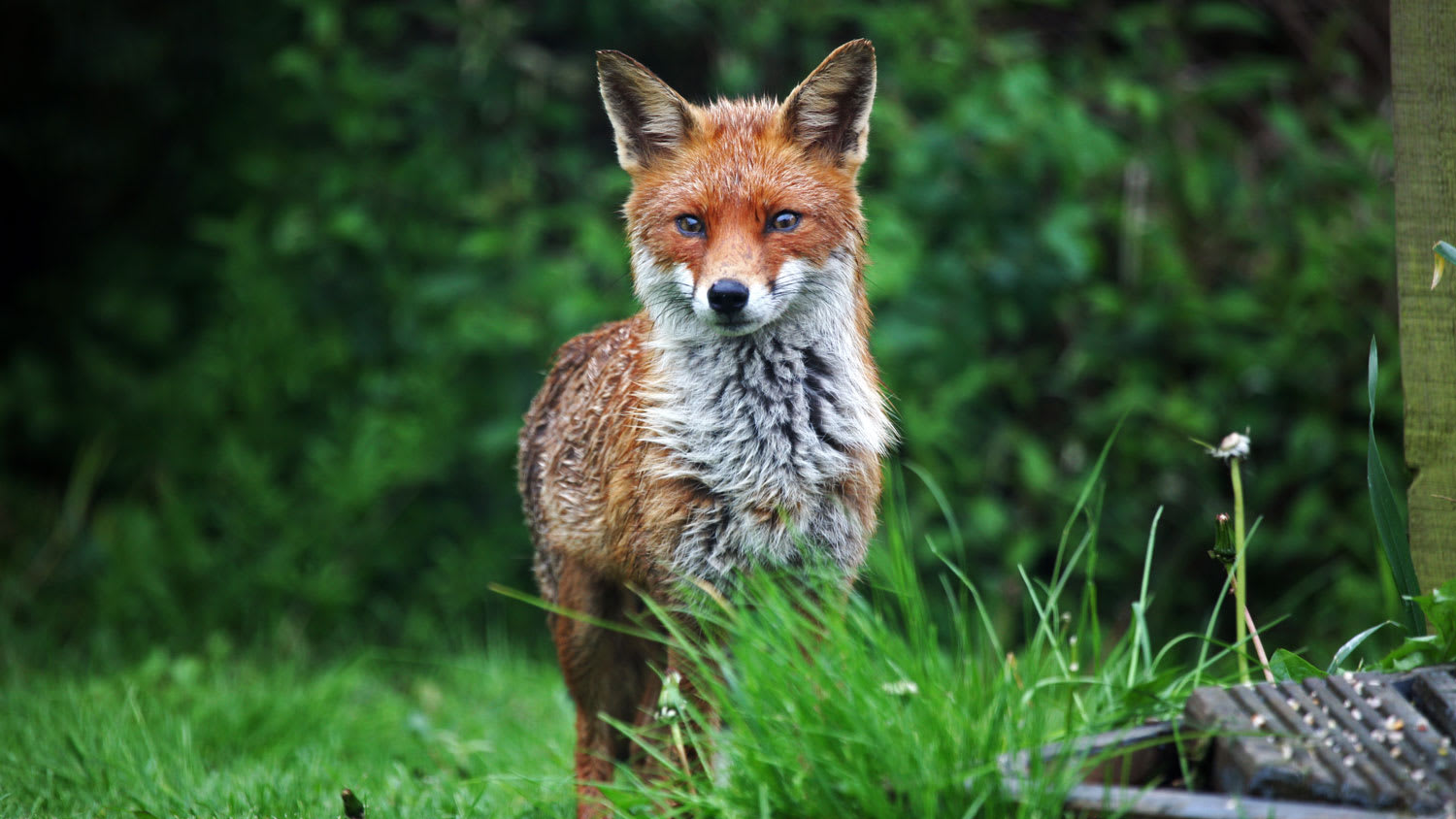
Foxes can catch rabies. However, it is rare, and even rarer for them to pass this disease on to humans. If you do see a fox in your vicinity acting strangely, disorientated, having seizures, or randomly trying to bite, contact your local animal control, police, or Department of Environmental Control. And if you are scratched or bitten by an animal you suspect has rabies, seek medical treatment immediately.
Don’t count on squirrels leaving on their own. Squirrels like the safety that a cozy attic provides and won’t be in a hurry to leave, especially if they’ve recently given birth to a litter. It’s best to address the situation with DIY removal tactics or hire a squirrel removal pro as soon as you suspect squirrels are living in your attic.
Yes, badgers are aggressive mammals, which is why it’s important to safely remove them from your home or garden area as soon as possible. Keep in mind though, badgers rarely attack pets or people, but their sharp claws and even sharper teeth can make them dangerous if they feel threatened.
To keep animals out, you must prevent them from entering. As long as they can get in, the problem will persist. That said, consider making your attic less inviting using deterrents like motion-activated lights or ultrasonic devices. Additionally, keeping a well-maintained, clean, and uncluttered attic that you regularly inspect for activity may make the space less attractive to critters.
If the snakes in your yard are non-venomous species (like common Rat or Garter snakes), why not consider the live-and-let-live approach? Some benefits of not getting rid of snakes include:
They’re great at controlling disease-spreading rodent populations, including rats, mice, voles, and moles.
Some non-venomous species (like the common kingsnake) eat venomous species like rattlesnakes and copperheads.
Species like the garter snake keep down populations of garden pests like slugs and grasshoppers.
The Ledger, MT homeowners’ guide to animal fencing services
From average costs to expert advice, get all the answers you need to get your job done.
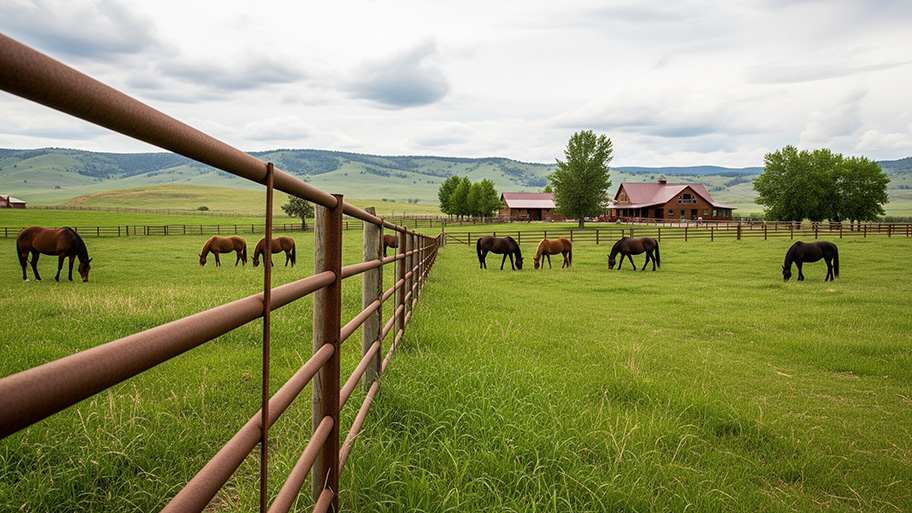
Pipe fencing is an extremely strong, durable option for containing horses and other livestock. This guide breaks down the factors that affect pipe fence cost.