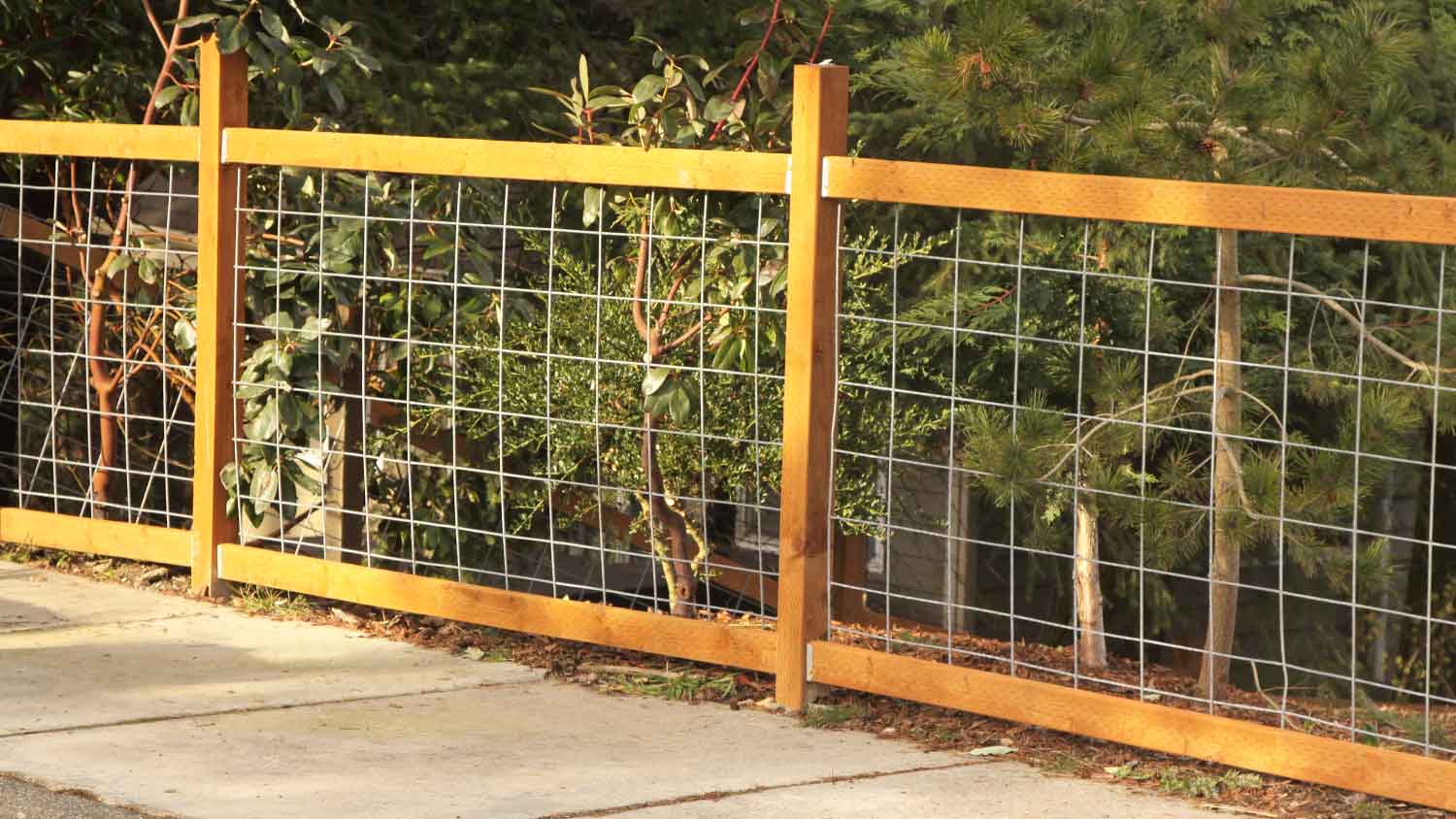
"Paradise Fencing took out the old chicken-wire fence and put up the new fence exceptionally fast. Instantly I received many compliments from how good the new chain link looked. It's been a few years and I haven't had any problems whatsoever with it holding up."
Identifying the specific animal running on your roof at night can be challenging without direct observation. Common nocturnal roof visitors include raccoons, squirrels, opossums, and rats. Raccoons are bigger and can create heavy thumping sounds. Squirrels are agile and may produce rapid scurrying noises. Opossums tend to move stealthily with less noise. Rats can make scratching or gnawing sounds. To determine the culprit, look for signs like footprints, droppings, or damaged areas near the roof. For accurate identification, consult a pest control professional or set up wildlife cameras near potential entry points.
Moles live underground and feed on insects. They dig and move through tunnels, usually in meadows or forests but sometimes in lawns and gardens. They are about 6 inches long with large claws, tiny eyes, and hidden ears.
Shrews do not dig their own tunnels but will use other animals’ tunnels, and are about 3 to 4 inches long. They look similar to mice and feed on insects.
Voles are similar in size to moles but have large eyes and small but visible ears. Rather than eating insects, voles are herbivores that prefer seeds, grasses, and plant roots.
American badgers sleep in the burrows they dig, which can be extensive, featuring multiple chambers and tunnels. Badgers prefer to excavate their dens in open grasslands, prairies, and fields where the soil is easy to dig. They are solitary animals and usually have several burrows within their territory to use as needed. These underground homes provide them with a safe and secure place to rest during the day and to raise their young.
Even if you have extreme ophidiophobia (fear of snakes), don’t try to shoot or kill them with a shovel. Besides being pretty cruel, killing snakes in most states is illegal unless your life is at risk and many species are protected.
Plus, you're putting yourself at greater risk using these techniques if it goes wrong and the now-angry snake is venomous.
You might be tempted to call your local municipality to remove animals from your property, such as a groundhog burrowing in your yard or raccoons getting into your trash cans. However, they typically only remove domestic animals like dogs and cats from properties, or sick and injured wildlife that pose a public safety risk or health threat, such as a rabid animal. They typically do not capture or remove healthy wildlife.
Animal removal professionals have the tools, knowledge, and skills to trap and remove wild animals adequately and humanely. They also can relocate them correctly.
The Big Sandy, MT homeowners’ guide to animal fencing services
From average costs to expert advice, get all the answers you need to get your job done.
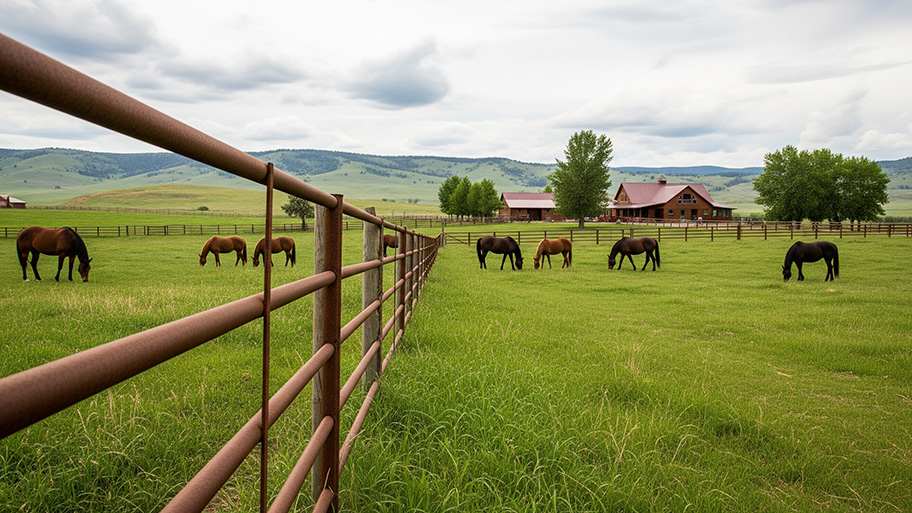
Pipe fencing is an extremely strong, durable option for containing horses and other livestock. This guide breaks down the factors that affect pipe fence cost.