"Paradise Fencing took out the old chicken-wire fence and put up the new fence exceptionally fast. Instantly I received many compliments from how good the new chain link looked. It's been a few years and I haven't had any problems whatsoever with it holding up."
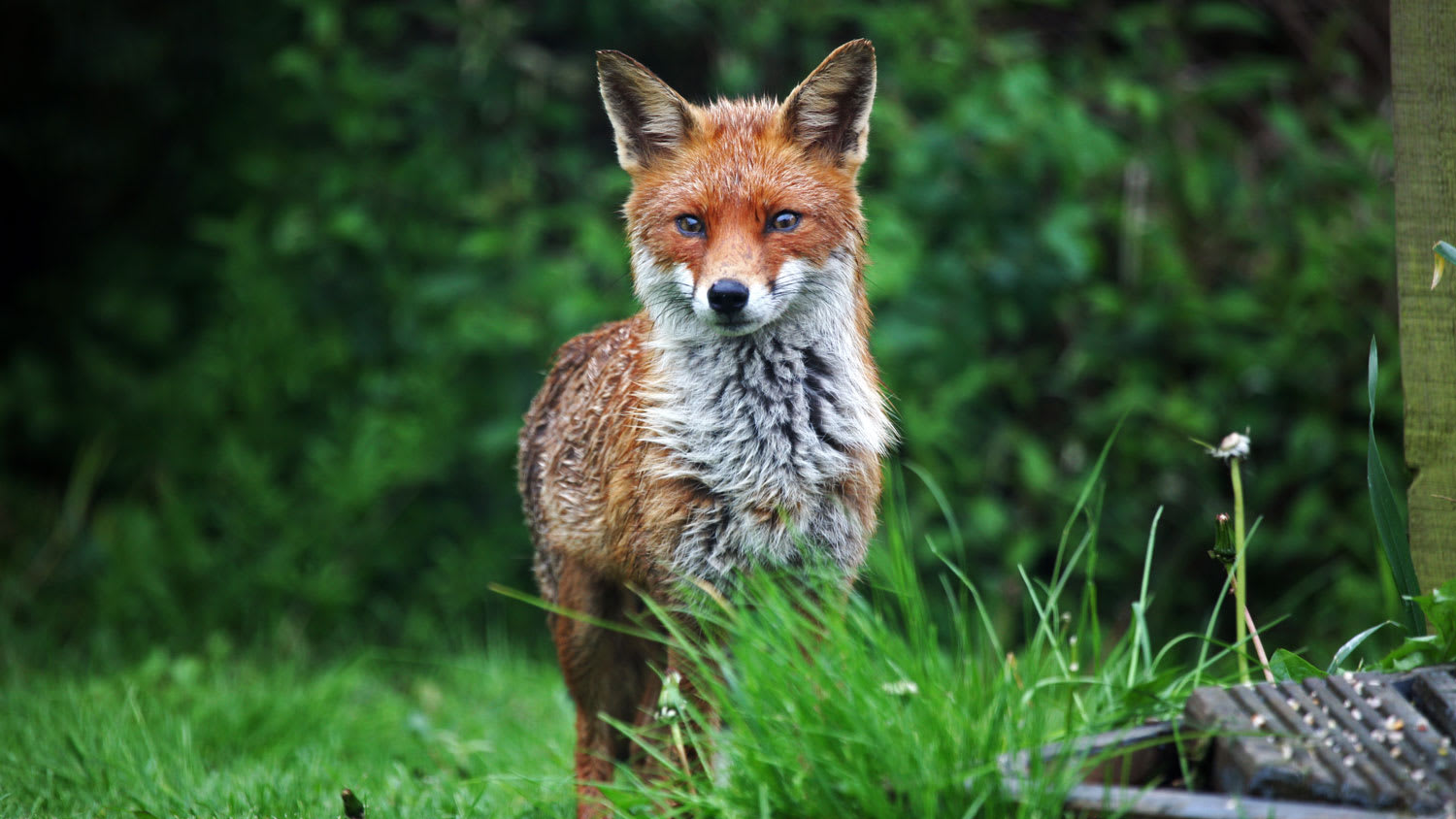
Foxes can catch rabies. However, it is rare, and even rarer for them to pass this disease on to humans. If you do see a fox in your vicinity acting strangely, disorientated, having seizures, or randomly trying to bite, contact your local animal control, police, or Department of Environmental Control. And if you are scratched or bitten by an animal you suspect has rabies, seek medical treatment immediately.
You can often spot a venomous snake by looking for a few key physical characteristics. Venomous snakes typically have bulbous triangular-shaped heads due to their venomous sacks, whereas regular snake heads are more rounded and narrow. A venomous snake will also have narrow slits for pupils, while non-venomous snakes have more rounded pupils. It’s a good idea to familiarize yourself with the venomous snakes that are native to your area, but if you find a snake in your toilet, it’s best to keep a safe distance and call a professional for proper identification and removal.
Groundhogs love to eat a variety of plant matter. This includes beans, peas, sunflowers, tender greens such as leafy vegetables, clover, dandelion, and alfalfa, and sweet fruits such as apples and berries. Groundhogs eat up to a pound and a half of plant matter each day, so household gardens often become their prime target.
Bobcats do attack domesticated animals, like small dogs and cats. Your pets are especially at risk if they’re below 30 pounds. The best way to protect your pets is to keep them safely indoors at night when bobcats are more likely to be roaming or being outside with your pets so they’re not unaccompanied.
Scent deterrents like ammonia, vinegar, mothballs, and pepper can help keep coyotes away, but these are best used in tandem with other preventative measures. Remember that ammonia and vinegar can kill your plants and/or grass, so it’s best to soak rags in these substances or spray them on hardscaped areas to avoid damaging your landscape.
The Valier, MT homeowners’ guide to animal fencing services
From average costs to expert advice, get all the answers you need to get your job done.
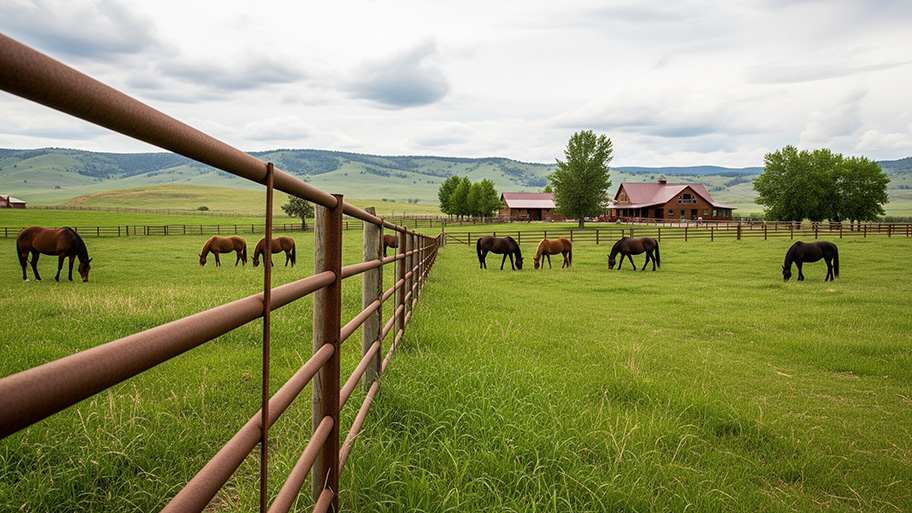
Pipe fencing is an extremely strong, durable option for containing horses and other livestock. This guide breaks down the factors that affect pipe fence cost.