"Paradise Fencing took out the old chicken-wire fence and put up the new fence exceptionally fast. Instantly I received many compliments from how good the new chain link looked. It's been a few years and I haven't had any problems whatsoever with it holding up."
The primary attractant for moles is food. With a powerful sense of smell, they seek out grubs, earthworms, ants, and other insects in the soil. Other factors can also draw them in, such as moist, loose soil which makes tunneling easier, so an overwatered lawn can be an invitation. Additionally, male moles may enter your yard to expand their territory or find a mate, and if a neighbor has a mole problem, it's possible for them to tunnel over to your property.
Flea control stops infestation spread, protecting pets' health by preventing skin allergies and other flea-induced conditions.
Small animals, particularly rats and mice, like to burrow inside pool heaters. To keep them out, seal any entry points with caulk or steel wool. Then, place mothballs inside or around your pool heater. As a final measure of protection, you can cover the pool heater in hardware cloth or wood paneling to further block entry points.
Squirrels tend to forage, traveling along roof and fence lines. To trap a squirrel, placing a baited trap on the roof near the point of entry is the best option. If you can see them going in and out or recognize the damage they might be causing to the exterior of your home, you can also try placing traps near those locations.
Homemade raccoon repellents can be a cost-effective and humane method for keeping raccoons off your property. Raccoons despise the smell of vinegar, so keeping a bowl of it near your home can keep them away. Some wildlife companies advise using cayenne pepper or hot sauce sprinkled near your deck or porch as another homemade option.
The Conrad, MT homeowners’ guide to animal fencing services
From average costs to expert advice, get all the answers you need to get your job done.
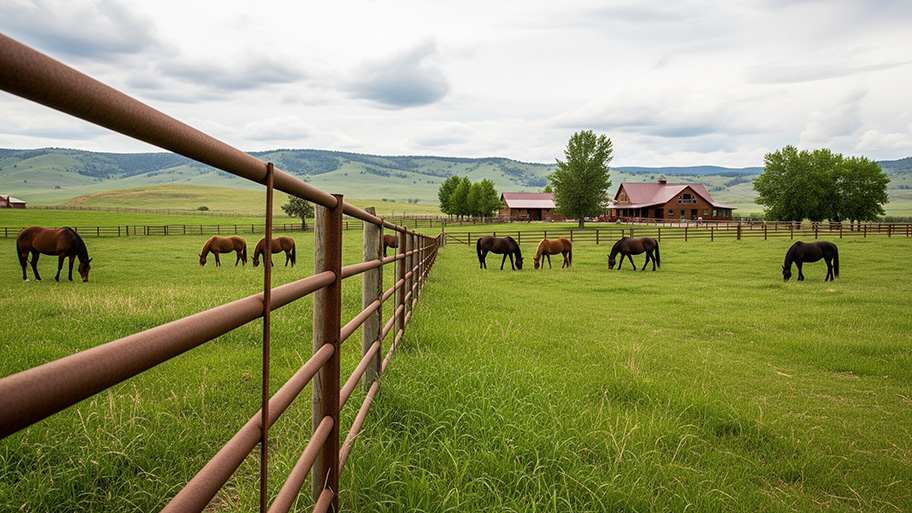
Pipe fencing is an extremely strong, durable option for containing horses and other livestock. This guide breaks down the factors that affect pipe fence cost.