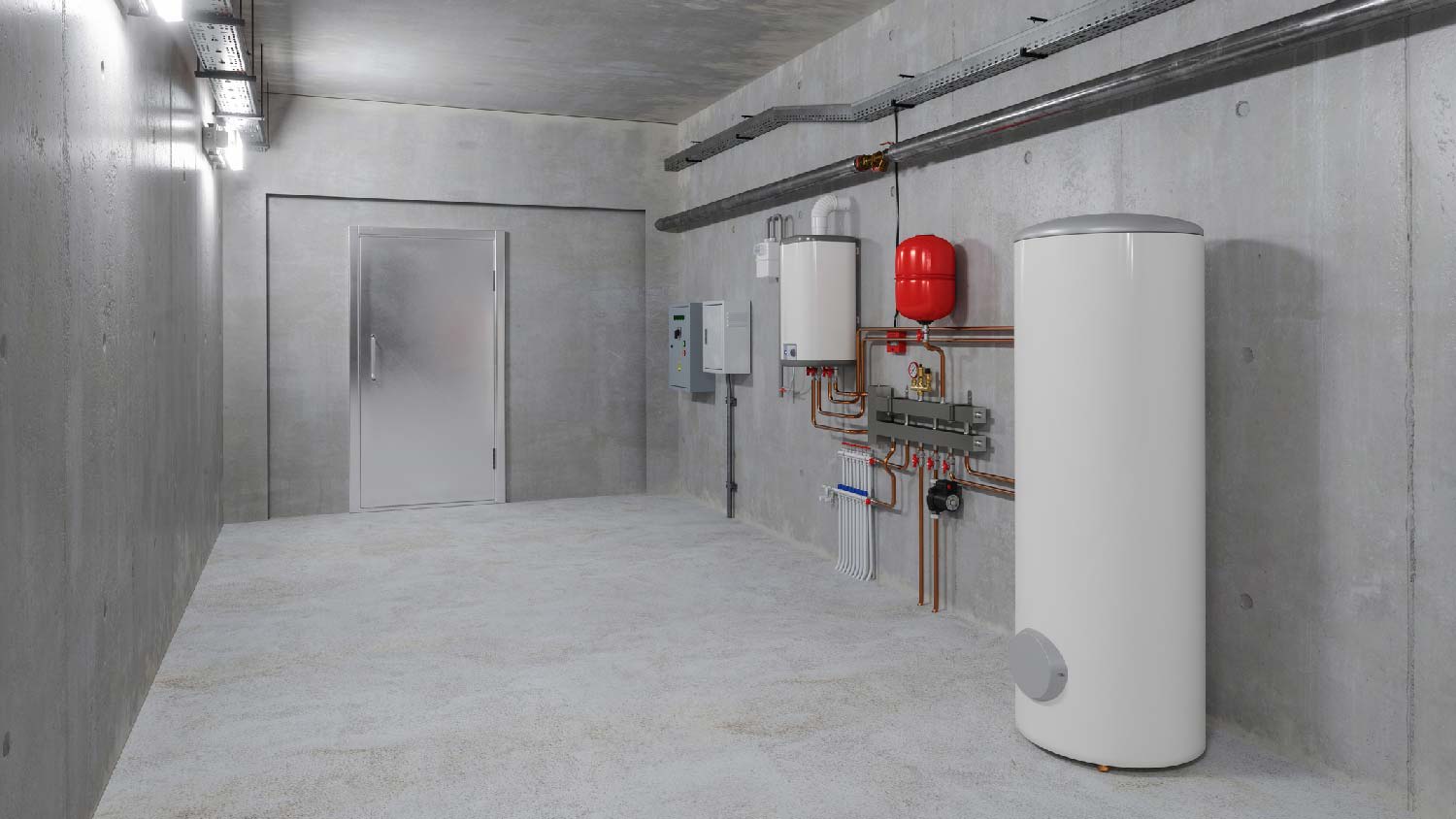
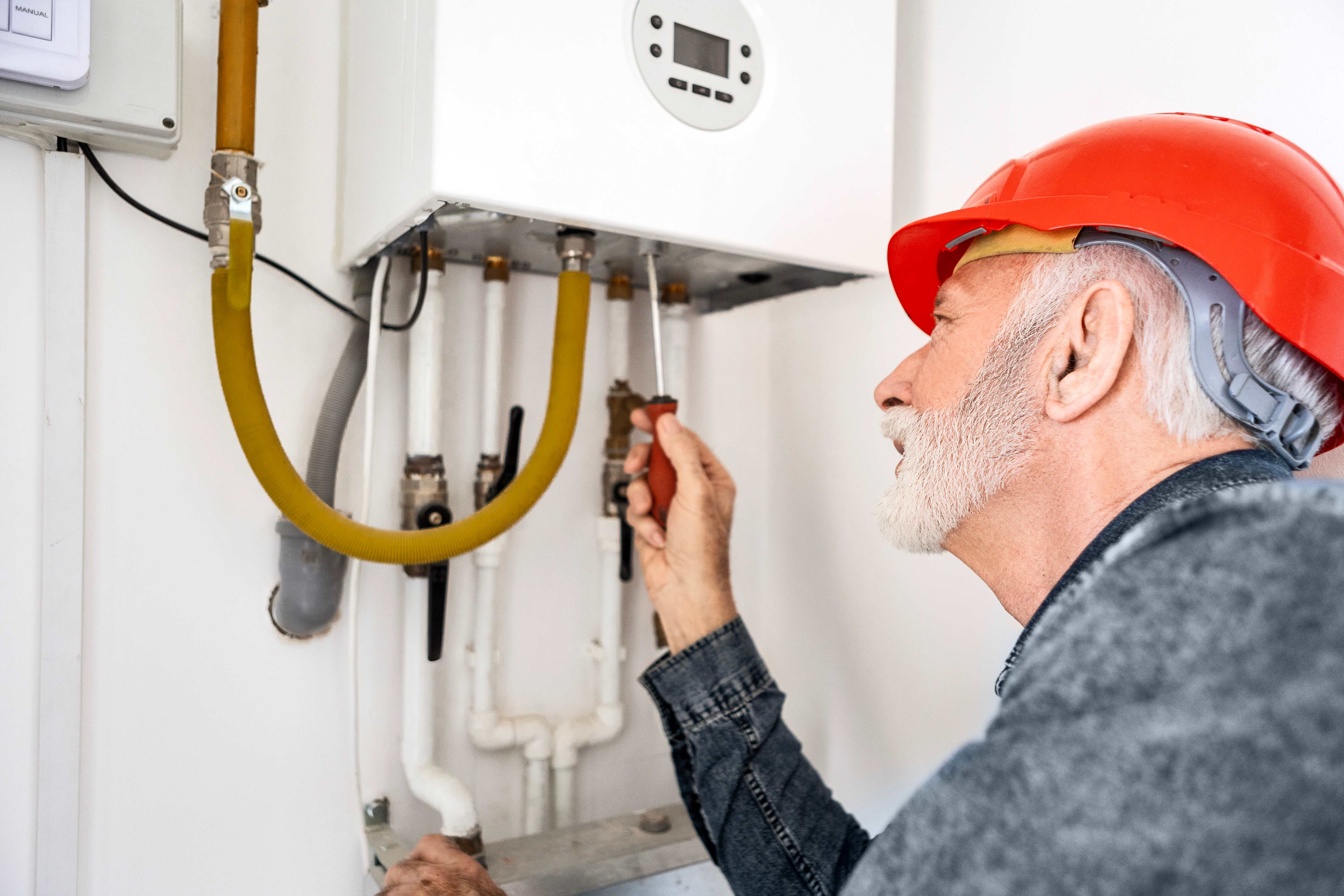
"He was able to quickly diagnose that the water leak from the water heater was a result of a ruptured tank, resulting in the need to replace the entire water heater."
"Service guy came as scheduled. Sent his "service" requirements to home base Home base calls back and lists, a very long list of what needs to be done and a very long list of what is not covered and what each item costs. The overall cost was outrageous and they weren't willing to give it to me in writing. Everything I had to pay for was overpriced, of course! They told me my other option would be to purchase my own water heater and they would reimburse me for what there water heater would cost, but no reimbursement for Labor, building permit, or any upgrades required by the local building department. The requirements of the building department were minimal. I went to Home Depot and had them do the installation and saved many hundreds of dollars. Lesson learned, have AHS do simpler repairs that don't require municipal building department approval. Have AHS pay for the equipment, and purchase installation from a trusted local installer."
Planetary Systems has been designing and installing renewable energy systems since 1994, and has over 1600 operational systems from .5kw to 22kw, worldwide. We have always been and remain committed to tested and reliable, yet cutting edge technologies to advance local power generation capabilities. We firmly believe all electrical power should be locally generated and using as much energy as practically feasible from wind, solar, hydro-electric and other renewable sources.
\n Planetary Systems offers our own battery technology, integrated power solutions, and the best available products available in the world marketplace.
\n
\nOur offerings are based on value-added products, not bargain basement prices, and include complete testing, design and integration of systems plus expert technical assistance.
We believe setting the correct expectations. Being a 'nuts and bolts' company we don't maintain a store front. We would rather pass the financial savings on to you, giving our undivided attention.
\n
If you dream it, we can build it. What's the biggest difference between us and them? We build to last! We offer a full line of Green and Energy Star Certified products, backed by our labor and manufacturer's lifetime transferable warranties. Credit Cards Welcome Financing Available OAC.
Unless you have previous plumbing experience or extensive experience with water heaters, you should avoid replacing your electric water heater yourself. This process involves disconnecting wiring and parts from the old water heater and reinstalling them onto the new one, among other difficult tasks. This job is best left to the pros to make sure that everything is connected correctly to avoid serious leaks or malfunctions.
You have more options for water heaters than ever before. The best one for your home depends on your hot water usage and budget. Some of the more common types of water heaters are the conventional gas heater, a heat pump water heater, or a tankless heater for smaller homes or those with less water demands. Some uncommon types are solar and point-of-use systems. Some homes may have a combination of two units, such as a large heat pump heater and a backup point-of-use system.
The average cost to replace a water heater is around $1,325, with a typical range of $900 to $1,800 for a standard replacement. The final price depends on the type of heater (tank vs. tankless), its size, fuel source (gas or electric), and the complexity of the installation. A simple one-to-one replacement will be on the lower end of the cost spectrum. However, if you are switching from one type of heater or energy source to another, you can expect labor costs to be significantly higher due to the extra work involved. It's also worth considering that while gas and electric heaters may have similar upfront costs, their long-term operating costs can differ based on local utility prices.
A well-maintained hot water recirculating pump can last 5 to 15 years. Pumps that run continuously may have a shorter lifespan than demand-controlled models. Hard water can reduce longevity by causing mineral buildup in the pump and pipes. Regular maintenance, such as cleaning or replacing filters, can extend the pump’s lifespan.
Traditional gas or electric water heaters last an average of six to 11 years. However, with excellent maintenance, they can last up to 15 years. Heat pump water heaters, on the other hand, last an average of between 12 and 15 years and potentially longer with proper maintenance. In both cases, your home's water quality can be a determining factor regarding the lifespan of your water heater.
The Frazer, MT homeowners’ guide to water heater services
From average costs to expert advice, get all the answers you need to get your job done.
Looking to replace or upgrade your water heater? Use this water heater replacement cost guide to see what the work will cost and what factors affect your total.
Wondering how much a water heater expansion tank costs? Use this cost guide to get an accurate estimate and learn how to choose the right one for your home.
Who can install a water heater for you? Look to hire a water heater installation pro or a licensed plumber for this job because of the challenges involved.
The average lifespan of water heaters is 6 to 15 years for conventional models and up to 20 for tankless ones, but it can be less if they are not properly maintained.