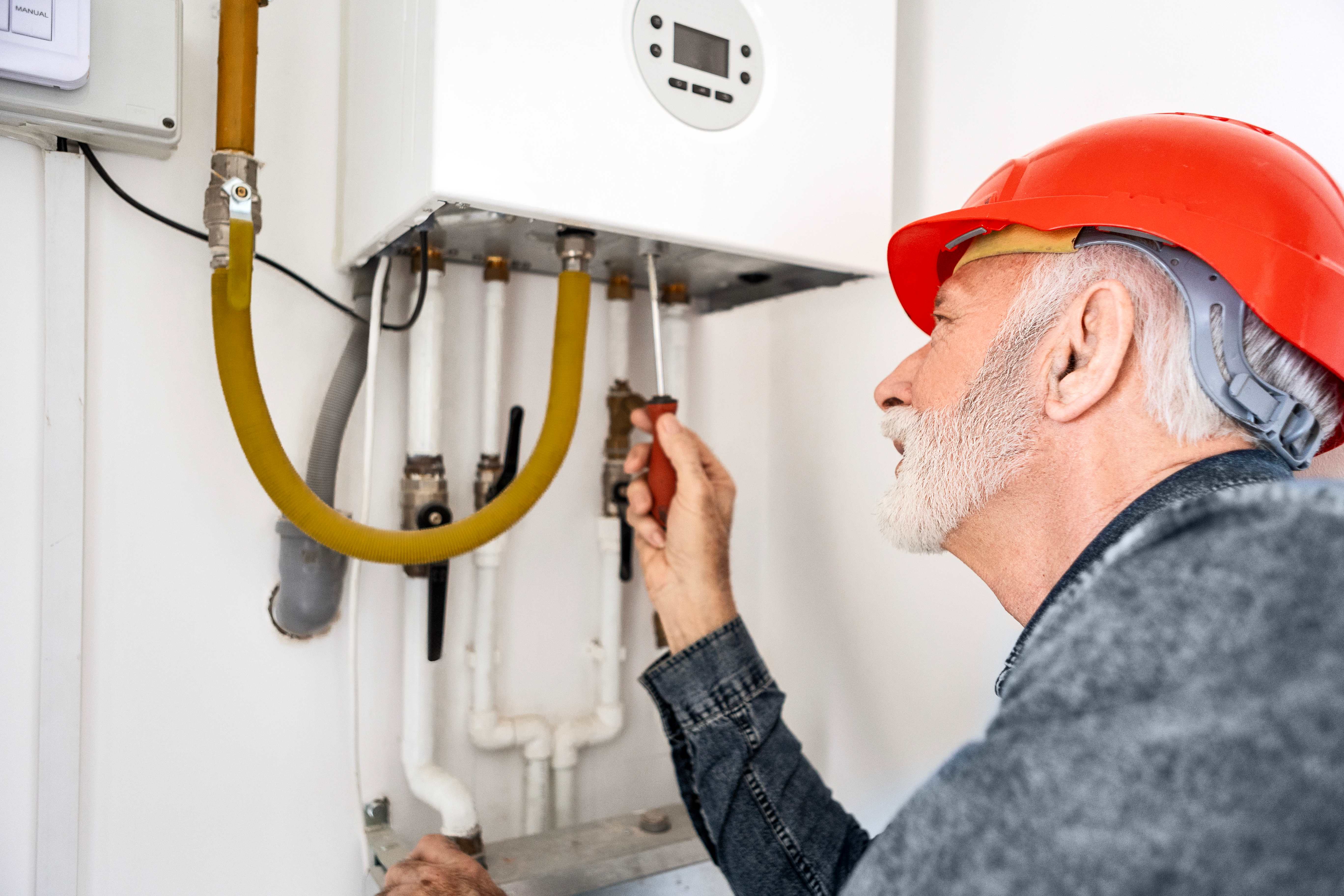
"He was able to quickly diagnose that the water leak from the water heater was a result of a ruptured tank, resulting in the need to replace the entire water heater."
"We pay yearly but we have this is included with our rental property. They are pretty good on most things. We had a hot water heater replaced and they did an excellent job on that. They are very quick on their response. They dont come out here. It is all done on the internet. I just like the idea that one time service charge is so much better than trying to hiring someone to come in. It is more about convenience. It pays for itself."
Planetary Systems has been designing and installing renewable energy systems since 1994, and has over 1600 operational systems from .5kw to 22kw, worldwide. We have always been and remain committed to tested and reliable, yet cutting edge technologies to advance local power generation capabilities. We firmly believe all electrical power should be locally generated and using as much energy as practically feasible from wind, solar, hydro-electric and other renewable sources.
\n Planetary Systems offers our own battery technology, integrated power solutions, and the best available products available in the world marketplace.
\n
\nOur offerings are based on value-added products, not bargain basement prices, and include complete testing, design and integration of systems plus expert technical assistance.
We believe setting the correct expectations. Being a 'nuts and bolts' company we don't maintain a store front. We would rather pass the financial savings on to you, giving our undivided attention.
\n
We take great pride in our experience, expertise, quality, and customer service that we provide to meet the consumers' needs. It is our mission to provide excellent workmanship, and complete customer satisfaction from start to completion of a project. In order to understand the needs, and expectations of our customers, we take great care to work, and communicate with every customer in a professional manner. Our reputation is based on service, safety, and quality, regardless of how large or small the job.
If you dream it, we can build it. What's the biggest difference between us and them? We build to last! We offer a full line of Green and Energy Star Certified products, backed by our labor and manufacturer's lifetime transferable warranties. Credit Cards Welcome Financing Available OAC.
Tankless water heaters heat water as it passes through the unit instead of storing heated water in the tank. Their ability to produce hot water on an as-needed basis makes them more efficient. However, they are generally more expensive than traditional units. Is a tankless water heater worth it? Most homeowners will save money with a tankless unit in the long run by using less energy.
Most standard residential water heaters, which are typically around 40 gallons and use 240 volts and between 3,500 and 5,500 watts, require a 30-amp, two-pole circuit breaker. For smaller, point-of-use water heaters using 120 volts and between 1,500 and 3,000 watts, a 30-amp breaker is also often adequate. However, some models may have different needs; units that use more watts than average may require a 40-amp breaker, while smaller units might only need a 20-amp breaker. Newer, tankless, or more energy-efficient models can also require a higher amperage. Having the correct breaker size is crucial for safe and efficient operation, so it's best to consult a licensed electrician to determine the specific needs of your water heater.
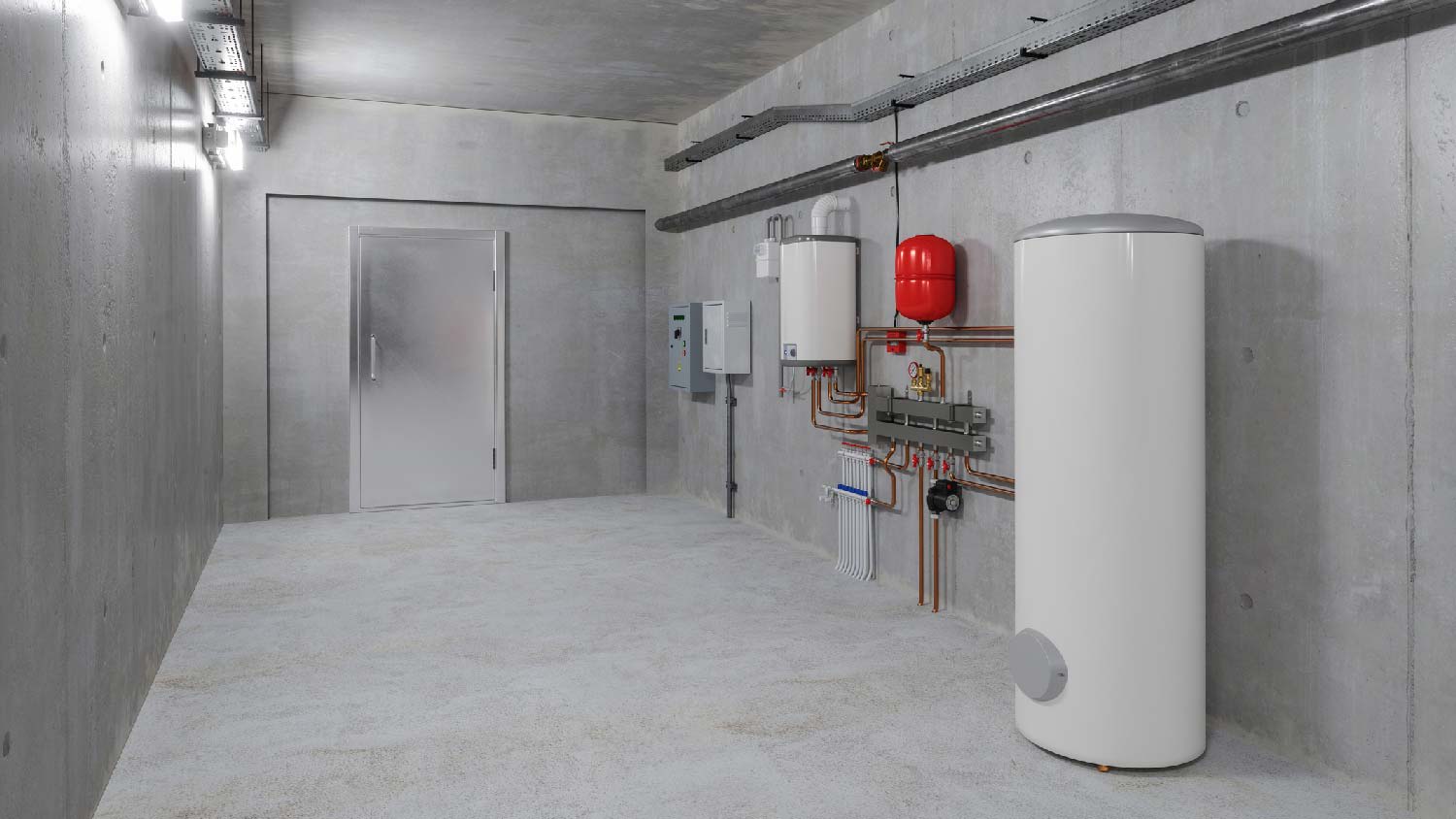
It’s important to find the type of water heater that fits your needs and budget. Depending on the type of water heater, size, brand, and the type of energy you use to heat the water, costs range from a few hundred dollars to several thousand.
Some of the most common types of water heaters include:
Electric: $600–3,500
Gas: $700–$2,700
Propane: $700–$2,500
High efficiency: $1,500–$3,000
Indirect: $1,200–$3,500
Hybrid heat pump: $1,200–$3,500
No. Expansion tanks must be installed on the supply side (where heated water flows out) of the boiler. There’s also a list of other requirements for most boilers, including being above the pressure relief valves, being on the inner side of any circulator, and more. Your installation manual should have more information on expansion tank installation requirements and what sort of tank the system is made for.
The standard copper wire gauge to use with any 30-amp circuit is a 10-gauge wire. The National Electric Code specifies a 10-gauge wire with appliances like water heaters running on 30 amps. If you try to use a smaller gauge wire, such as a 12 gauge, with a 30-amp breaker, you run the risk of the wire overheating and melting or causing a fire. Because of the safety hazards, the gauge of the wire is not an area to try to cut costs when connecting a 30-amp breaker to a water heater.
The Savage, MT homeowners’ guide to water heater services
From average costs to expert advice, get all the answers you need to get your job done.
Looking to replace or upgrade your water heater? Use this water heater replacement cost guide to see what the work will cost and what factors affect your total.
A water heater flush costs $160 on average but can vary based on the unit size, type, labor, location, and more. Keep reading to learn how much you could pay.
Who can install a water heater for you? Look to hire a water heater installation pro or a licensed plumber for this job because of the challenges involved.
The average lifespan of water heaters is 6 to 15 years for conventional models and up to 20 for tankless ones, but it can be less if they are not properly maintained.