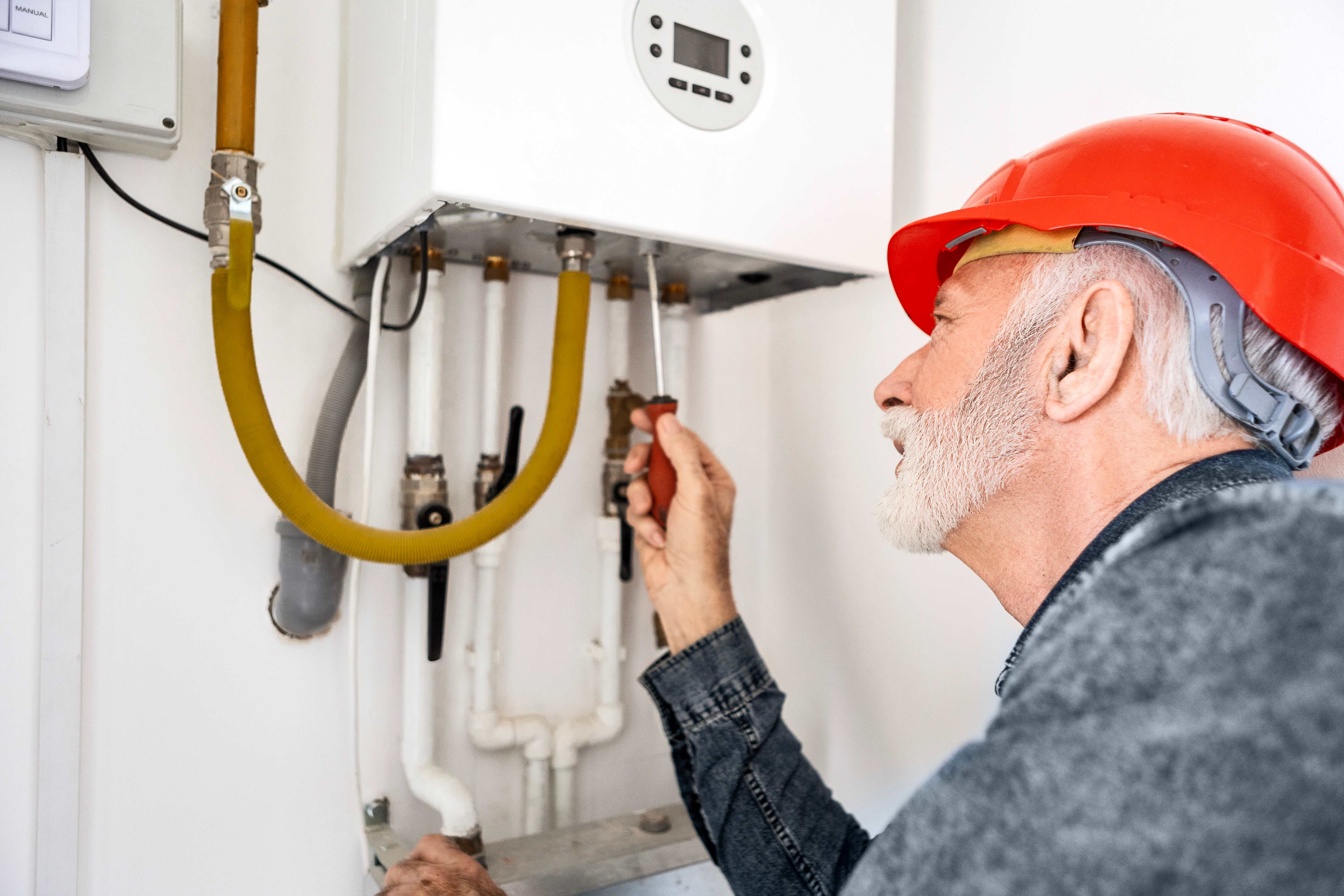
"He was able to quickly diagnose that the water leak from the water heater was a result of a ruptured tank, resulting in the need to replace the entire water heater."
"We pay yearly but we have this is included with our rental property. They are pretty good on most things. We had a hot water heater replaced and they did an excellent job on that. They are very quick on their response. They dont come out here. It is all done on the internet. I just like the idea that one time service charge is so much better than trying to hiring someone to come in. It is more about convenience. It pays for itself."
Planetary Systems has been designing and installing renewable energy systems since 1994, and has over 1600 operational systems from .5kw to 22kw, worldwide. We have always been and remain committed to tested and reliable, yet cutting edge technologies to advance local power generation capabilities. We firmly believe all electrical power should be locally generated and using as much energy as practically feasible from wind, solar, hydro-electric and other renewable sources. \n Planetary Systems offers our own battery technology, integrated power solutions, and the best available products available in the world marketplace.\n\nOur offerings are based on value-added products, not bargain basement prices, and include complete testing, design and integration of systems plus expert technical assistance.
We believe setting the correct expectations. Being a 'nuts and bolts' company we don't maintain a store front. We would rather pass the financial savings on to you, giving our undivided attention.\n
If you dream it, we can build it. What's the biggest difference between us and them? We build to last! We offer a full line of Green and Energy Star Certified products, backed by our labor and manufacturer's lifetime transferable warranties. Credit Cards Welcome Financing Available OAC.
Gas water heaters last between eight and 12 years on average. You can help them reach their maximum lifespan with regular cleanings, maintenance, and professional checkups, though don’t hesitate to swing for a full replacement if the total cost of repairs is greater than that of purchasing and installing a new unit.
It takes between one and three hours to replace a hot water heater element, depending on whether you hire a pro or do the work yourself. For example, a professional plumber with all the necessary tools and experience can often finish the job in one to two hours, whereas DIY will take two to three hours because it'll involve more preparation and troubleshooting.
Going from a tank to a tankless water heater is one of the most effective ways to lower your utility bills. The switch also frees up more space and ensures a consistent hot water supply, as the water is heated on an as-needed basis. It costs between $5,400 and $7,400 to install a new tankless water heater. Most installation companies will also help dispose of your old water tank.
If your gas water heater is over 20 years old, it should be replaced. Gas water heaters can last up to 12 years and while they can exceed this expectancy if well-maintained, a heater that's 20 years old would require replacement. The heater is unlikely to run as efficiently as a new model and could be more expensive to do so.
Electric water heaters do not need an attached vent, but the location of the water heater should allow for roughly 12 inches of clearance around it. This allows cool air to flow around the appliance and allows repair technicians to work on its components safely. The exact amount of clearance space required depends on your local building codes.
The Circle, MT homeowners’ guide to water heater services
From average costs to expert advice, get all the answers you need to get your job done.
Looking to replace or upgrade your water heater? Use this water heater replacement cost guide to see what the work will cost and what factors affect your total.
A water heater flush costs $160 on average but can vary based on the unit size, type, labor, location, and more. Keep reading to learn how much you could pay.
Find out the average tankless water heater repair cost, what impacts pricing, and how to save. Get expert tips to plan your repair budget with confidence.
Who can install a water heater for you? Look to hire a water heater installation pro or a licensed plumber for this job because of the challenges involved.
The average lifespan of water heaters is 6 to 15 years for conventional models and up to 20 for tankless ones, but it can be less if they are not properly maintained.