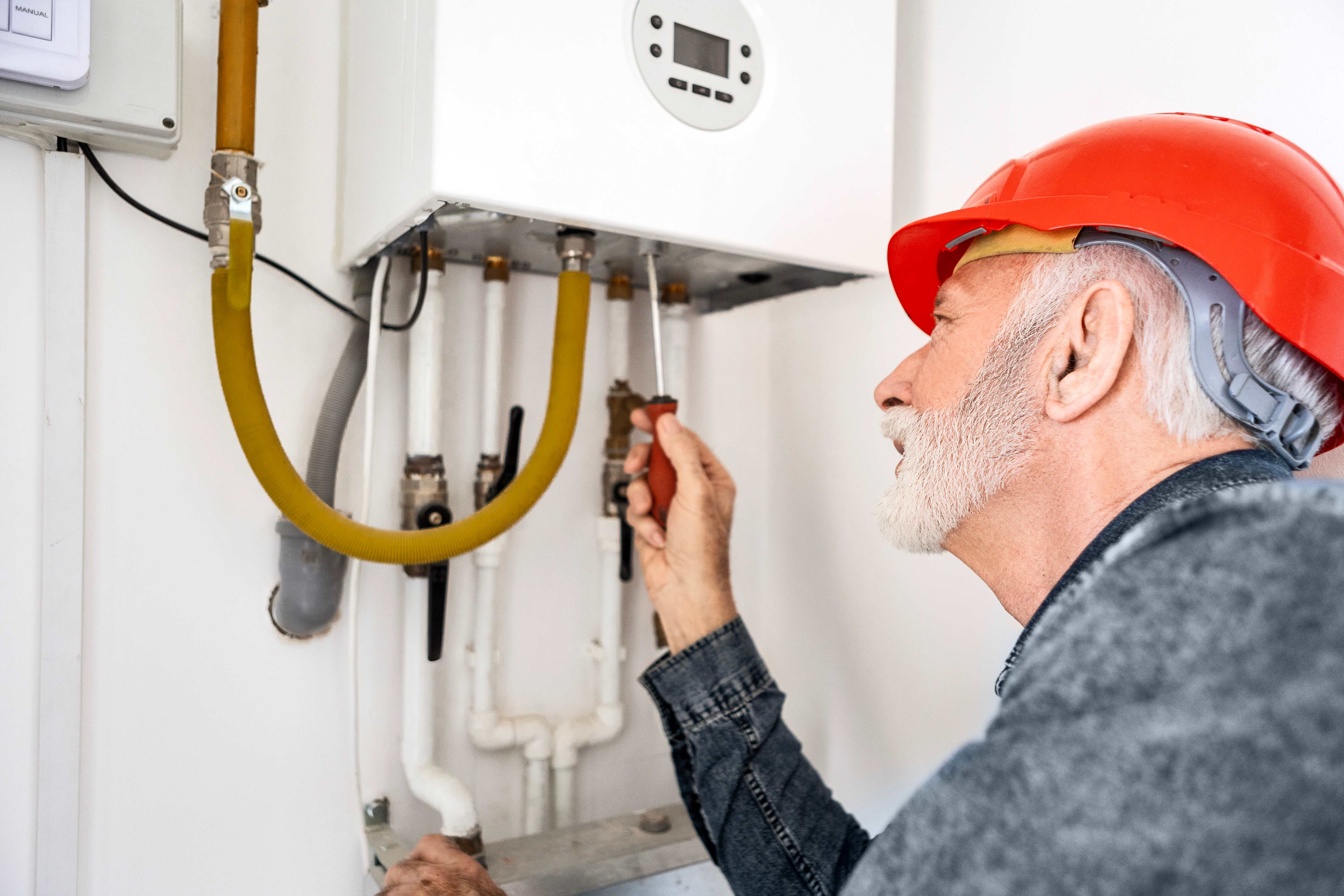
"He was able to quickly diagnose that the water leak from the water heater was a result of a ruptured tank, resulting in the need to replace the entire water heater."
"The yearly service works out to be $50 a month. We've had two water heaters replaced through them because of a fault in them. They're usually very responsive. I like that I can request the service online. The only thing is, I wish that there was a better avenue for emergency services. If something doesn't work right away usually it takes a couple of days to get someone out and sometimes you can't wait two days without water."
Planetary Systems has been designing and installing renewable energy systems since 1994, and has over 1600 operational systems from .5kw to 22kw, worldwide. We have always been and remain committed to tested and reliable, yet cutting edge technologies to advance local power generation capabilities. We firmly believe all electrical power should be locally generated and using as much energy as practically feasible from wind, solar, hydro-electric and other renewable sources. \n Planetary Systems offers our own battery technology, integrated power solutions, and the best available products available in the world marketplace.\n\nOur offerings are based on value-added products, not bargain basement prices, and include complete testing, design and integration of systems plus expert technical assistance.
We believe setting the correct expectations. Being a 'nuts and bolts' company we don't maintain a store front. We would rather pass the financial savings on to you, giving our undivided attention.\n
We take great pride in our experience, expertise, quality, and customer service that we provide to meet the consumers' needs. It is our mission to provide excellent workmanship, and complete customer satisfaction from start to completion of a project. In order to understand the needs, and expectations of our customers, we take great care to work, and communicate with every customer in a professional manner. Our reputation is based on service, safety, and quality, regardless of how large or small the job.
If you dream it, we can build it. What's the biggest difference between us and them? We build to last! We offer a full line of Green and Energy Star Certified products, backed by our labor and manufacturer's lifetime transferable warranties. Credit Cards Welcome Financing Available OAC.
A thermocouple is a pretty simple device. It simply tells the control valve if heat is present. Most water heaters can use a universal thermocouple, provided it's the correct length. Getting one that's long enough for your appliance is crucial for success. However, some water heater models require model-specific thermocouples, which is why it's essential to take your existing one to the store to find the right match.
Unless they are connected to the same system, boilers and water heaters will both need their own expansion tanks. The only case they wouldn’t have separate expansion tanks is if the boiler is pulling double duty and managing a heating system while also supplying hot water for a home. In which case, you may not need a hot water heater.
While not all homes require a hot water heater expansion tank, they are necessary in most newer homes and are often mandated by local building codes. Codes typically require an expansion tank if your plumbing system is a 'closed-loop' system, which often includes a backflow preventer or pressure regulator on the main water line. Some municipalities have specific requirements. Installing an expansion tank on a closed system is crucial, as it prevents excess pressure that can damage your water heater and other appliances, potentially shortening their lifespan. However, tankless water heaters do not require an expansion tank.
Homeowners insurance may cover the repair or replacement of a water heater if it's damaged by a covered peril, such as a fire or a burst pipe. However, policies typically do not cover repairs or replacement needed due to normal wear and tear, old age, or lack of maintenance. For these issues, a home warranty or a manufacturer's warranty may provide coverage. While the policy might not pay to fix or replace the malfunctioning appliance itself, it often covers the cost of water damage restoration caused by the faulty water heater. Always check with your insurance provider to understand the specifics of your policy.
While heat pump water heaters are more expensive than gas-powered water heaters, the ROI is higher for heat pump units. Not only are heat pump water heaters more energy efficient, meaning immediate savings on your energy bill, but they also last longer than traditional gas versions, meaning you won't have to buy them as often.
The Wolf Point, MT homeowners’ guide to water heater services
From average costs to expert advice, get all the answers you need to get your job done.
Looking to replace or upgrade your water heater? Use this water heater replacement cost guide to see what the work will cost and what factors affect your total.
A water heater flush costs $160 on average but can vary based on the unit size, type, labor, location, and more. Keep reading to learn how much you could pay.
Find out the average tankless water heater repair cost, what impacts pricing, and how to save. Get expert tips to plan your repair budget with confidence.
Who can install a water heater for you? Look to hire a water heater installation pro or a licensed plumber for this job because of the challenges involved.
The average lifespan of water heaters is 6 to 15 years for conventional models and up to 20 for tankless ones, but it can be less if they are not properly maintained.