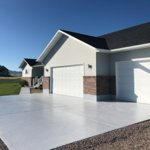
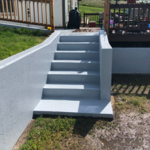
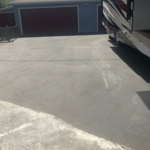
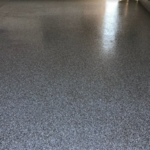
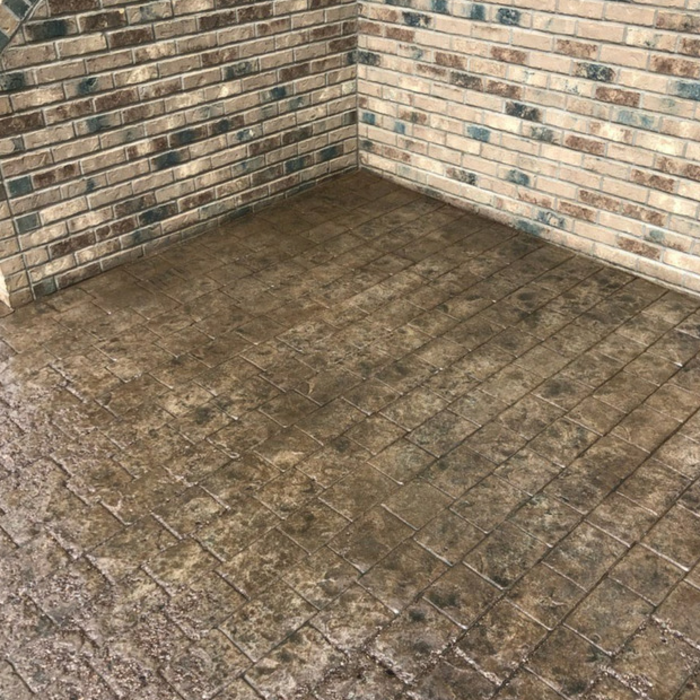
"MDK did a fantastic job! Because building professionals from all fields are extremely busy in Montana during the summer high volume construction months, it's difficult to find specialized contractors. I was able to get three separate proposals but would have had to wait for two months for two of the professionals to get a job started. Tony at MDK really pulled a rabbit out of the hat. Between jobs in Dillon, Butte and Big Sky, Tony put in a week of long days and nights to completely prep, finish, speckle and overcoat my 600 sq ft garage. Because of his work ethic, punctuality and professionalism, I asked him to add a two foot spray guard around the inside perimeter of the garage to match the floor finish. I plan to over-finish the patios and walkways in the future to prevent cracking and expedite snow removal."
If you dream it, we can build it. What's the biggest difference between us and them? We build to last! We offer a full line of Green and Energy Star Certified products, backed by our labor and manufacturer's lifetime transferable warranties. Credit Cards Welcome Financing Available OAC.
If you've decided you'd like to skip the cost of restoring a brick exterior wall after considering whether you should repair or replace brick on your house, you can consider installing fiber cement siding over brick for a cost of $2 to $6 per square foot. When done properly, cement siding over brick offers a durable, low-maintenance option that can actually reduce your home's energy costs. It's also attractive. However, improper installation or installation over heavily compromised brick can cause water damage.
Concrete walls last anywhere from 30 to 100 years. In many cases, concrete walls will last longer with proper support and ongoing maintenance. Some concrete foundations, for example, could last up to two centuries when properly maintained. Toward the end of its life span, however, it's critical to have a structural engineer examine the concrete wall for potential signs of decay.
Most of the time, you or your contractor will spray the concrete form and framework with a release agent or oil to prevent sticking. This is common practice with wood and steel forms. For insulated concrete forms, the styrofoam formwork often remains in place after construction, so you don’t need to treat it beforehand. Foam concrete forms made out of melamine also may not need treatment beforehand, as the material naturally won’t stick to the concrete after it’s cured.
Costs depend on material type, labor rates, and additional features like decorative finishes or reinforcement.
Yes, thicker concrete is less likely to crack. The thicker the concrete is, the less susceptible it is to extreme changes in weather conditions that often cause concrete to crack or chip. If you’re unable to install a thicker concrete driveway for any reason, you can also ask your professional to install more rebar or wire mesh to provide greater strength and better resilience to damage.
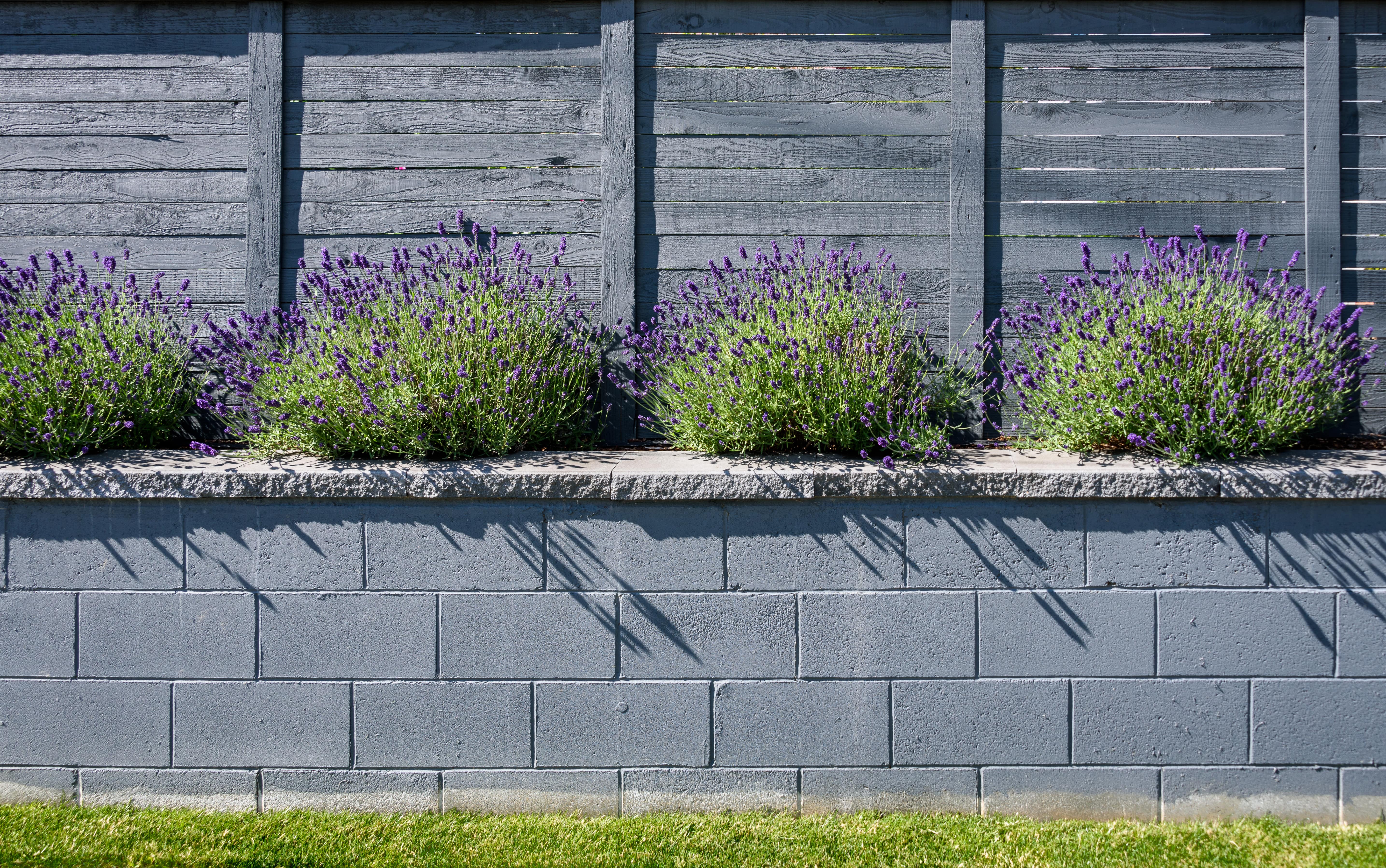
The Frazer, MT homeowners’ guide to concrete wall construction
From average costs to expert advice, get all the answers you need to get your job done.