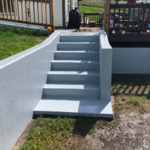
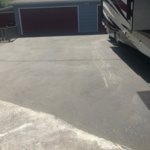
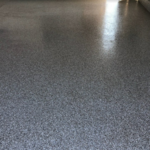
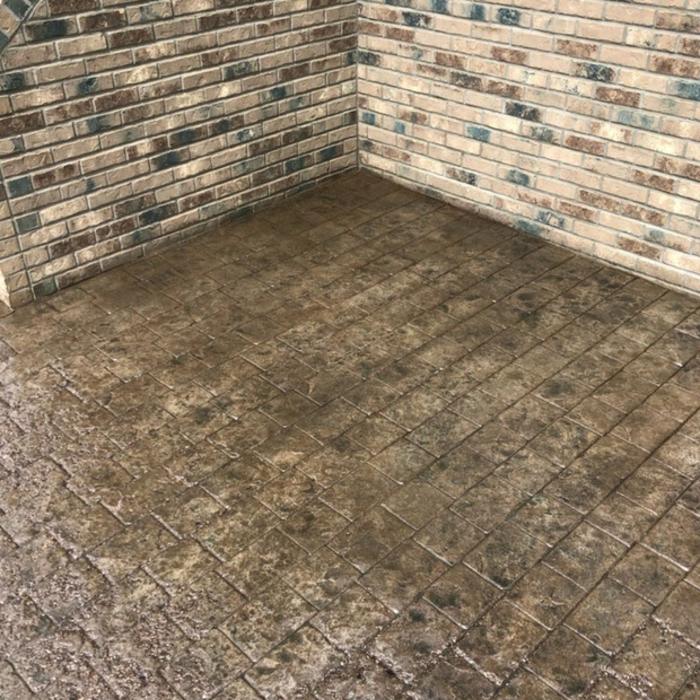
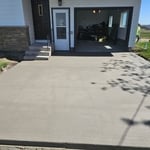
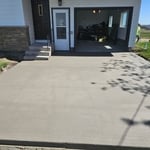
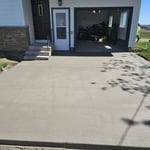
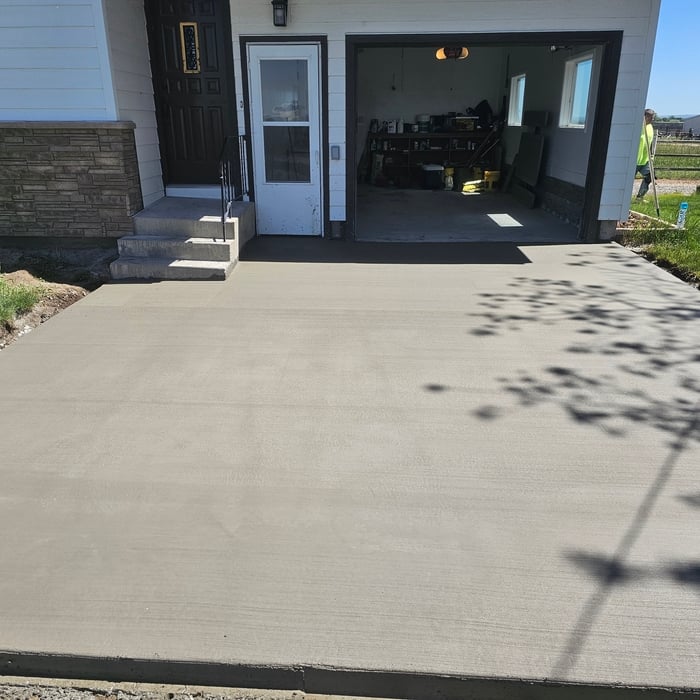
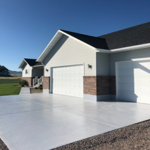
"MDK did a fantastic job! Because building professionals from all fields are extremely busy in Montana during the summer high volume construction months, it's difficult to find specialized contractors. I was able to get three separate proposals but would have had to wait for two months for two of the professionals to get a job started. Tony at MDK really pulled a rabbit out of the hat. Between jobs in Dillon, Butte and Big Sky, Tony put in a week of long days and nights to completely prep, finish, speckle and overcoat my 600 sq ft garage. Because of his work ethic, punctuality and professionalism, I asked him to add a two foot spray guard around the inside perimeter of the garage to match the floor finish. I plan to over-finish the patios and walkways in the future to prevent cracking and expedite snow removal."
If you dream it, we can build it. What's the biggest difference between us and them? We build to last! We offer a full line of Green and Energy Star Certified products, backed by our labor and manufacturer's lifetime transferable warranties. Credit Cards Welcome Financing Available OAC.
Ostermiller Construction LLC in Shepherd, MT specializes in concrete, asphalt, curb, driveway, walkway, sidewalk, parking lot construction, and dirt work. We offer free estimates.\n\nWe serve in Shepherd, MT, Broadview Town MT; Roundup MT; Camp Three MT; Klein MT; and the surrounding areas.\n\nAsphalt Repair, Asphalt Contractor, Asphalt Driveway Repair, Asphalt Crack Repair, Parking Lot Asphalt Repair\nConcrete Service\n\nFor more information visit our website: https://constructionshepherdmt.com/
Aim for a concrete thickness of at least 4 inches for the walls of your above-ground storm shelter and 3.0 to 3.5 cubic yards of concrete for the base of your storm shelter. If you’re concerned about the thickness of your concrete while building a storm shelter, get in touch with a professional storm shelter builder to make sure your work is up to code and safe.
The ideal base for concrete is even, firm, and permeable to encourage drainage. Depending on your project's weight requirements, a combination of gravel, sand, or other aggregates is best. While you can technically pour concrete over grass, dirt, or an old piece of concrete, you risk threatening the concrete's stability.
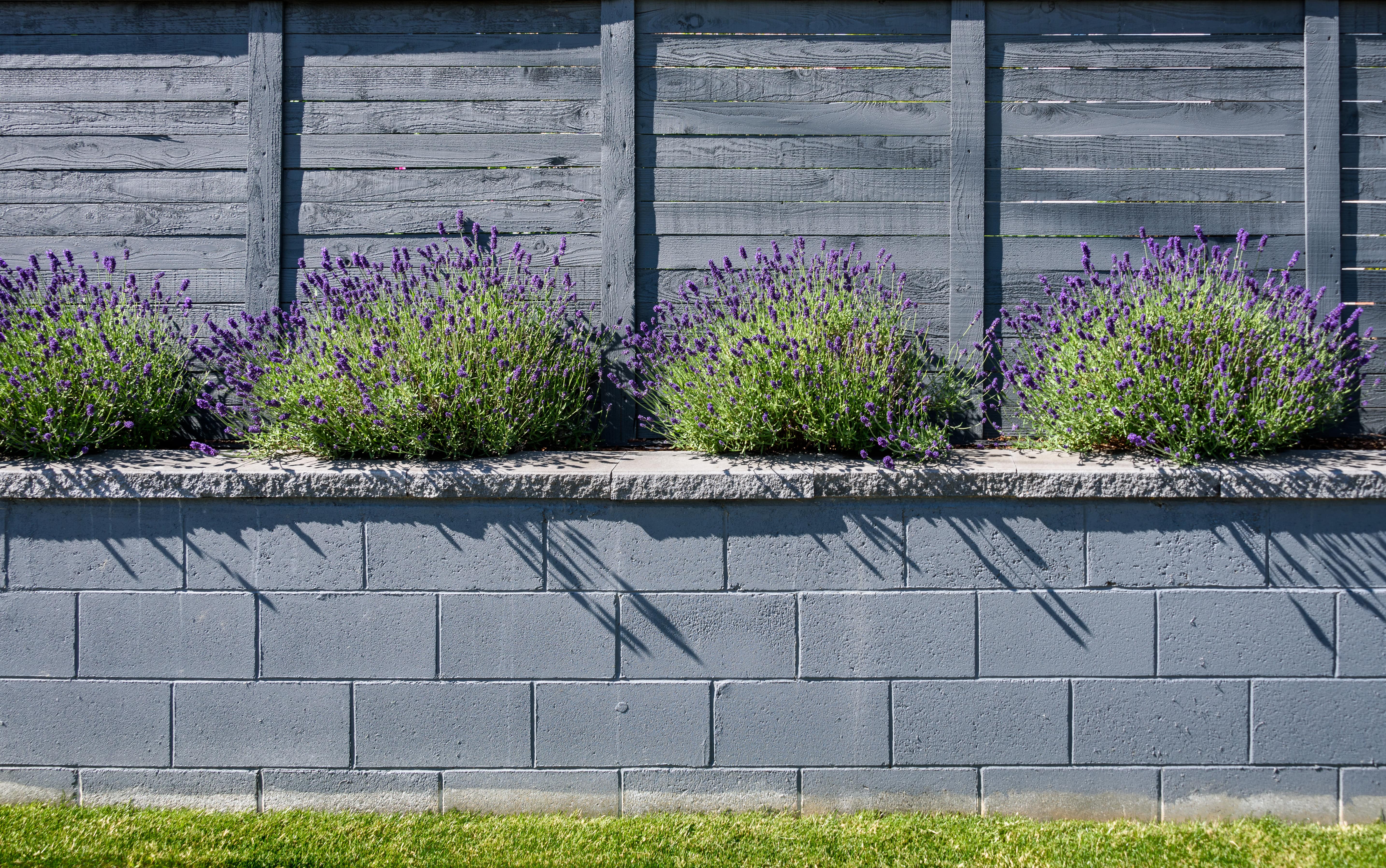
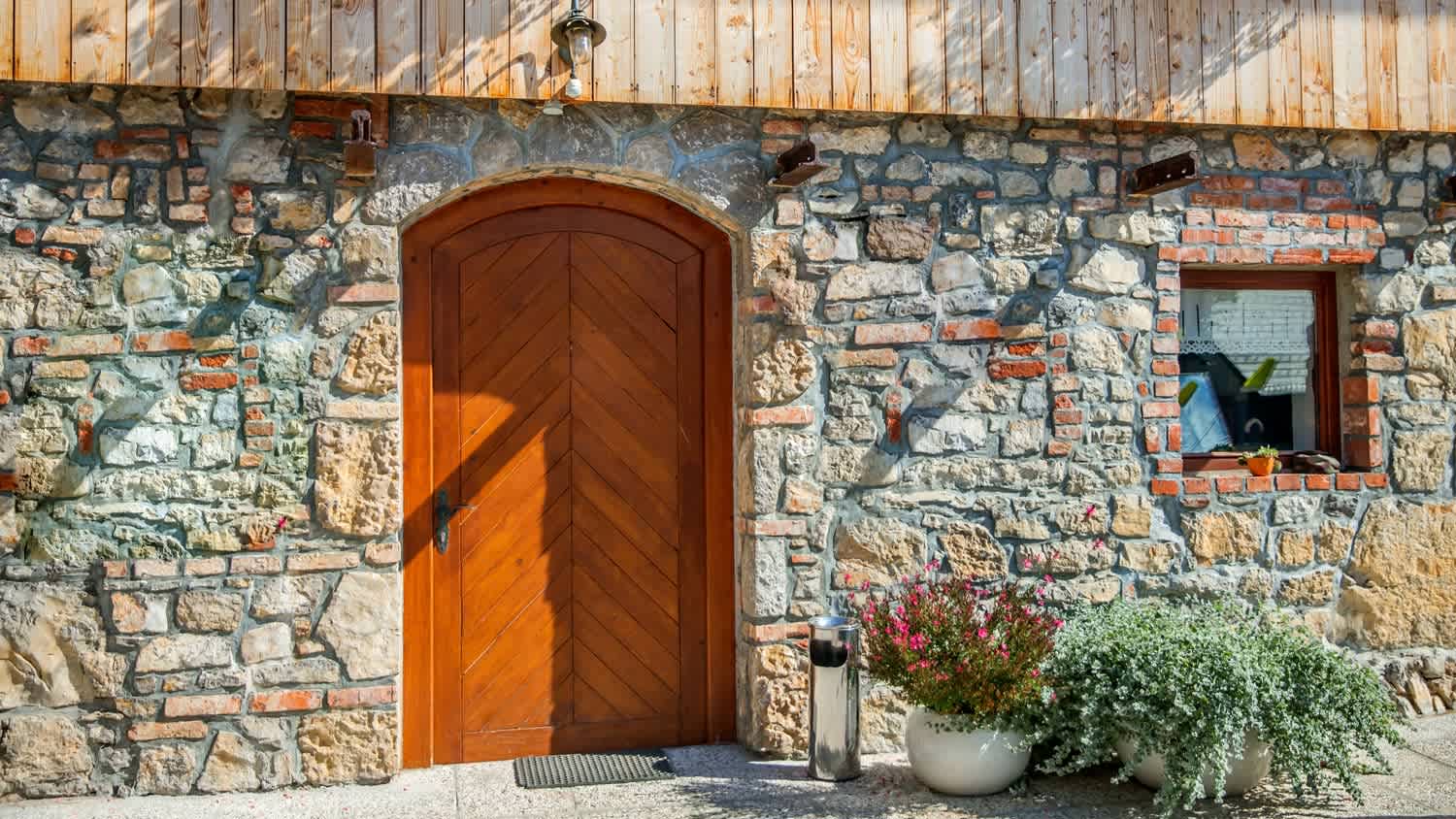
Brick walls are typically more expensive than concrete walls due to higher material and labor costs. Brick wall costs can range from $10 to $45 per square foot, plus $70 to $110 per hour for labor. Meanwhile, concrete block walls usually cost $10 to $20 per square foot, depending on the material type. Labor for concrete tends to be less intensive and costly. Ultimately, concrete is often the more affordable choice, especially for larger projects.
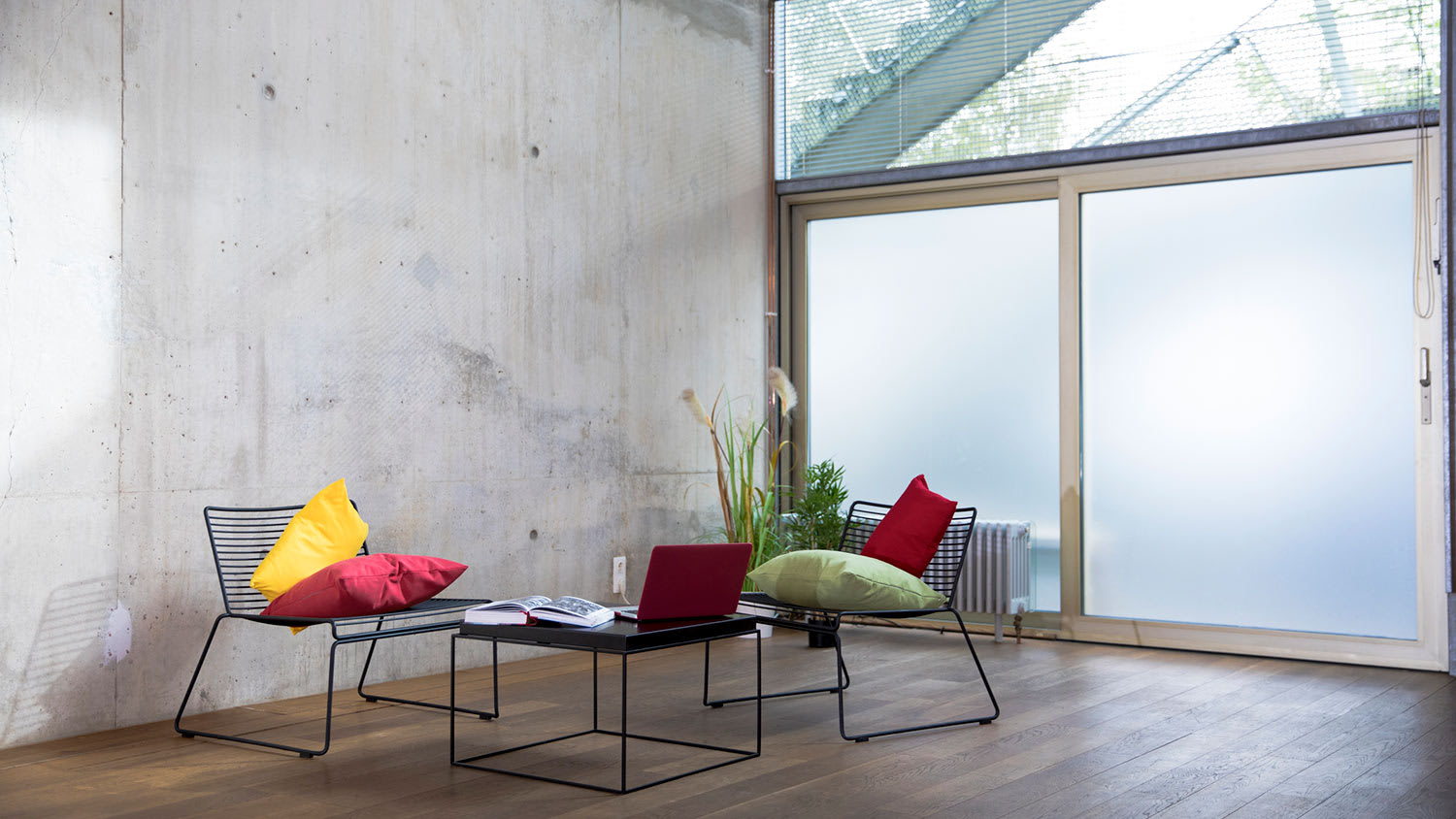
It's safe to assume that all exterior walls are load-bearing, or at least have load-bearing characteristics. Some older homes feature porches or bump-outs that don't rest on the home's foundation. However, they still must carry the weight of the roof section they support. Walls containing floor-to-ceiling glass or other non-structural elements must use post and beam configurations to meet load-bearing criteria.
Yes, you can pour the footings for your foundation and the foundation system itself together, in which case the footing acts as the foundation. Some common examples of foundations where you might pour the footings simultaneously include floating slab foundations and monolithic slab foundations. Both lack traditional footings underneath the slab, so these foundation types are considered footings.
The Circle, MT homeowners’ guide to concrete wall construction
From average costs to expert advice, get all the answers you need to get your job done.
Deciding on a material for your next masonry project? Concrete blocks and bricks share some advantages but have key differences. This guide breaks it down.