"We had our concrete floors raised as they have settled over the years. Joey and Derrick were the team that did the raising. Fantastic professionals and excellent workmanship. They not only answered our questions but explained why and how the foam worked. I was a home builder for 10 years and can recognize good workman. These two were outstanding. If you need foundation work or concrete floors lifted, give Innovative a call. DON'T SETTLE FOR ANYTHING LESS."
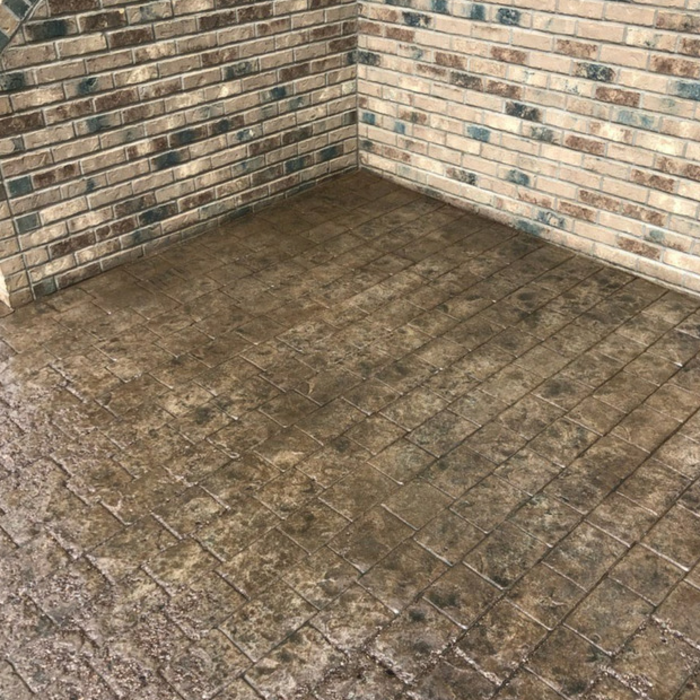
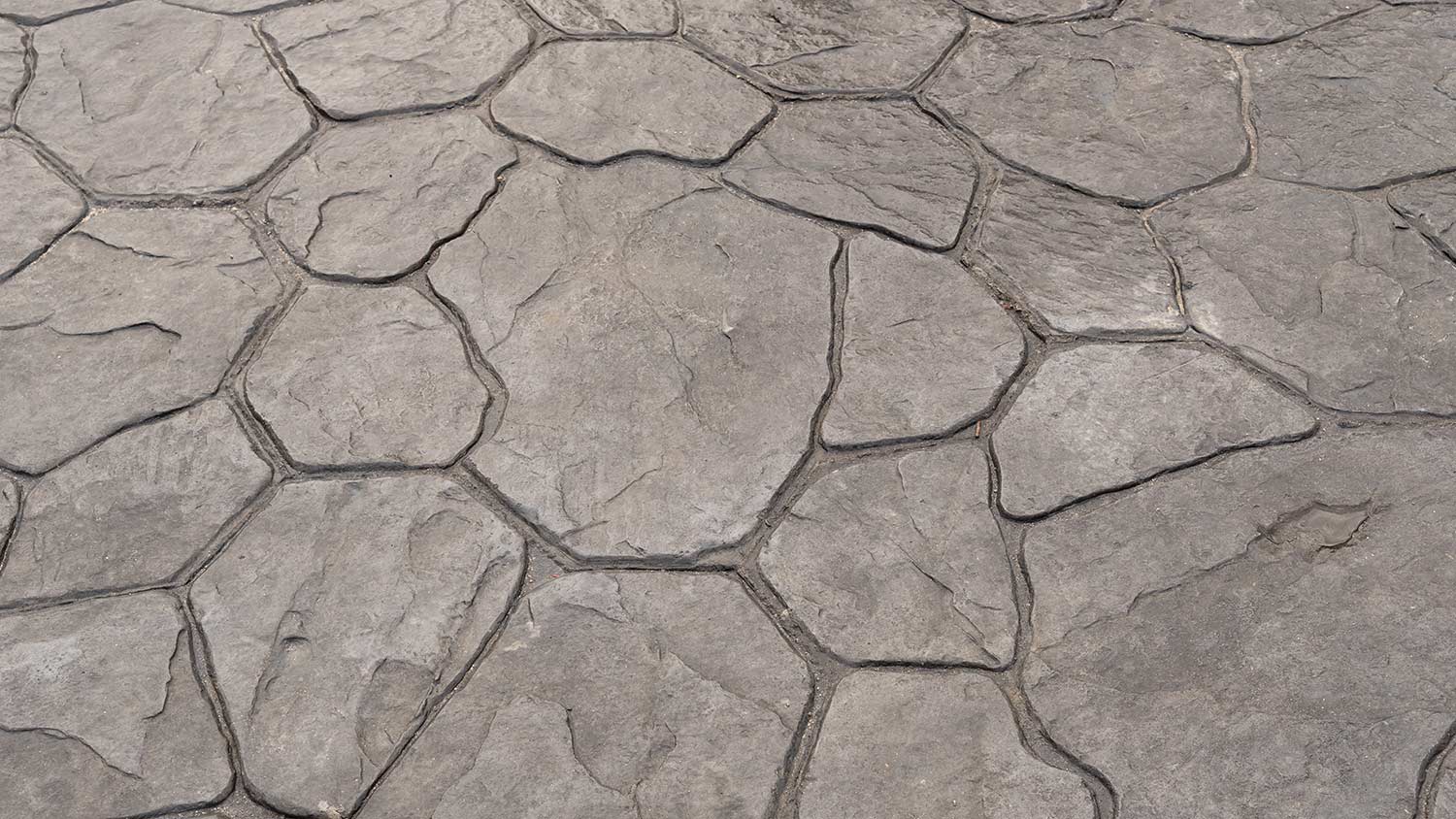
MDK Coatings is your go-to decorative concrete company in Dillon! We have decades of experience to provide world-class service and will work with you to ensure your complete satisfaction with every project. Our owner is happy to meet with you in person and will provide expert guidance from start to finish. Call today for a free estimate!
If you dream it, we can build it. What's the biggest difference between us and them? We build to last! We offer a full line of Green and Energy Star Certified products, backed by our labor and manufacturer's lifetime transferable warranties. Credit Cards Welcome Financing Available OAC.
The length of time it takes to construct a seawall depends on the size and material; commercial seawalls tend to be much more extensive and thus take longer to build. Expect the actual construction to take between a few weeks and a few months, but the preparation before work even begins might take just as long.
Do some research before hiring a concrete contractor . Consider asking whether the contractor is insured, if they can provide references of past clients you can contact, and if this type of work requires a permit. Another potential question is how long they guarantee their work.
Most of the time, you or your contractor will spray the concrete form and framework with a release agent or oil to prevent sticking. This is common practice with wood and steel forms. For insulated concrete forms, the styrofoam formwork often remains in place after construction, so you don’t need to treat it beforehand. Foam concrete forms made out of melamine also may not need treatment beforehand, as the material naturally won’t stick to the concrete after it’s cured.
Aim for a concrete thickness of at least 4 inches for the walls of your above-ground storm shelter and 3.0 to 3.5 cubic yards of concrete for the base of your storm shelter. If you’re concerned about the thickness of your concrete while building a storm shelter, get in touch with a professional storm shelter builder to make sure your work is up to code and safe.
Yes, you can pour concrete if it rained the day before, but you’ll need to drain the construction site to ensure there isn’t standing water where your slab will sit. You might need to manually remove any puddles and set up drainage on your site to dry it before pouring. Moist soil won’t be an issue, but standing water will throw off your concrete mix ratios. Additionally, ensure there isn’t more rain expected in the near future before you pour.
The Fairview, MT homeowners’ guide to concrete wall construction
From average costs to expert advice, get all the answers you need to get your job done.