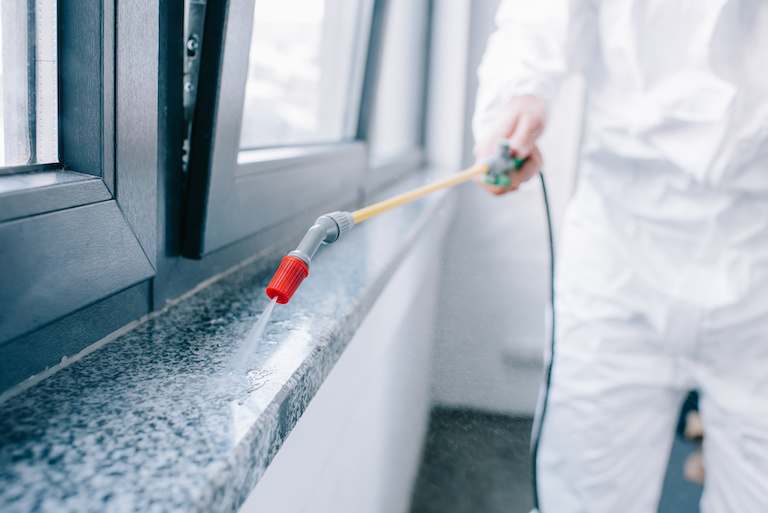
Top-rated pest control specialists.

Get matched with top pest control specialists in Fort Harrison, MT

Enter your zip and get matched with up to 5 pros

Need a pro for your pest control project in Fort Harrison, MT?

Select your specific project to find the pro for you.

TRUSTED BY FORT HARRISON, MT HOMEOWNERS

  • Average homeowner rating star icon4.4
    Average homeowner rating
  • Verified reviews icon29
    Verified pest control services reviews

Find Pest control specialists in Fort Harrison

Studer Spraying Services, LLC
5.0(
8
)
Pest Control - Bed BugsPest Control - Bugs and InsectsPest Control - Rodents+3 more

Serving Fort Harrison, MT and surrounding areas

In business since 2016

"Lloyd helped me solve a major problem with packrats in the attic. He came 80 miles, within a few days, and was right on time. He couldn't find the "animal" on that day, but inspected my home for entry points, fixed a vent, and found my inside attic entry which I didn't even know where it was. He got rid of the immediate problem, and when it reoccurred a couple months later, I had the access and knowledge to fix it myself (live trap -easy!). Thank you Lloyd for your great service that is not available in my area."
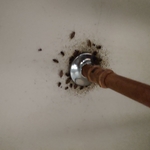
Cockroaches
Cockroaches
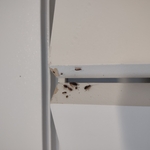
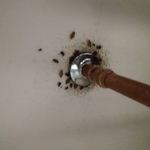
Cockroach infestation
German cockroach infestation
Response time2 days
Recommended by87%of homeowners

Pest Control questions, answered by experts

There are plenty of scents spiders hate, but there are some scents scientists believe can work in the opposite way and attract them into your home. Some studies suggest that spiders may be attracted to stinky items like smelly socks. One thought is spiders are attracted to smells that attract more insects, such as mosquitos, which they feed on.

Paper wasps, like many other wasps, are attracted to sweet smells that remind them of nectar. That’s why wasps may buzz around you as you snack on watermelon on the patio. They may also like the scent of certain perfumes. Standing water attracts these wasps, too.

Paper wasps are also attracted to warm, sheltered spaces, where they can build nests and raise larva in protected areas away from predators. They may also be attracted to untreated wood on your deck or fence, as they use wood pulp to build nests.

Some of the plants listed above, like daffodils, are poisonous to many animals if eaten. But wild animals instinctively avoid them, for the most part. Household pets don’t always have the same survival instinct, which is why it’s a good idea to familiarize yourself with common plants that pose a danger to cats and dogs.

Both spikes and loose nets can be installed over nest sites to prevent the bird from returning, but nets are not a humane option since birds and other wildlife can get tangled in them. 

Spikes are a humane alternative that deter nesting without harming the birds. In small areas, like vents, a very fine mesh net can be installed to prevent the bird from returning. These nets don't generally pose a risk to the birds.

If you’re dealing with a bee colony on your property, you might wonder if they’ll leave naturally over time. The answer depends on their circumstances. Bees often relocate if the hive becomes overcrowded, food is scarce, or they face a threat. With that said, if a hive’s location is safe, warm, and with plentiful food sources, they are unlikely to relocate on their own, and the hive may persist for many generations.

The Fort Harrison, MT homeowners’ guide to pest control services

From average costs to expert advice, get all the answers you need to get your job done.