"Well. Only problem was delay in response time after claim was filed online. Water tank started leaking Thanksgiving morning and no reply until I called the Regional Manager."
"Takes for ever to get a return a call. Also took a week to get someone out for repairs. They said they would reimburse me for septic repairs and it took over 3 months for that to happen."
Rob Heavilin of Quality Plumbing Services, PLLC can help you with all of your plumbing needs, from simple clogs to new tubs and showers to water mains. All with friendly professional service.
We take great pride in our experience, expertise, quality and customer service that we provide to meet every consumer's needs.\nIt is our mission to provide excellent customer service from start to completion of a project.\nTo understand the needs and expectations of our customers, we take great care to work and communicate with every customer in a personal and professional manner.\nOur reputation is based on service, safety and quality, regardless of how large or small the job.\n
There are a couple of ways you can determine the depth of your well. One method is to use a device called a well sounder. This tool has a long measuring tape containing a sensor to alert you once the end reaches the water.
Or you can DIY it by using a long tape measure with a half-filled bottle of water attached to it. Lower the tape measure into your well. Once you feel tension on the tape, you’ll know the bottle has reached your static water level. This will give you an approximate idea of your well’s depth.
A shallow-well pump can pull water up to 25 feet deep. A deep-well pump can pull water up to 90 feet deep. A deep-well submersible pump can pull water up to 300 feet deep. Make sure to consult a pro to find out how deep your well is and get the right pump for your needs.
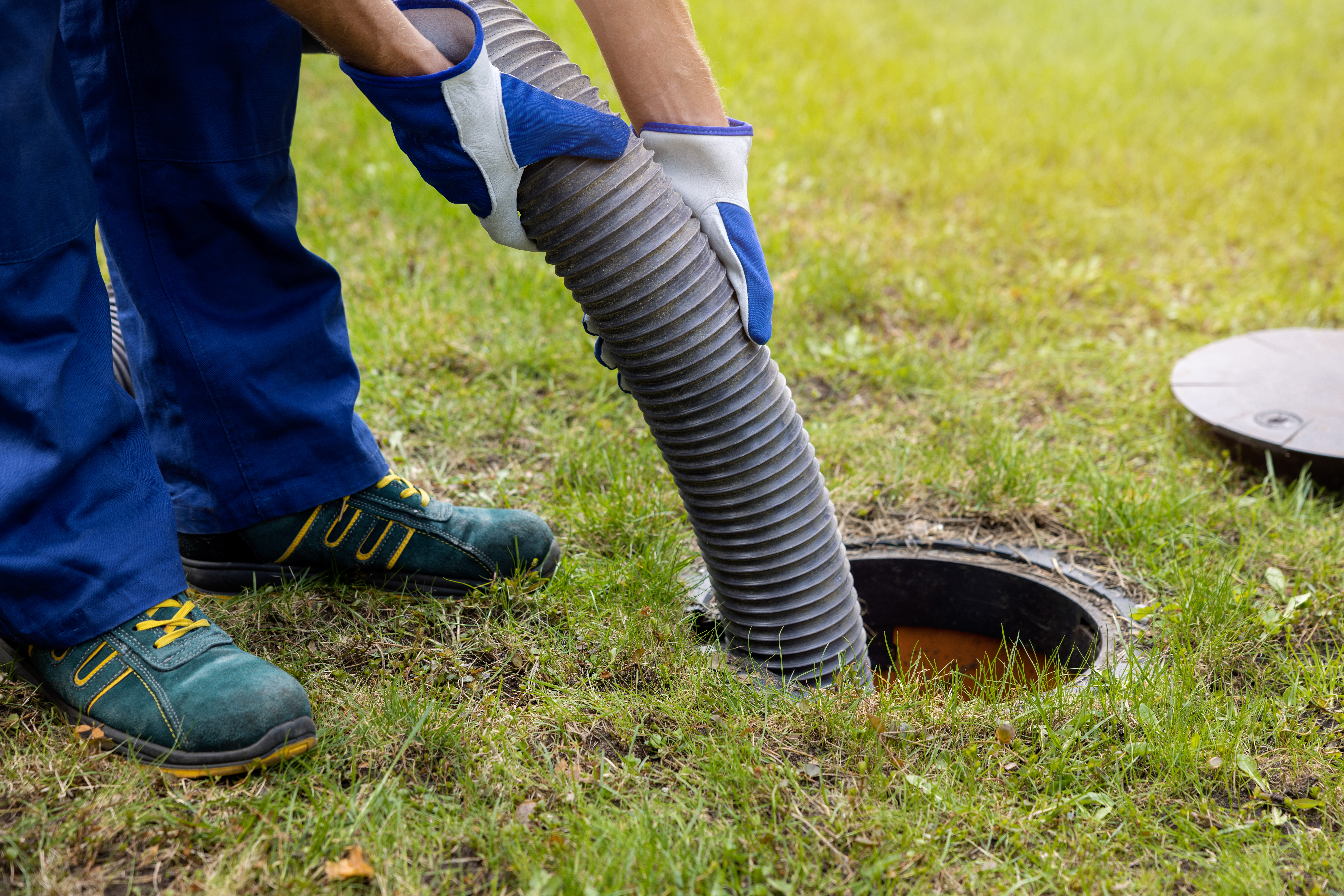
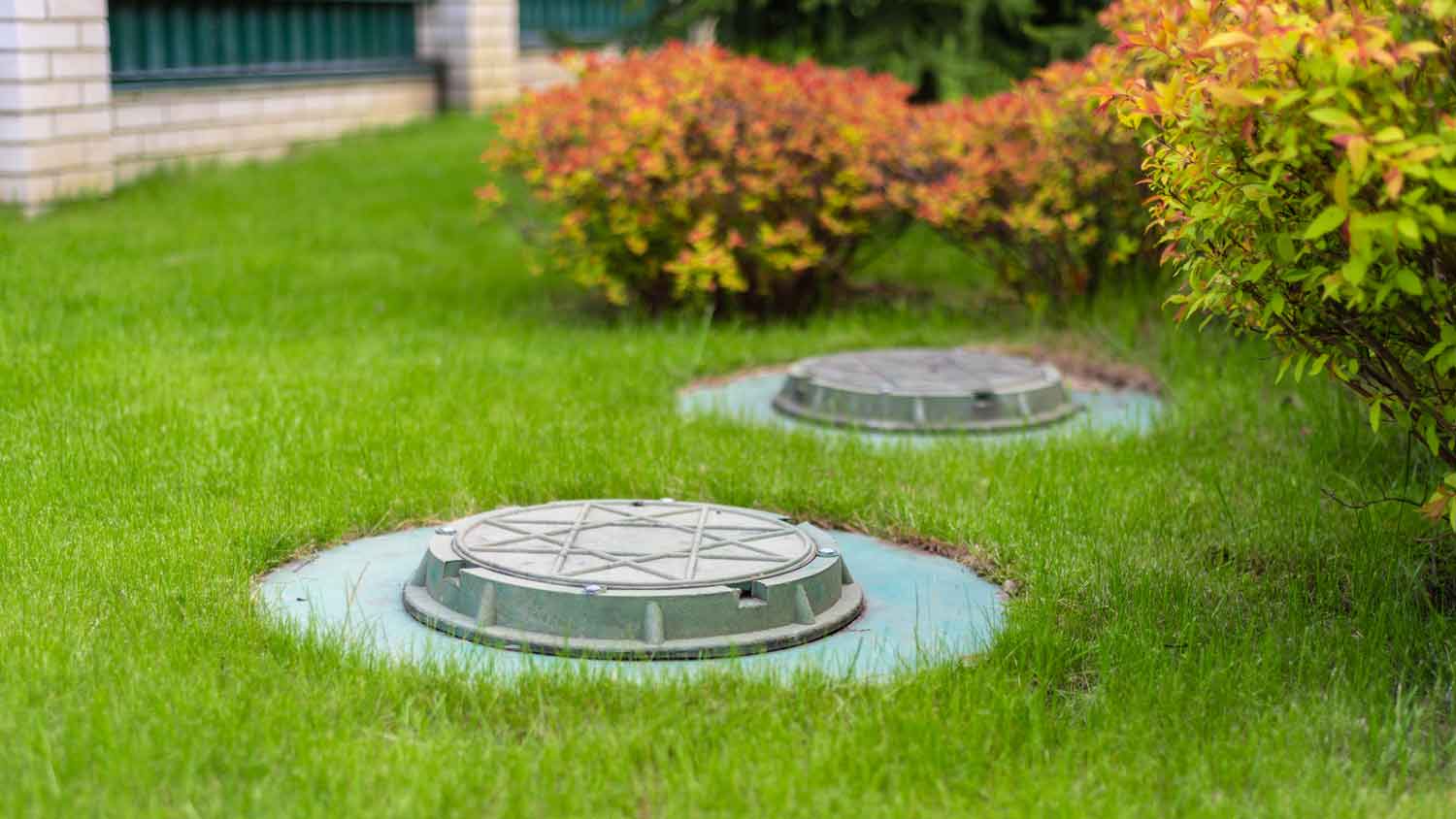
Septic tanks appear full after pumping because the liquid levels have returned to normal. If you can see the pipe, the tank is empty. However, heavy rain can cause septic tanks to fill faster than normal. You might also have leaky pipes or faucets, causing extra water to drip down the drains and into the septic tank.
A septic smell may be harmful because sewer gas is dangerous depending on the exposure amount and length of time. Sewer gas is made up of multiple gases, including hydrogen sulfide, methane, ammonia, and carbon dioxide. Some of these gases, like hydrogen sulfide and ammonia, are toxic to humans and can be fatal in high concentrations or long exposures.
You may notice a septic smell in your yard after it rains if groundwater is entering your septic tank and causing it to overflow. If you experience septic odors after rainfall, contact a licensed plumber. They can construct a drain to redirect rainwater away from your septic tank.
The Conrad, MT homeowners’ guide to septic tank services
From average costs to expert advice, get all the answers you need to get your job done.
It’s crucial to install a septic tank with the right volume to avoid wastewater backups. This guide will help you calculate the right septic tank volume.
Septic tank sizes vary depending on the size of your home, how many people live there, how much water you use, and more. Read on to learn how to determine the right size for you.