



Top-rated generator install pros.

Best generator install pros near Tupelo, MS

Enter your zip and get matched with up to 5 pros

Need a pro for your generator install project in Tupelo, MS?

Select your specific project to find the pro for you.

Top-Rated Generator install pros in Tupelo - Updated Nov 2026

Avatar for Quality Construction & Engineering
Quality Construction & Engineering
4.6(
32
)
Fixed Generator - InstallFixed Generator - RepairGenerator - Install - For Business+1 more

Serving Tupelo, MS and surrounding areas

Approved

In business since 2006

Free estimates

Emergency services offered

"Quality Construction Engineering did an outstanding job installing the generator at my home! I truly appreciate their professionalism, quality workmanship, and attention to detail. Having backup power gives me and my family added peace of mind, and I’m so pleased with the installation. Thank you for a job well done! I highly recommend Quality Construction Engineering to anyone looking for quality generator installation."
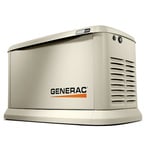
Generac Generator
27 neighbors recently requested a quote
D'Sean T
New to Angi
Portable Generator - Repair

Serving Tupelo, MS and surrounding areas

Approved

I’m a licensed electrician who takes pride in doing honest, reliable work. I handle everything from small repairs and troubleshooting to lighting installs, panel upgrades, and general electrical maintenance. I pay attention to the details, make safety a priority, and treat every home or job site with respect.\n\nI’m currently looking to pick up any side jobs I can—no job is too small. Whether you need a ceiling fan installed, outlets fixed, breakers replaced, or help figuring out an electrical issue, I’m ready to help. I believe in fair pricing, clear communication, and getting the job done right the first time.\n\nIf you need dependable electrical work, I’d appreciate the opportunity to earn your business.\n

3 neighbors recently requested a quote
Showing 1-10 of 29
Generator Install FAQs, answered by experts

To determine the right size generator for your house, you should calculate the total wattage of the appliances and devices you want to power during an outage. List all essential items, note their start-up wattages, and add them together.

Here are some typical wattage requirements for common appliances:

  • Refrigerator: 600 watts

  • Large dehumidifier: 700 watts

  • Large window air conditioner: 1,400 watts

  • Water heater: 3,000 to 4,500 watts

  • Electric furnace: 5,000 to 25,000 watts

A 7,500-watt generator might be sufficient for essentials like a refrigerator, freezer, well pump, and lighting circuits. However, for high-demand items like a water heater or furnace, a whole-home generator is a better choice. A portable generator may be enough if you only need to power a few critical items.

While home square footage can offer a rough estimate, it is not always a reliable indicator. For reference, here are some typical generator sizes based on square footage:

  • 1,000 sq ft: 6–9 kW

  • 1,500 sq ft: 7–10 kW

  • 2,000 sq ft: 10–14 kW

  • 2,500 sq ft: 12–16 kW

  • 3,000 sq ft: 16–20 kW+

For the most accurate sizing, consult a professional who can calculate your home's peak and average power consumption and recommend the optimal generator.

The amount of time a standby generator can run continuously is around 3,000 hours on average. However, standby generators can generally run indefinitely as long as they have a continuous fuel supply. Generators hooked up to a home’s natural gas supply are the best option for extended usage, as these won’t rely on a finite fuel supply based on how much you have in storage. Generators running on liquid propane or diesel won’t last as long, as these require fuel storage and regular refueling to stay running.

You may need a permit for a portable generator if you’ll be installing a transfer switch for your primary residence or similar work. Otherwise, a permit for other uses may not be necessary. Check your local building codes or ask a local generator installer for more information about your local regulations.

Whole-house generators need to be installed on level ground several feet away from walls and other objects. Because they tap into the electrical system directly, they usually need to be close to your home electrical panel for a transfer switch installation. It also helps with installation if they are near to a gas line or propane tank installation.

Generators run on a variety of fuel types, ranging from natural gas to solar power. Keep in mind that fuel costs varying by type:

  • Natural gas: $2,000–$21,000 per year 

  • Liquid propane: $2,000–$21,000 per year

  • Diesel: $3,000–$20,000 per year

  • Gasoline: $500–$3,000 per year

  • Solar generator: $2,000–$25,000 per unit

  • Battery backup: $10,000–$25,000 per unit

The Tupelo, MS homeowners’ guide to generator installs

From average costs to expert advice, get all the answers you need to get your job done.