







"He communicated with me and came right out and completed the job I called about. He also found another issue and fixed that as well. I would definitely recommend him and I will be using them again."
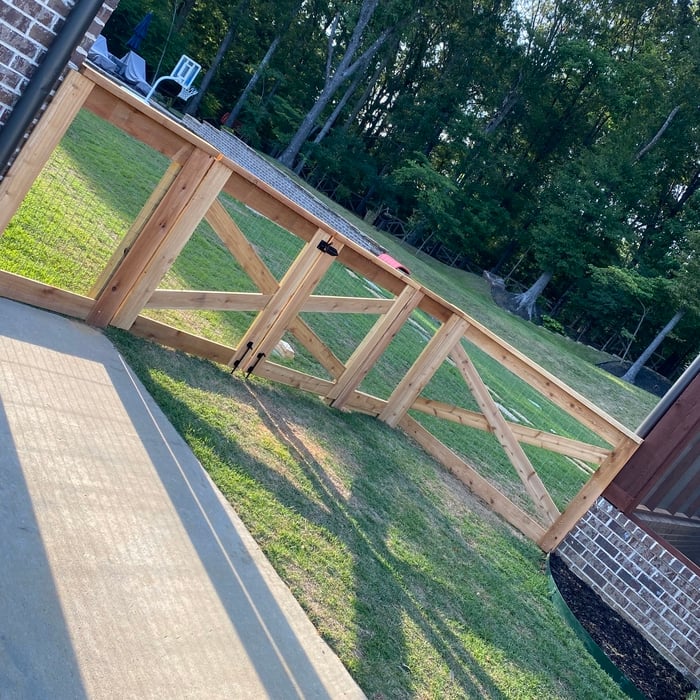
"They rebuilt my deck, stained and sealed it, and improved the structure and water drainage underneath. They also rebuilt my wooden double gate and single gate, 12 ft section. They akso installed a lot of fence posts where needed to strengthen the fence. They were fast and did a very good job for a reasonable price. I would use them again."
"Mr. More always does and excellent job. He has completed several projects for me including landscaping, landscape border, shrub removal and planting, weeding and mulching."
"Marvin is excellent. He has taken care of my lawn for 7 years. Marvin has done other odd and end jobs as well. I trust him and know I can count on him. You can count on him as well."
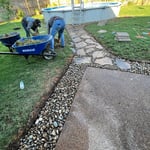
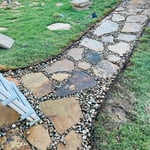
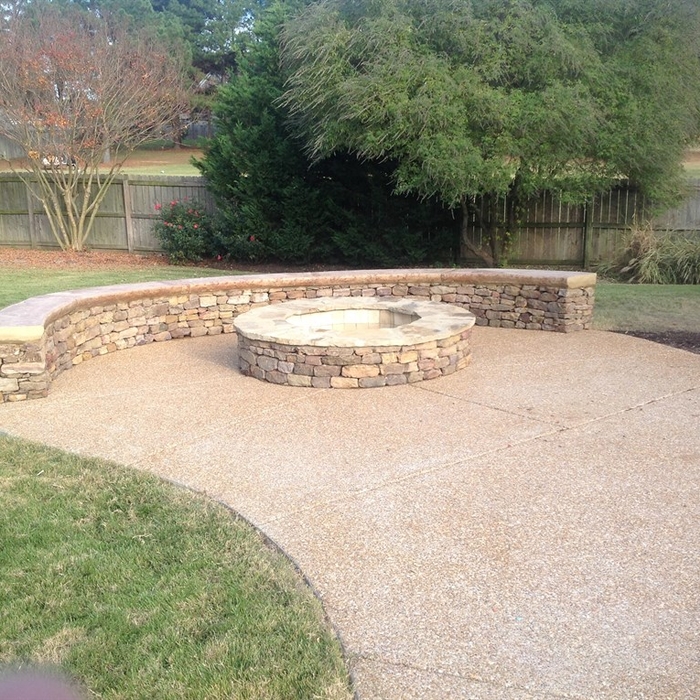
"Bill and his guys worked over several days installing a fieldstone wall around two flowerbeds and a mailbox. Bill without hesitation sent his guys back out several times to modify things that I wanted done differently every step of the way until my vision was finally a reality. Any problems I identified aren't even worth mentioning because Bill and his team fixed all issues. I would without hesitation use them again in the future - and plan to do so! "
"I needed my lawn taken care of. I haven't had it treated in a while. Charter provided me a better quote than the other companies and my weed problem is no more."
When you purchase mulch for delivery, it’s usually by the cubic yard, so you’ll want to convert your space to cubic yards to get the right amount. First, determine the square footage of the area you want to cover, and then determine how deep the bed of mulch will be—a good rule of thumb is around three inches. Multiply your square footage in feet by the depth in inches and divide by 324. You may want to add a ½ to one additional cubic yard to ensure you have enough.
The least costly way to keep grass from growing is also the most labor-intensive: regular weeding. Pull out grass blades as you see them pop up through the soil in areas where they’re unwanted. Another cost-effective way to keep grass from growing is by spreading a thick layer of mulch on the area as this will suffocate the grass.
Pea gravel is a type of gravel that is generally smaller and rounder than regular gravel. It's usually made from river rock and is available in a wide range of colors. Thanks to its soft, round shape, pea gravel is more comfortable to walk on compared to standard gravel, which can have sharp edges. A drawback of pea gravel is that it can scatter more easily than other gravel types.
If you’re using crushed stone or gravel as a base material, then yes, you should compact it to prevent movement of the top layers. For instance, if you don’t compact crushed stone or gravel and you lay pavers on top of them, the pavers will shift over time. However, if you’re using gravel or crushed stone as a top layer for aesthetic purposes, you might not want to compact the materials.
Rocks are less likely to attract snakes and other critters because their prey (termites, ticks, and other insects) don’t usually inhabit this environment. However, if you have placed together rocks with large spaces in between or near a source of water, you may find a snake or an occasional chipmunk seeking shelter.
The Nesbit, MS homeowners’ guide to mulch and topsoil services
From average costs to expert advice, get all the answers you need to get your job done.
The cost of topsoil varies based on the size of the area and the depth, as well as prep and labor. This article covers everything to factor into your budget.
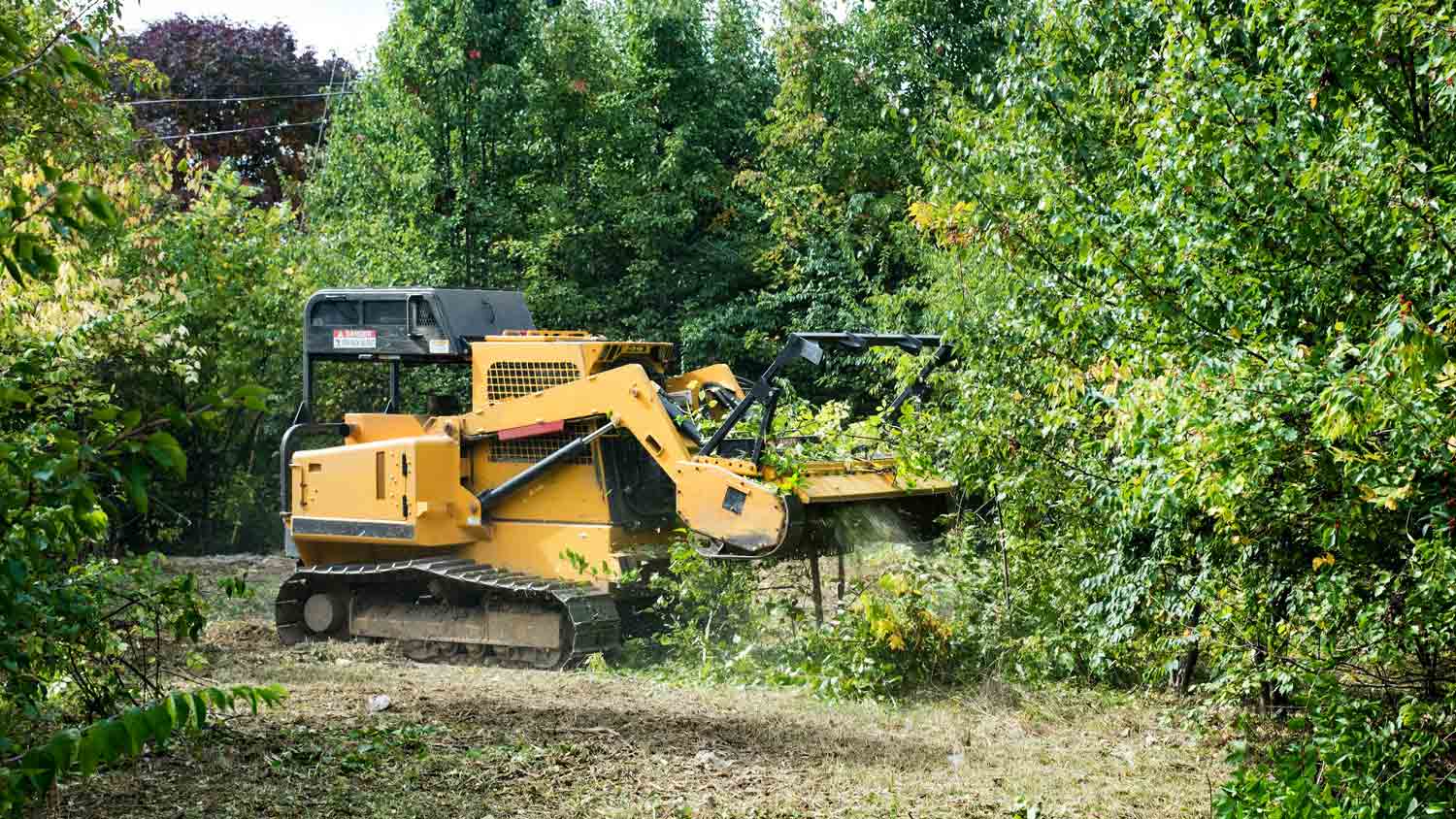
Discover the average forestry mulching cost, including per-acre and hourly rates, plus key factors that impact your total price. Get expert tips to save on your project.
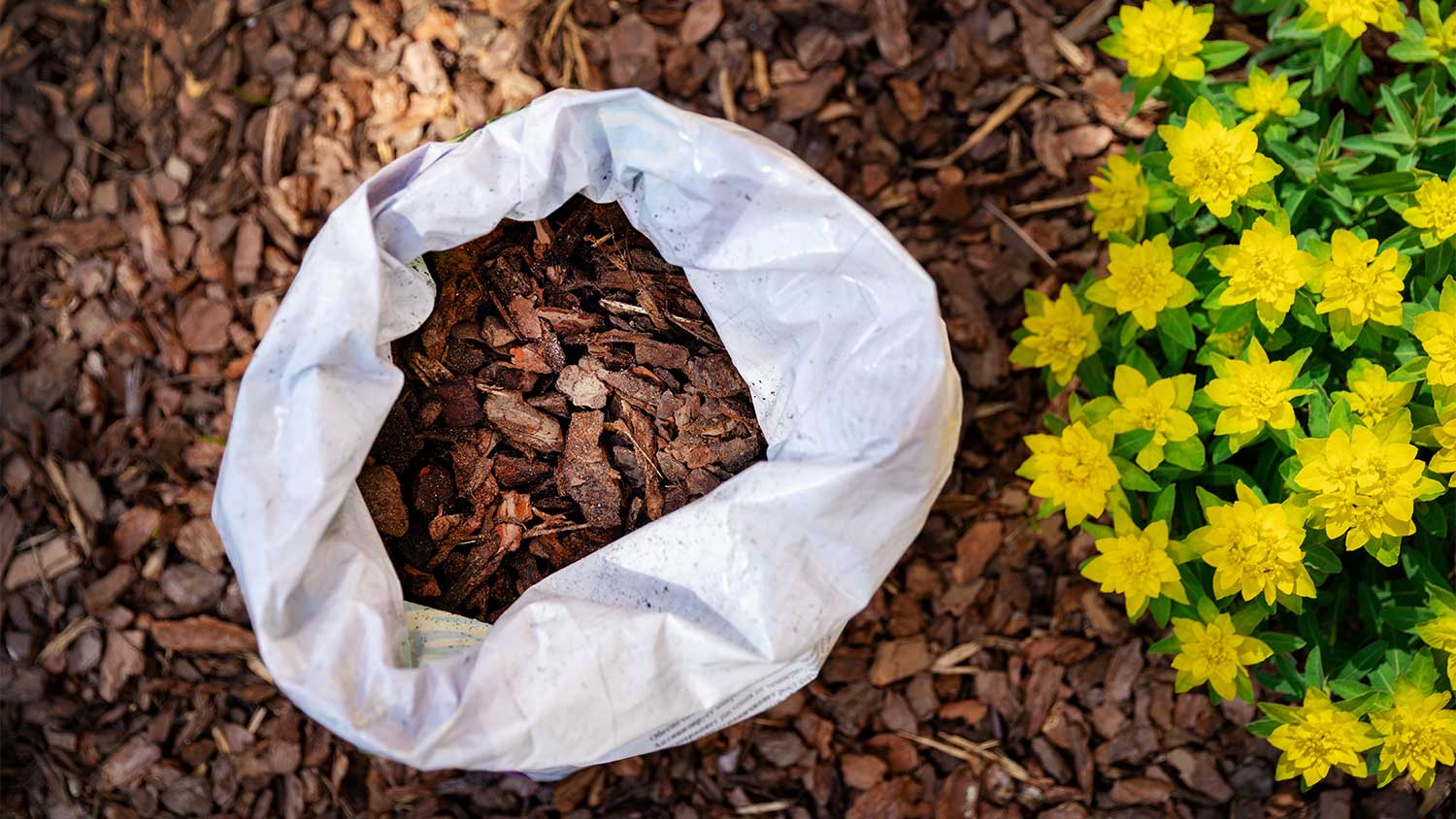
Find out the average mulch delivery and installation cost, plus key factors that impact your price. Learn how to budget, compare options, and save on your landscaping project.