




Top-rated excavation pros.

Get matched with top excavation pros in Jayess, MS

Enter your zip and get matched with up to 5 pros

Need a pro for your excavation project in Jayess, MS?

Select your specific project to find the pro for you.

Find Excavation pros in Jayess

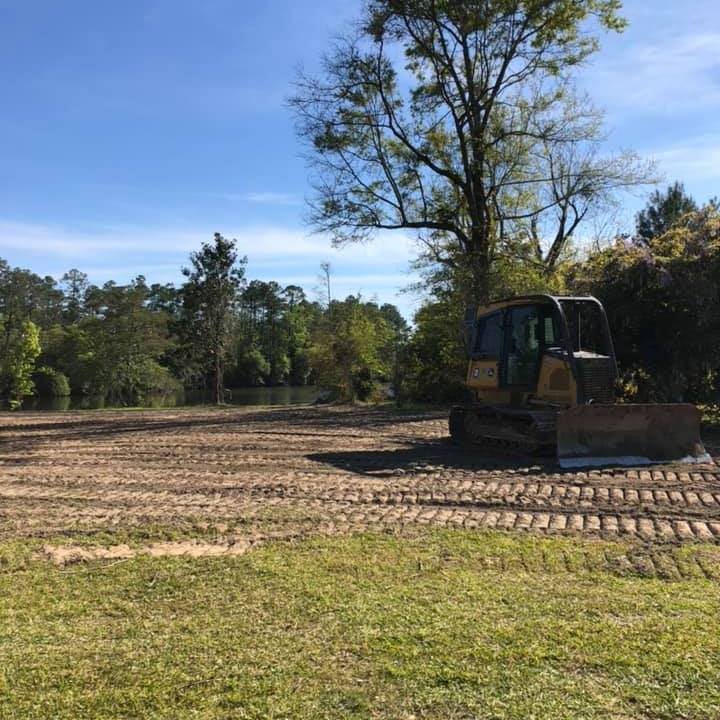
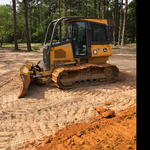
Rimes Excavating and Dozer Work
5.0(
1
)
Building Site - Preparation and ClearingBuilding Site - Preparation and Clearing - For BusinessExcavation - Major Grading or Resloping+1 more

Serving Jayess, MS and surrounding areas

In business since 2019

Free estimates

Rimes Excavating and Dozer Work proudly serves our customers with pride, integrity, and attention to details that matter most to you. This is one of the many things that sets us apart from the rest. We are family business and have been around the Pike county area for 30 years. Please give us a call today. We do have minimum on our equipment dozer is $125 hour with a five hour minimum and the track hoe $100 an hour with a five hour minimum.

Response time20 mins
Recommended by100%of homeowners
...
Showing 1-10 of 67
Excavating questions, answered by experts

No, you typically cannot use metal detectors to find your sewer line. Most sewer lines are made of non-metallic materials such as PVC, clay, or cast iron, which are not detectable by standard metal detectors. Metal detectors are designed to locate metallic objects, so they won't be effective for identifying the path of a non-metallic sewer line. To locate your sewer line accurately, it's best to use other methods.

Preparation involves site assessment, clearing debris, grading surfaces, and compacting soil to support stable construction.

Prior to excavation, you should prepare the dig site and call 311 before you sign anything.

To get your site ready for excavation, you should move anything in the area that isn’t affixed to the land. You can save money on the excavation by removing hardscaping, including walkways, decks, concrete patios, and paver patios.

Before you carry out any digging, you should call 311 to confirm that there are no utility lines running through your excavation site. Skipping this step could lead to severe injury and property damage if your excavator hits a water, sewage, or gas line.

Water lines are buried at various depths, depending on the type of line. For example, most sprinkler lines are buried between four and 12 inches underground. On the other hand, water mains usually sit between one and 3 feet below ground. However, they can go even deeper in cold climates to prevent freezing.

We recommend removing the stump, and grinding is a popular way to do it. You can also dig out small stumps or stumps that have fully decayed instead of grinding them. However, don’t try using acids or fire for killing a tree stump, which is a fire hazard and illegal in many areas.

Leaving the stump alone invites eventual problems, including attracting termites, mold, and fungi.

The Jayess, MS homeowners’ guide to excavation services

From average costs to expert advice, get all the answers you need to get your job done.