



Top-rated excavation pros.

Get matched with top excavation pros in Lexington, MS

Enter your zip and get matched with up to 5 pros

Need a pro for your excavation project in Lexington, MS?

Select your specific project to find the pro for you.

Find Excavation pros in Lexington

Cow Creek Construction
5.0(
2
)
Building Site - Preparation and ClearingBuilding Site - Preparation and Clearing - For BusinessExcavation - Major Grading or Resloping+2 more

Serving Lexington, MS and surrounding areas

Free estimates

Emergency services offered

Credit card accepted

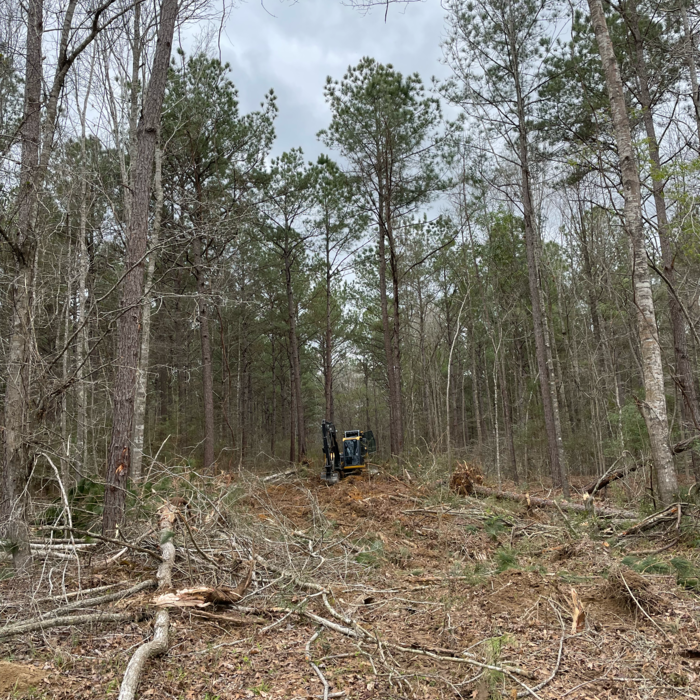
"I needed about 20 acres cleared to turn into pasture land. They came out back in February 2022, did an absolute amazing job for a great price. Will most definitely recommend them to everyone!"
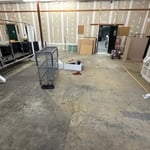
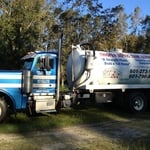
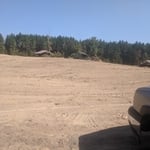
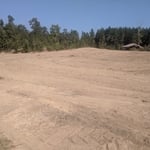
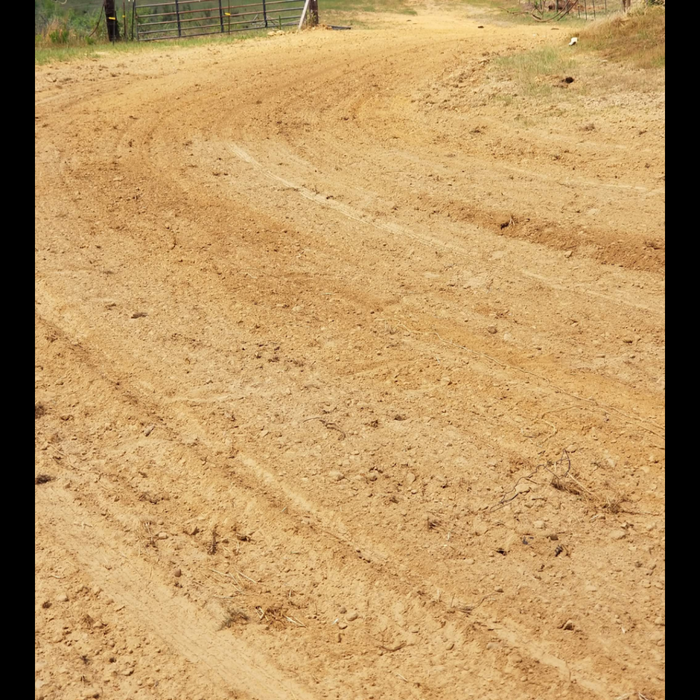
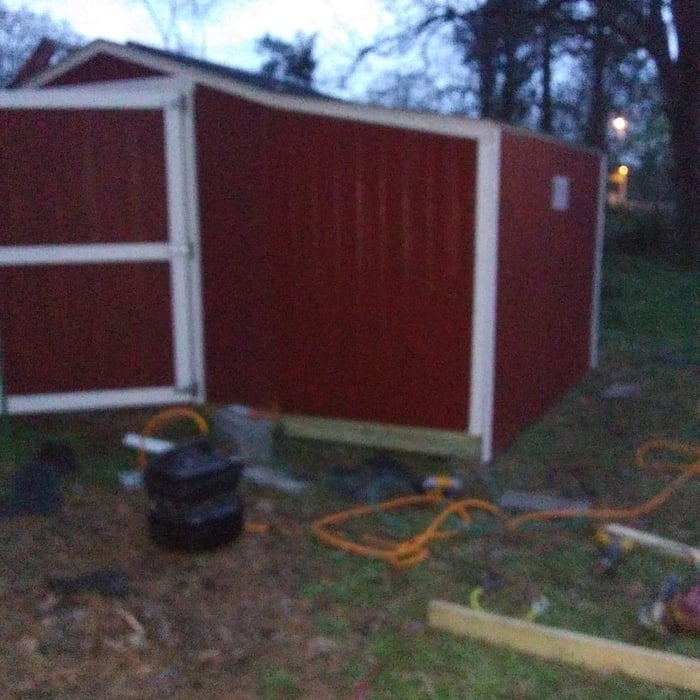
Excavating Project
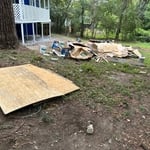
Excavating Project
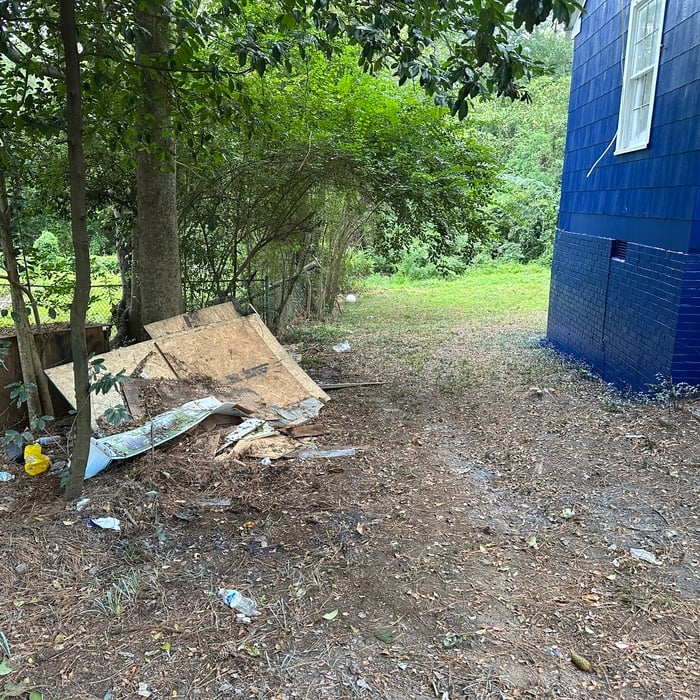
Excavating Project
Excavating Project
Additional Photos

+4

Recommended by100%of homeowners

Showing 1-10 of 38
Excavating questions, answered by experts

A joint utility trench, or joint trench, is a long, buried ditch on a property that contains two or more utility lines rather than running the lines in multiple trenches. Some utilities, like gas and electric or electric and communication lines, are better suited to joint trenching, while others, like water and sewer, are not allowed to be in the same trench.

We recommend removing the stump, and grinding is a popular way to do it. You can also dig out small stumps or stumps that have fully decayed instead of grinding them. However, don’t try using acids or fire for killing a tree stump, which is a fire hazard and illegal in many areas.

Leaving the stump alone invites eventual problems, including attracting termites, mold, and fungi.

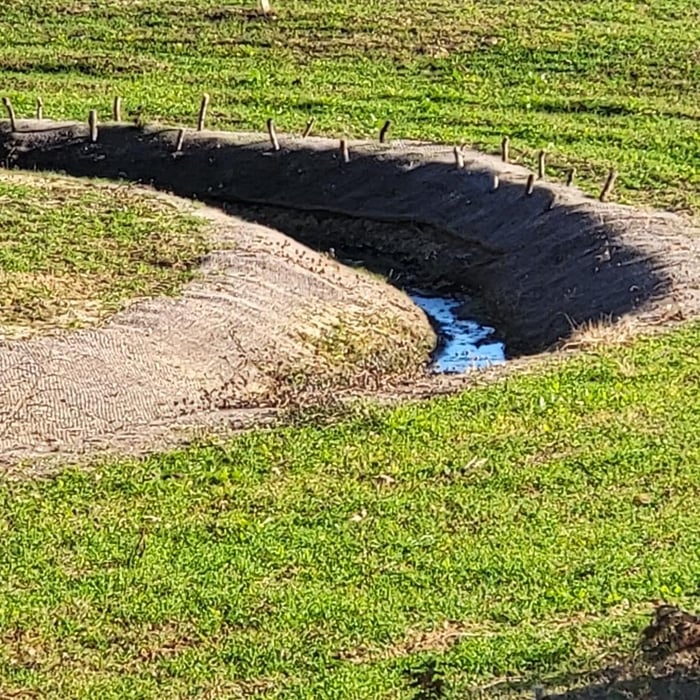
No, a ditch isn’t a trench. A ditch is an open, relatively shallow channel that’s carved out of the ground and used for drainage purposes. In contrast, a trench is a deeper excavation that’s entirely underground. Trenches have many uses, including gas lines, sewage systems, and electrical wiring. Unlike trenches, ditches don’t get filled back in with dirt after they’re dug.

After you successfully remove your boulder, you have a few options for what to do to get rid of it. You can rent a dumpster if your yard has many boulders or if you’re planning a larger project. You can even save the boulder and reuse it elsewhere on your property to save on landscaping costs. A few ideas include using the boulder as a natural, abstract statue, breaking it into smaller pieces to line your garden bed, or offering it to a landscaping company that could reuse it for another project.

There is no standard depth for burying a septic tank; they are typically buried anywhere from 4 inches to 4 feet underground. The final depth depends on several factors, including the depth of your main sewer line, the height of the bedrock, soil type, local regulations, and the property's landscape. If you plan to grow grass or plants over the tank, a depth of at least 4 to 6 inches is recommended. Deeper tanks can be more difficult to locate, but a septic professional can help find it for you.

The Lexington, MS homeowners’ guide to excavation services

From average costs to expert advice, get all the answers you need to get your job done.