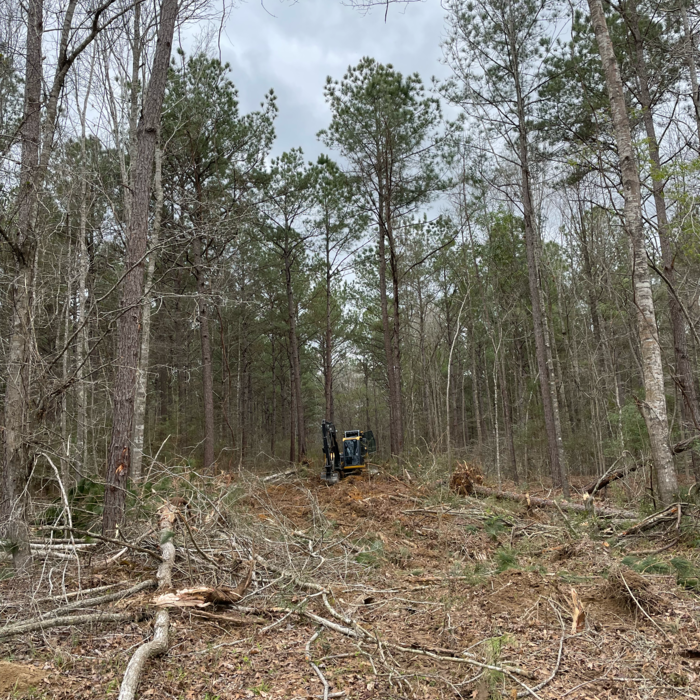




Top-rated excavation pros.

Get matched with top excavation pros in Inverness, MS

Enter your zip and get matched with up to 5 pros

Need a pro for your excavation project in Inverness, MS?

Select your specific project to find the pro for you.

Find Excavation pros in Inverness

Avatar for Thigpen Septic Tank Service
Thigpen Septic Tank Service
4.7(
55
)

Serving Inverness, MS and surrounding areas

Credit card accepted

"Very professional service. Price was as quoted and less than local competitors. Showed up a little late but contacted us to let us know he was running behind first. Took about an hour to complete the work. Would definitely use them again."
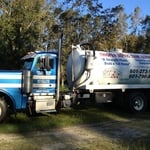
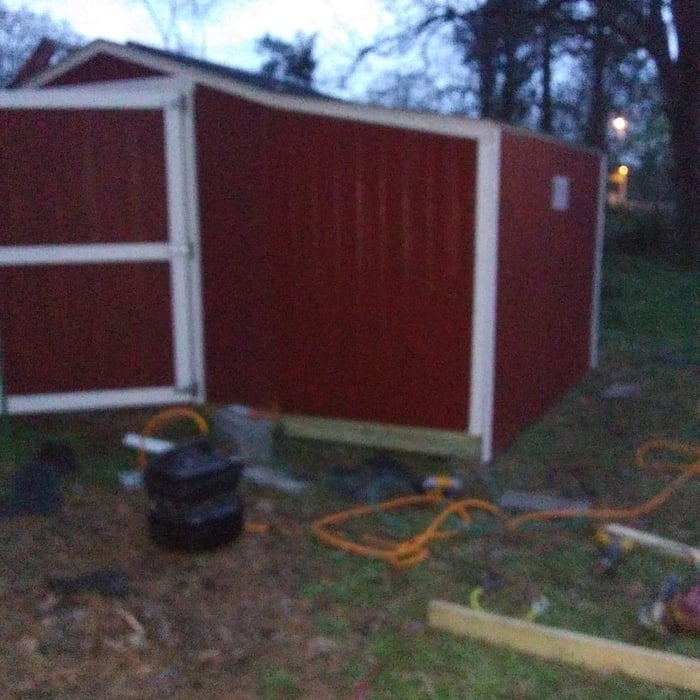
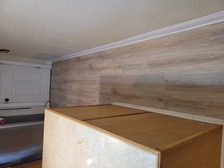
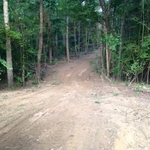
Truck
Truck & Jerrys
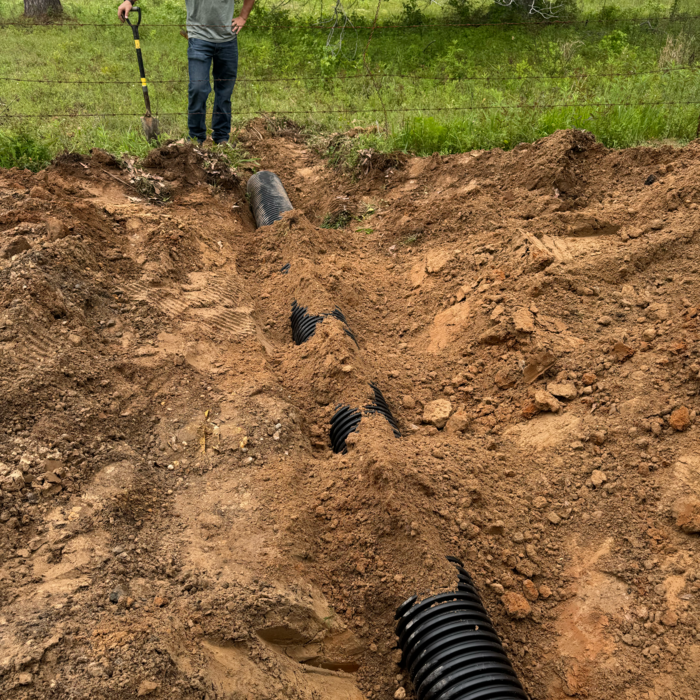
Truck door & Jerrys
Truck
Additional Photos

+5

Recommended by96%of homeowners
Showing 1-10 of 29
Excavating questions, answered by experts

Sewer lines can be buried anywhere from 18 inches to 8 feet deep, with a common average depth between 18 and 30 inches. The exact depth depends on local factors like climate and soil type. In colder regions, pipes must be buried deeper (below the frost line) to prevent freezing, sometimes as deep as 8 feet. The digging depth can also impact the cost of sewer line replacement. To find the specific depth for your property, you can check the building plans for your system, which should be on file with your city or local sanitation department since permits are required for installation.

We recommend removing the stump, and grinding is a popular way to do it. You can also dig out small stumps or stumps that have fully decayed instead of grinding them. However, don’t try using acids or fire for killing a tree stump, which is a fire hazard and illegal in many areas.

Leaving the stump alone invites eventual problems, including attracting termites, mold, and fungi.

To determine whether your homeowners' insurance will cover crawl space repair, consider the cause of the issue. Repair may be covered if the problems were caused by an event that the insurance covers, such as vandalism or a windstorm. However, companies won't cover the repair if the issues are caused by neglect or wear and tear.

No, a ditch isn’t a trench. A ditch is an open, relatively shallow channel that’s carved out of the ground and used for drainage purposes. In contrast, a trench is a deeper excavation that’s entirely underground. Trenches have many uses, including gas lines, sewage systems, and electrical wiring. Unlike trenches, ditches don’t get filled back in with dirt after they’re dug.

The best way to protect tree roots is to avoid the roots entirely by excavating outside the root radius of the tree. For nearby projects, it’s a good idea to construct a temporary retaining wall. But that’s not always possible, depending on the project and the root system. In these cases, consider using alternative equipment like an auger to tunnel under the ground.

Remember, tree roots can damage nearby cement foundations as they grow. If a tree is close enough to interfere with large excavations, it may be better to remove the tree than risk future problems.

The Inverness, MS homeowners’ guide to excavation services

From average costs to expert advice, get all the answers you need to get your job done.