




Top-rated excavation pros.

Get matched with top excavation pros in Anguilla, MS

Enter your zip and get matched with up to 5 pros

Need a pro for your excavation project in Anguilla, MS?

Select your specific project to find the pro for you.

Find Excavation pros in Anguilla

Avatar for Dumpster Dog
Dumpster Dog
5.0(
10
)

Serving Anguilla, MS and surrounding areas

Approved

In business since 2023

Free estimates

Credit card accepted

"If youâ re looking for a business of quality and ethic.. LOOK NO FURTHER!! Easy communication and top notch customer service!"

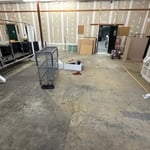
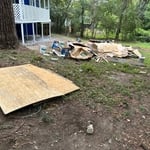
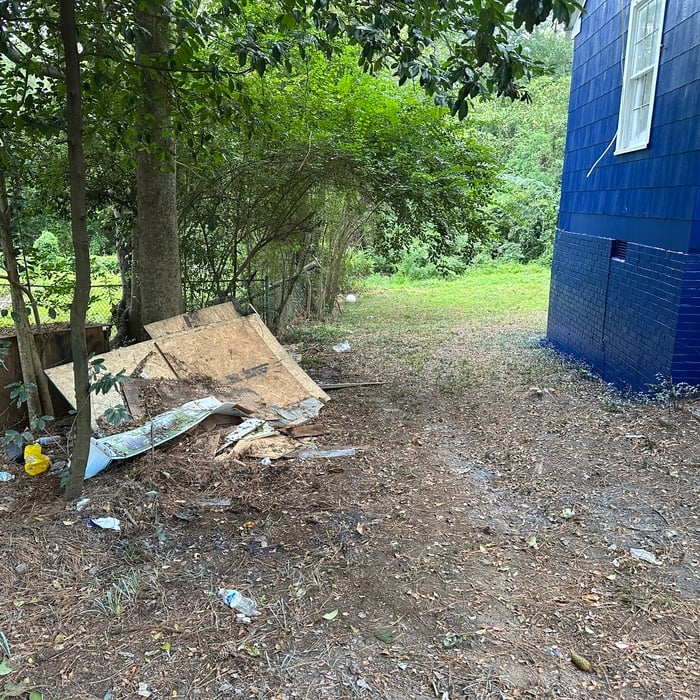
Junk Removal
Junk Removal
Junk Removal
Junk Removal
Junk Removal

+16

Response time10 hrs
36 neighbors recently requested a quote
Recommended by77%of homeowners

Avatar for Thigpen Septic Tank Service
Thigpen Septic Tank Service
4.7(
55
)

Serving Anguilla, MS and surrounding areas

Credit card accepted

"Very professional service. Price was as quoted and less than local competitors. Showed up a little late but contacted us to let us know he was running behind first. Took about an hour to complete the work. Would definitely use them again."
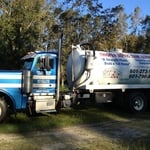
Truck
Truck & Jerrys
Truck door & Jerrys
Truck
Additional Photos

+5

Recommended by96%of homeowners
Showing 1-10 of 23
Excavating questions, answered by experts

The digging depth will depend on the size of the trencher you use. Even smaller units can dig up to 4 feet deep, which is plenty for a DIY job. However, much larger trenchers can reach a depth of 18 feet and are better used by a team of pro contractors, not a single DIYer. As with all home improvement projects, use the right tool for the job and proceed with caution.

You do not have to dig footers for a deck as long as it meets local code and holds up to weather in your area. If you live somewhere that experiences high winds and earthquakes, you may need to dig for your deck posts. Deck blocks, post anchors with base plates, and helical pile systems are the three no-dig deck post options you can choose from if local code permits.

Yes, trenchers can go through gravel. Gravel is made up of smaller, softer rocks that certain trenchers are able to cut through. Just be sure to use a rock wheel trencher or chain trencher, both of which are made to cut through rocky landscapes and gravel pathways without dulling the teeth or chain.

Most residential basements are 8 to 10 feet deep. You can dig deeper depending on building codes, but it does become more difficult. You’ll likely need to install stronger foundation walls and additional supports to handle the increased load. Depending on the water table, you may also need a water management system. Clay soil can support a deeper foundation than sandy soil. A structural engineer will be able to tell you the maximum, feasible depth.

Trenching and boring are two distinct methods for installing underground utilities. Trenching involves digging a channel using equipment like an excavator, trencher, backhoe, or shovel. While it is a simpler process, it causes significant disruption to the surface, landscaping, and surrounding ecosystems.

Boring, also known as directional boring, is a less invasive alternative that uses a drill to create a tunnel for utility lines without disturbing the surface. This method is more precise and is ideal for installations that need to go underneath buildings, roads, or bodies of water. Although boring is less disruptive, it is generally more expensive than trenching.

The Anguilla, MS homeowners’ guide to excavation services

From average costs to expert advice, get all the answers you need to get your job done.