





Top-rated excavation pros.

Get matched with top excavation pros in Carthage, MS

Enter your zip and get matched with up to 5 pros

Need a pro for your excavation project in Carthage, MS?

Select your specific project to find the pro for you.

Find Excavation pros in Carthage

Avatar for Sandhill Services
Sandhill Services
5.0(
12
)
Building Site - Preparation and ClearingExcavation - Major Grading or Resloping

Serving Carthage, MS and surrounding areas

In business since 2023

Free estimates

Offers commercial services

"They completed the job on time and did everything I asked for. They were good and all the finishing touches and left things better than they found them. Would recommend them to anyone in the future for site clearing or excavation."
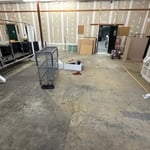
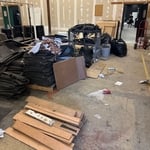
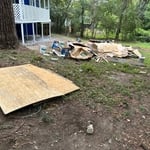
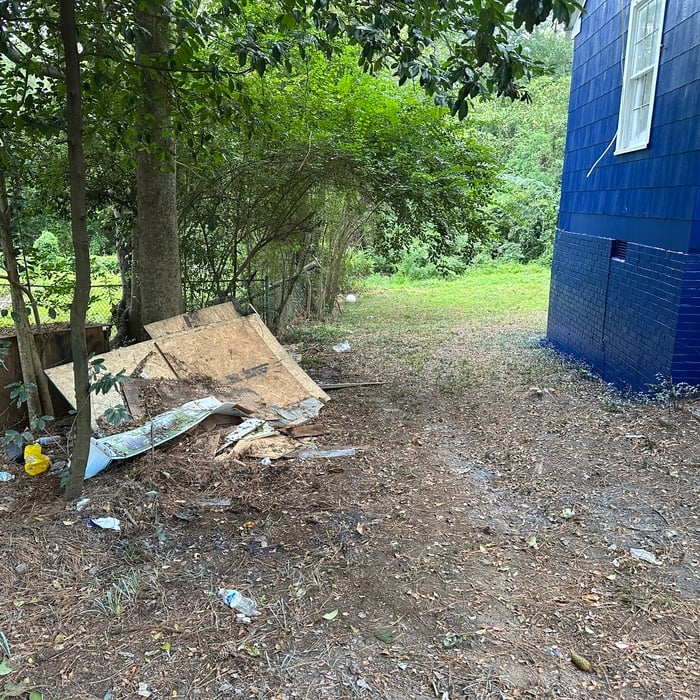
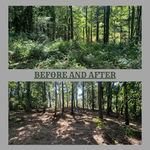
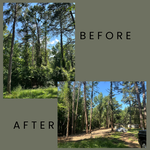
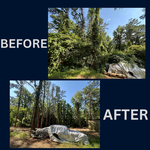
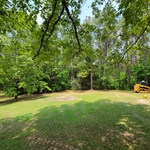
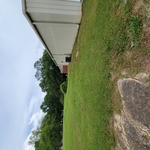
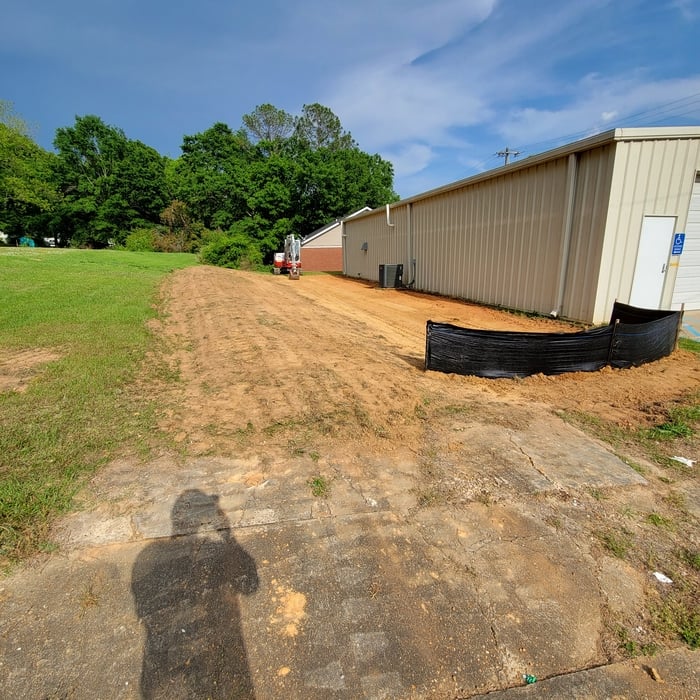
Before and after
Before and after
Before and after
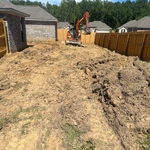
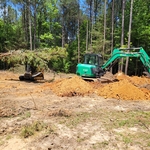
During sod removal
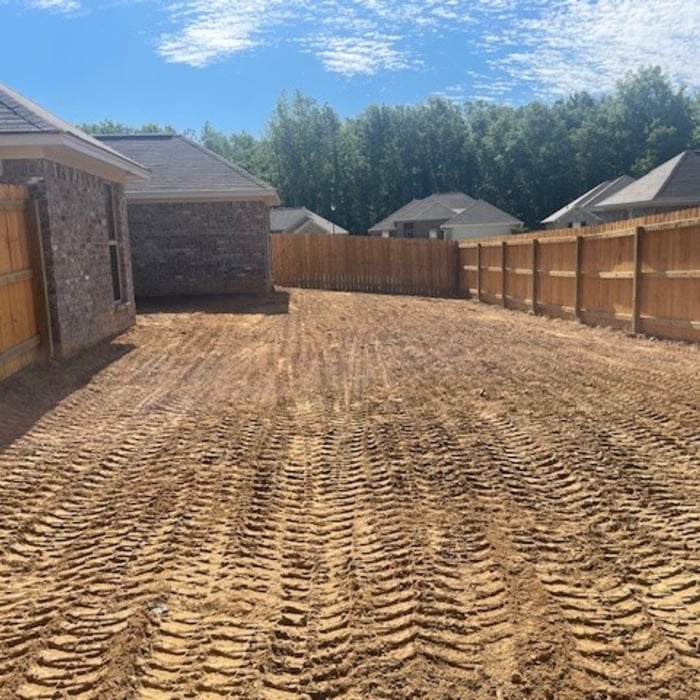
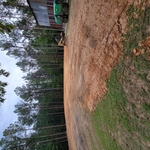
Job completed

+3

Response time11 hrs
Recommended by75%of homeowners
...
Showing 1-10 of 51
Excavating questions, answered by experts

A perc test can take anywhere from one to eight hours to complete. The total time depends on factors like the amount of excavation required, the depth and width of the holes, and whether multiple test holes are needed. For a single hole, the process of filling it with water and monitoring the drainage rate usually takes less than an hour. Professionals can often complete the entire test in a single day. While it's possible to get results the same day, some companies may take a few days to provide the official report.

Completion time ranges from days to weeks, contingent on project size, environmental conditions, and regulatory approvals.

Yes, trenchers can go through gravel. Gravel is made up of smaller, softer rocks that certain trenchers are able to cut through. Just be sure to use a rock wheel trencher or chain trencher, both of which are made to cut through rocky landscapes and gravel pathways without dulling the teeth or chain.

Excavation is priced in cubic yards, so you’ll need to find the volume of the area in order to calculate costs. Multiply the length, width, and proposed depth of your excavation site, then convert it into yards to get the volume. Multiply this figure by the price per cubic yard.

Most homeowners can measure by hand to get a rough estimate, even if it’s tedious. You may want to pull out a tape measure or use a string to help mark the area.
The best type of soil to build on is a mixture of sand and clay, known as loam soil. Loam soil has the best combination of these soil types to build a foundation on. The clay particles help with water retention, so it won’t erode like sandy soil might, and the sandy particles help with drainage, so you won’t see unsafe soil expansion or have an increased risk of leaks from water sitting against your foundation.

The Carthage, MS homeowners’ guide to excavation services

From average costs to expert advice, get all the answers you need to get your job done.