





Top-rated excavation pros.

Get matched with top excavation pros in Greenville, MS

Enter your zip and get matched with up to 5 pros

Need a pro for your excavation project in Greenville, MS?

Select your specific project to find the pro for you.

Find Excavation pros in Greenville

Cow Creek Construction
5.0(
2
)
Building Site - Preparation and ClearingBuilding Site - Preparation and Clearing - For BusinessExcavation - Major Grading or Resloping+2 more

Serving Greenville, MS and surrounding areas

Free estimates

Emergency services offered

Credit card accepted

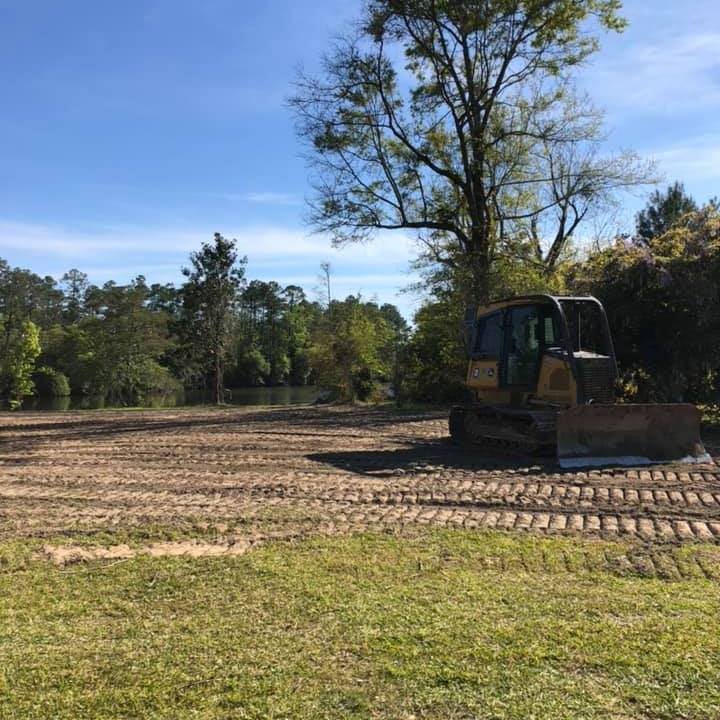
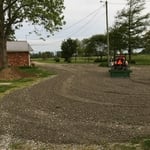
"I needed about 20 acres cleared to turn into pasture land. They came out back in February 2022, did an absolute amazing job for a great price. Will most definitely recommend them to everyone!"
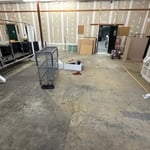
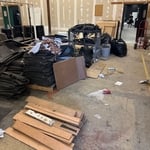
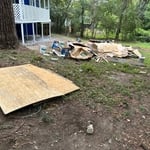
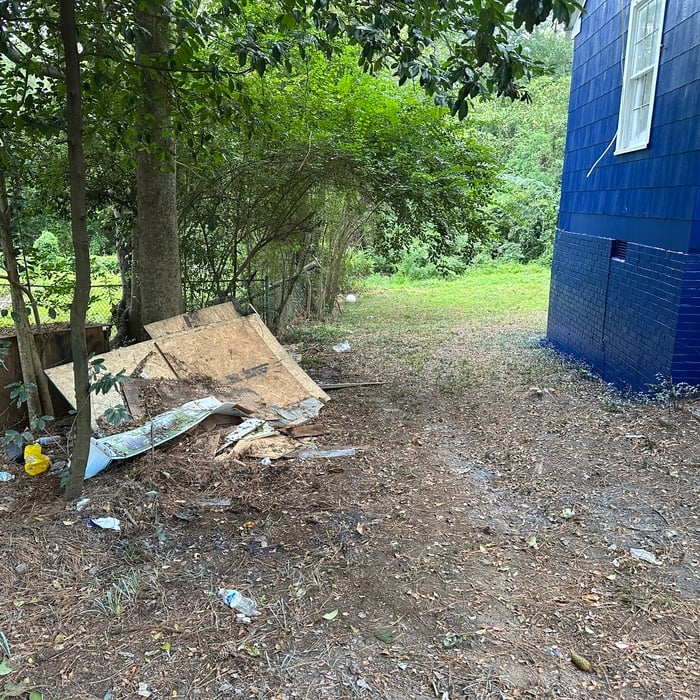
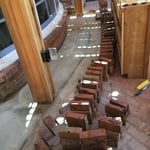
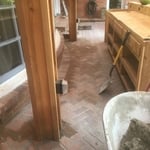
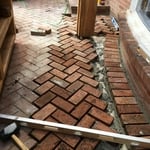
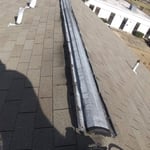
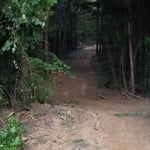
Excavating Project
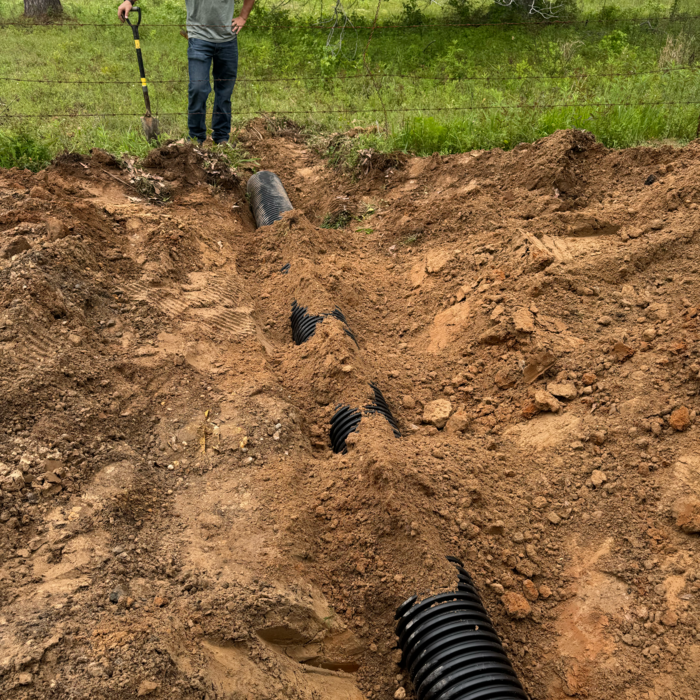
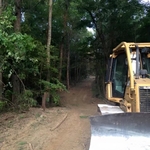
Excavating Project
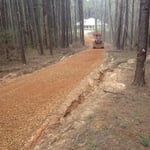
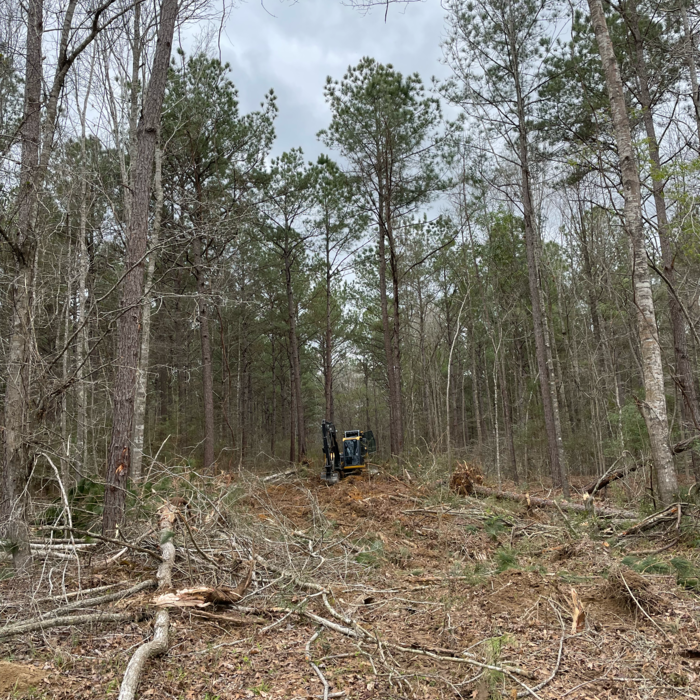
Excavating Project
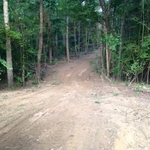
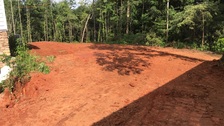
Excavating Project
Additional Photos

+4

Recommended by100%of homeowners
Overby Dozer and Land Service
New to Angi
Building Site - Preparation and ClearingBuilding Site - Preparation and Clearing - For BusinessExcavation - Major Grading or Resloping+1 more

Serving Greenville, MS and surrounding areas

In business since 2020

Free estimates

Credit card accepted

With several years experience, we work hard to bring each customer the best possible service and quality available. We look forward to working with you on your next project. We welcome your questions and thank you for your interest.\n

Response time8 hrs
Response rate100%
Showing 1-10 of 30
Excavating questions, answered by experts

No, you typically cannot use metal detectors to find your sewer line. Most sewer lines are made of non-metallic materials such as PVC, clay, or cast iron, which are not detectable by standard metal detectors. Metal detectors are designed to locate metallic objects, so they won't be effective for identifying the path of a non-metallic sewer line. To locate your sewer line accurately, it's best to use other methods.

Yes, trenchers can go through gravel. Gravel is made up of smaller, softer rocks that certain trenchers are able to cut through. Just be sure to use a rock wheel trencher or chain trencher, both of which are made to cut through rocky landscapes and gravel pathways without dulling the teeth or chain.

Call 811 to locate and mark the gas lines at least three days before digging. In many areas, you can dig within 18 inches of the lines, though in some locations, the distance may be further. Check local regulations, as you may need a utility company representative onsite when digging. Document your calls to 811 and precautions taken to avoid gas lines. A homeowner can be held liable for hitting a gas line in some cases, but contacting the proper authorities and following all guidelines can offer protection.

Septic drain lines (or leach lines) are typically buried between 18 and 36 inches underground, and should be at least 6 inches below the surface. These pipes are perforated and surrounded by filtering materials like sand or gravel. Burying the lines at this depth helps minimize odors and allows bacteria and other biological processes in the soil to effectively treat the wastewater. Burying lines too close to the surface can cause issues unless the soil is very compact and stable.

Underground downspouts refer to the sections of downspout extensions that lead away from your home and gutter system. While they cost more than traditional extensions, they can provide several benefits, such as less frequent damage and no need to move them for lawn care tasks. Whether they're worth it or not depends on your budget at installation time and how much convenience they'll add to your situation.

The Greenville, MS homeowners’ guide to excavation services

From average costs to expert advice, get all the answers you need to get your job done.