




Top-rated insulation pros.

Get matched with top insulation pros in Itta Bena, MS

Enter your zip and get matched with up to 5 pros

Need a pro for your insulation service project in Itta Bena, MS?

Select your specific project to find the pro for you.

Find Insulation pros in Itta Bena

Avatar for Queen City Insulation Co Inc
Queen City Insulation Co Inc
5.0(
4
)
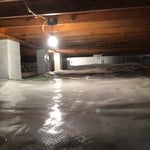
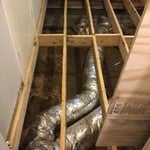
Batt, Rolled or Reflective Insulation - Install or UpgradeBlown-In Insulation - Install or UpgradeInjection Insulation - Install+2 more

Serving Itta Bena, MS and surrounding areas

"The receptionist took the call and told me to expect a all from the technician. He called back immediately to set up an appointment. Greg was quick and professional. I plan to hire them again if I need anything. I went into their office to pay the bill and the receptionist was very helpful and pleasant."
Additional Photos
Additional Photos
Additional Photos
Additional Photos
Additional Photos

+3

Recommended by100%of homeowners
Avatar for ADT Solar
ADT Solar
4.4(
111
)
Batt, Rolled or Reflective Insulation - Install or UpgradeBlown-In Insulation - Install or UpgradeInjection Insulation - Install+2 more

Serving Itta Bena, MS and surrounding areas

In business since 2008

Free estimates

Warranties offered

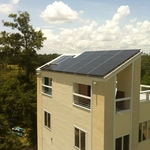
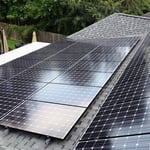
"Rep. checked entire system. He found several wires not connected properly and fixed this. He also made recommendations regarding the attachment of the panels to the rood that would provide more stability and leakproofing. The representative appeared to know what he was doing - much better than others, including the representative who was engaged by the roofer (who replaced our rood due to hail damage) to disconnect/connect the panels."
11 kW PV Installation
5 kW PV Installation
9.5 kW PV Installation
Recommended by89%of homeowners
Showing 1-10 of 20
Insulation questions, answered by experts

It’s technically possible to install loose-fill cellulose insulation without a blower, but it’s much more time-consuming, tedious, and dangerous. You’ll need to wear the proper protective coverings to handle the cellulose after it’s been doused in boric acid; use a shovel when you can to transport the material from the bag into the wall cavity.

That said, if you purchase cellulose materials at a home improvement store, ask if they rent out blowers for free or at a discounted rate. In many cases, if you buy the material from the store, they’ll rent out the blower at no extra cost.

Structural insulated panels and rigid foam boards have the highest R-value of any insulation that contractors commonly use, with R-values reaching up to around 8.0. These types of insulation are best in extremely cold climates, but they’re generally preferred for new construction, as they can be challenging to retrofit. Blown-in and loose fill insulation provide the next best insulative value, provided the installation is done properly. It’s important to choose an insulation type that meets your needs based on climate, as maximizing R-value may not always be financially worthwhile if you live in a moderate climate.

The most obvious con of injection foam is the cost. It’s much more expensive to install than fiberglass or spray foam, but it may be your only option (unless you want to remove entire walls around the home). Another con is that it involves drilling into existing material, which has to be repaired after the foam is injected. Some injection foams are made from products that aren’t environmentally friendly, and improper installation can lead to trapped moisture, which can lead to expensive mold remediation down the road. 

Whether you should remove old insulation before blowing in new insulation depends on your particular situation. Fiberglass insulation attracts insects and mold over time, so if it has been decades since your last insulation upgrade, consider removing the old materials before placing the new ones. However, most types resist mold, insects, and mildew, so once you get the go-ahead from your contractor that your space is free from all three, feel free to install the new insulation directly on top of the pre-existing materials.

A dehumidifier can reduce condensation on your ductwork by lowering humidity levels in the air. Condensation occurs when humid, warm air makes contact with cold ducts. A dehumidifier can help maintain your home's indoor humidity below or around 50%, minimizing moisture buildup. However, if condensation is caused by leaks, cracks, or other damage, a dehumidifier won’t solve the problem. 

The Itta Bena, MS homeowners’ guide to insulation services

From average costs to expert advice, get all the answers you need to get your job done.