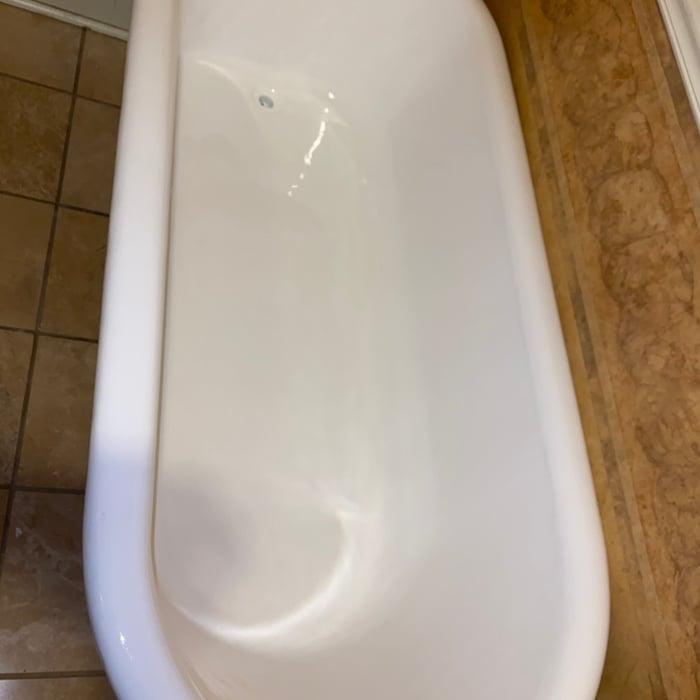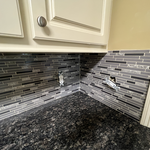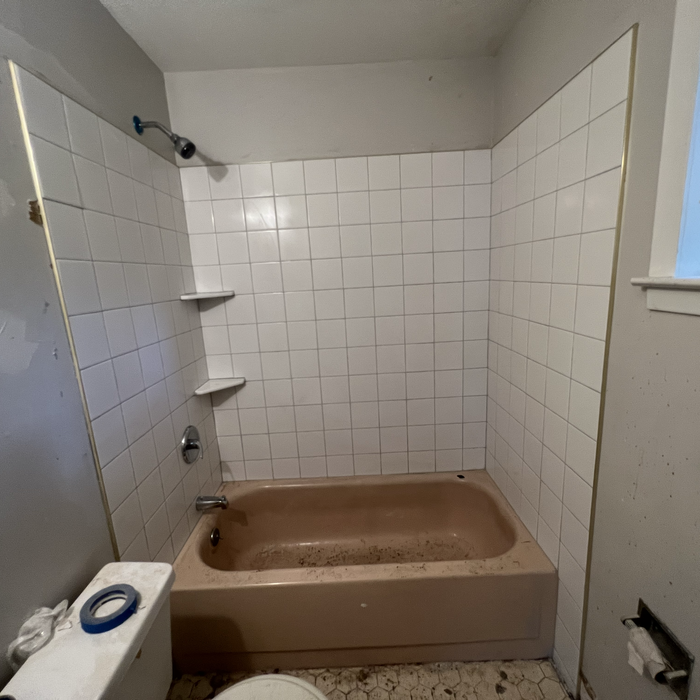









Top-rated marble restoration pros.

Get matched with top marble restoration pros in Florence, MS

Enter your zip and get matched with up to 5 pros

TRUSTED BY FLORENCE, MS HOMEOWNERS

  • Average homeowner rating star icon4.6
    Average homeowner rating
  • Verified reviews icon133
    Verified marble restoration services reviews

Find Marble restoration pros in Florence

Top Notch Granite
5.0(
3
)
Stone Slab Countertops - Repair (Granite, Marble, Quartz, etc)

Serving Florence, MS and surrounding areas

In business since 2012

Free estimates

Credit card accepted

Here at Top Notch Granite, we pride our company on reliability, great communication, integrity, and quality work. We are experts in our trade and will do our best to keep you as educated as we can on your particular task or project. We look forward to earning your business! Feel free to book online with us today!

Recommended by100%of homeowners
...
Showing 1-10 of 55
Marble Restoration questions, answered by experts

Quartzite countertops are porous, meaning that liquids can seep into the stone and stain them. You’ll need to seal them before installing and resealing annually, depending on use and stone material. Sealing will help prevent stains and etching. On the other hand, you don’t need to seal quartz and other engineered stone countertops since they aren’t porous.

Rubbing alcohol won’t damage most countertops, and you can mix it with water to create a disinfecting spray to keep your kitchen clean. It’s safer than using bleach on countertops, which can stain and cause discoloration. Be careful with rubbing alcohol when it comes to lacquered or varnished surfaces, though.

Marble is a porous natural stone that needs sealant to minimize staining. Leaving this type of countertop material sealant-free means any liquids left on the surface will quickly absorb into the stone, discoloring it and dulling the sheen. Dark or acidic liquids, like red wine, coffee, and lemon, are the worst culprits. 

There are a few ways to remove calcium buildup in your pipes, but the most natural option involves vinegar, baking soda, and boiling water. To use this method, pour 1/2 cup of vinegar down the drain you're trying to clear, then follow it up with 1/2 cup of baking soda. Place a rag over the drain to create a light seal and leave it for 30 minutes. Remove the rag, then pour a pot of boiling water into the drain. After the water drains, wipe everything down with a sponge.

Since cesspits must be watertight to prevent leakage and contamination, so they’re typically constructed from one of a few tough materials. Most cesspits are made from fiberglass, concrete, polythene, or steel. Each of these materials carries certain advantages—fiberglass, for example, is resistant to corrosion but may be more prone to cracking if it’s at high capacity.

The Florence, MS homeowners’ guide to marble restoration services

From average costs to expert advice, get all the answers you need to get your job done.