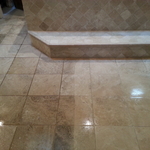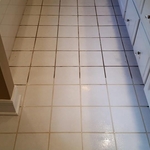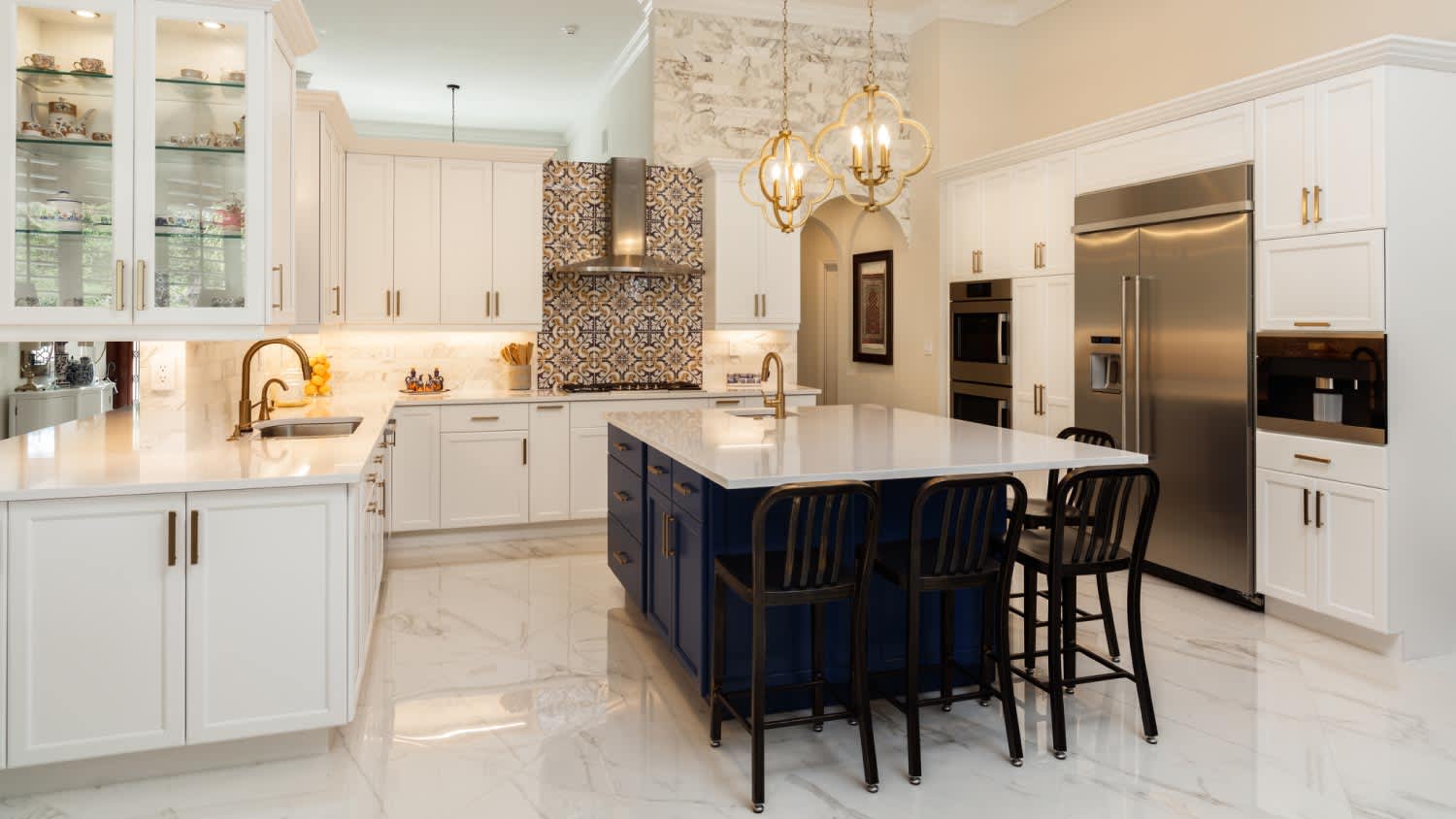







Top-rated marble restoration pros.

Best marble restoration pros near Brandon, MS

Enter your zip and get matched with up to 5 pros

TRUSTED BY BRANDON, MS HOMEOWNERS

  • Average homeowner rating star icon4.4
    Average homeowner rating
  • Verified reviews icon225
    Verified marble restoration services reviews

Top-Rated Marble restoration pros in Brandon - Updated Nov 2026

Top Notch Granite
5.0(
3
)
Stone Slab Countertops - Repair (Granite, Marble, Quartz, etc)

Serving Brandon, MS and surrounding areas

In business since 2012

Free estimates

Credit card accepted

Here at Top Notch Granite, we pride our company on reliability, great communication, integrity, and quality work. We are experts in our trade and will do our best to keep you as educated as we can on your particular task or project. We look forward to earning your business! Feel free to book online with us today!

Recommended by100%of homeowners
...
Showing 1-10 of 64
Marble Restoration FAQs, answered by experts

Granite is heavier than quartz, since it has a higher density. Quartz is made up of engineered stone, which is why it tends to weigh less than granite. Most granite countertops are ¾-inch thick and weigh about 13 pounds per square foot.

Cracks are usually repaired using an epoxy filler that matches the countertop's color. The area is cleaned, the epoxy applied, and then polished to blend with the surface, restoring both strength and appearance.

It is not recommended to put a hot pan directly on a marble countertop. While marble is heat-resistant, it is not completely heat-proof, and extreme or prolonged exposure to high heat can cause discoloration, cracking, or chipping. Pans may also scratch or nick the surface. To protect your countertop and maintain its integrity, always use trivets or hot pads. Note that faux marble finishes do not resist heat and require protection from hot items at all times.

Professionals use resin fillers, diamond polishing pads, and sealants to restore the surface.

Since cesspits must be watertight to prevent leakage and contamination, so they’re typically constructed from one of a few tough materials. Most cesspits are made from fiberglass, concrete, polythene, or steel. Each of these materials carries certain advantages—fiberglass, for example, is resistant to corrosion but may be more prone to cracking if it’s at high capacity.

The Brandon, MS homeowners’ guide to marble restoration services

From average costs to expert advice, get all the answers you need to get your job done.