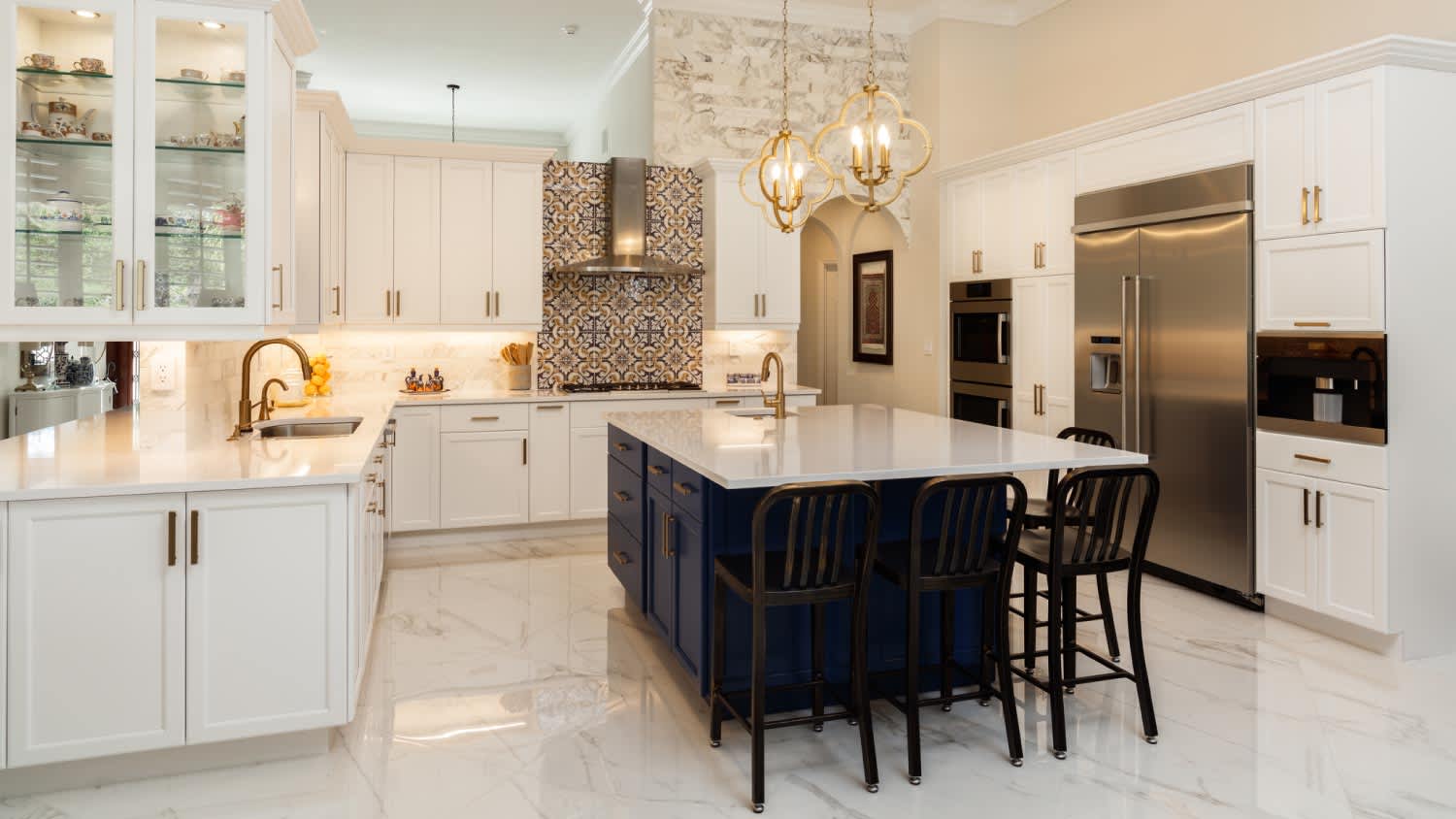








Top-rated marble restoration pros.

Get matched with top marble restoration pros in Flowood, MS

Enter your zip and get matched with up to 5 pros

Need a pro for your marble restoration project in Flowood, MS?

Select your specific project to find the pro for you.

TRUSTED BY FLOWOOD, MS HOMEOWNERS

  • Average homeowner rating star icon4.6
    Average homeowner rating
  • Verified reviews icon16
    Verified marble restoration services reviews

Find Marble restoration pros in Flowood

Marlontile
New to Angi
Tile: Natural Stone (Granite, Marble, Slate, Quartz, etc) - Repair

Serving Flowood, MS and surrounding areas

Approved

In business since 2009

Credit card accepted

Offers commercial services

We uphold a standard of integrity bound by fairness, honesty, and personal responsibility. Our distinction is the quality of service we bring to our customers. Accurate knowledge of our trade combined with ability is what makes us true professionals. Above all, we are watchful of our customers interests, and make their concerns the basis of our business. \n\n

...
Showing 1-10 of 65
Marble Restoration questions, answered by experts

You can cut granite countertops after installing them, but you need to consider the mess it will make. Dust will be everywhere, and lots of protective gear will be required. On top of that, you will need to measure meticulously to make sure the cuts you make are perfect; otherwise, you’ll be stuck having to replace the entire slab of granite, which is a much bigger job. 

A water-based, low- or no-VOC sealer is typically a good choice for marble countertops. Choose a sealant that is certified safe for contact with food when applying to kitchen countertops. For high-traffic areas, look for formulas that have heat-resistant and acid-resistant features. While there are economical and convenient spray-on sealers, they don’t coat the surface as effectively as the ones you apply with a pad or brush. 

The frequency for sealing granite countertops depends on several factors, including the type of sealant used, the color of the granite, and how heavily the countertops are used. As a general guideline, resealing is often recommended every 12 to 18 months, but some sources suggest it could be as often as every few months or at least once a year.

The type of sealant is a major factor: water-based sealants may need reapplication every six months to a year, while more durable solvent-based sealants can last for five to 10 years. Additionally, factors like heavy kitchen traffic, frequent use of acidic cleaners, and lighter granite colors may require more frequent sealing to prevent staining.

To determine if your countertops need resealing, you can perform a simple water test. Place a few drops of water or a wet paper towel on an inconspicuous area of the granite. After 10 to 15 minutes, check the spot. If the water has beaded up, the seal is still intact. If the water has been absorbed and darkened the stone, it's time to apply a new coat of sealant. You can choose to seal the granite yourself or hire a professional to ensure it's done correctly.

Yes, limestone often turns yellow over time when improperly cared for. The stone contains natural iron deposits, which can oxidize when exposed to water, acids, or harsh chemicals, such as bleach. Without exposure to water or chemicals, limestone should not turn yellow. Always seal limestone countertops to protect them from moisture, and only use gentle cleansers designed for stone.

Yes, in some instances, homeowners can have their heat-damaged quartz countertops repaired. However, it greatly depends on the severity. A pro can buff out minor discolorations. Epoxy kits are also available to fix minor cracks. Sadly, deep burns causing extreme resin damage may require a complete replacement.

The Flowood, MS homeowners’ guide to marble restoration services

From average costs to expert advice, get all the answers you need to get your job done.