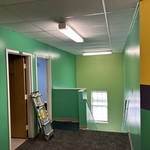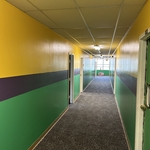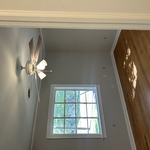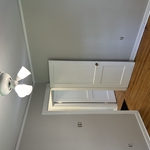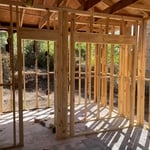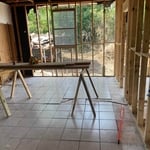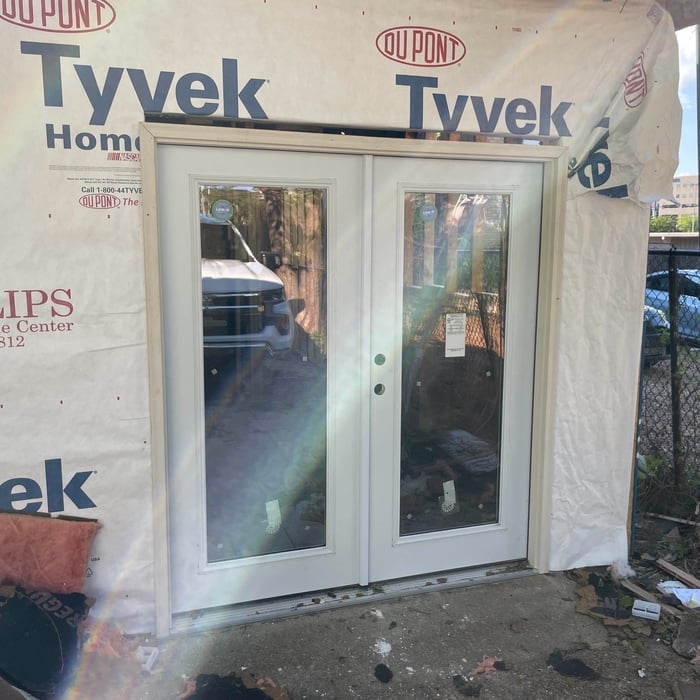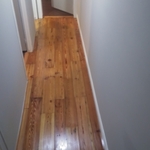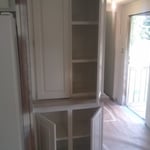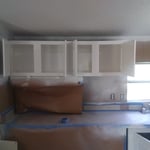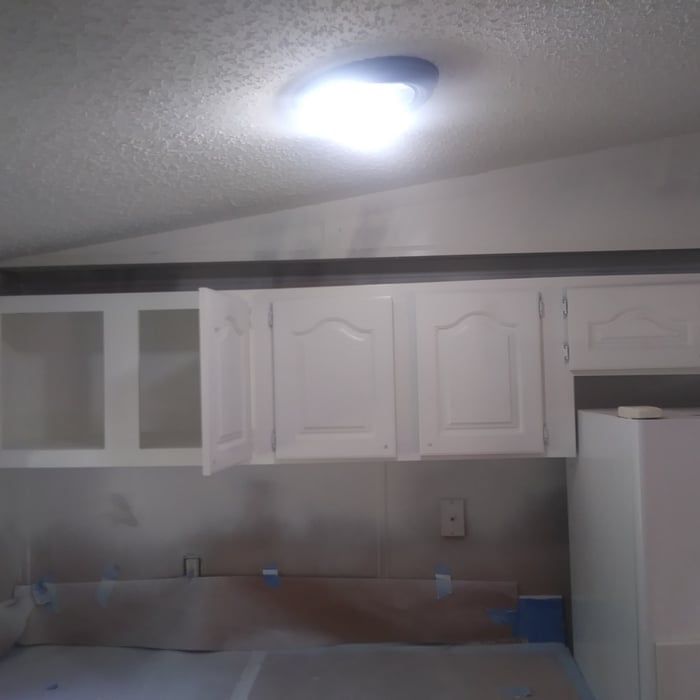




We take great pride in our experience, expertise, quality, and customer service that we provide to meet the consumers needs. It is our mission to provide excellent workmanship and complete customer satisfaction from start to completion of a project. In order to understand the needs and expectations of our customers, we take great care to work and communicate with every customer in a professional manner. Our reputation is based on service, safety, and quality, regardless of how large or small the job.\n
My name is Fritz Kinchen and I have been serving the Jackson Ms and surrounding areas since 1991 I am a small painting and drywall contractor that is reliable and professional willing to go the extra mile where service is concerned \n
"We hired Jon McCoy because of the outstanding work he did at my son's home. We had a leak in our back porch ceiling and discovered it was coming from our chimney. Since we had to replace the ceiling, we decided to replace it with vinyl siding. We also decided to have vinyl siding put up on our front porch ceiling. The work was excellent and was finished on time. Jon McCoy is a man of his word. He returns calls promptly and always arrives on time. His work is excellent, and we will continue to use him in the future. I would recommend him to anyone."
"It went great! They painted the inside of my whole house. I was very pleased with their quality of work! They were very professional and completed the job in a timely manner! I would definitely recommend these guys!"
"Ben and the guys were very professional! I was pleased with the finished product and would definitely recommend B&R Builders! They did an excellent job!"
If the holes in the plaster are small, you can fill them with layers of patching plaster until they’re filled. After it dries, you can sand the plaster and paint over it. If the hole is much larger, consider using bonding plaster first and then a layer of patching plaster, completing the process with sanding and a layer of paint.
Knowing what causes drywall damage can help stop it before it starts. Here are some of the most common causes of drywall damage:
Water damage from roof leaks or leaky pipes.
Small holes caused by doorknobs, minor accidents, and rodent infestations.
Wall dents stemming from moving furniture and minor accidents.
Wall cracks that form from a settling foundation or seismic activity.
Nail pops from nails and screws in the walls.
Large holes that are caused by accidents with heavy objects, children and pets, or sporting equipment.
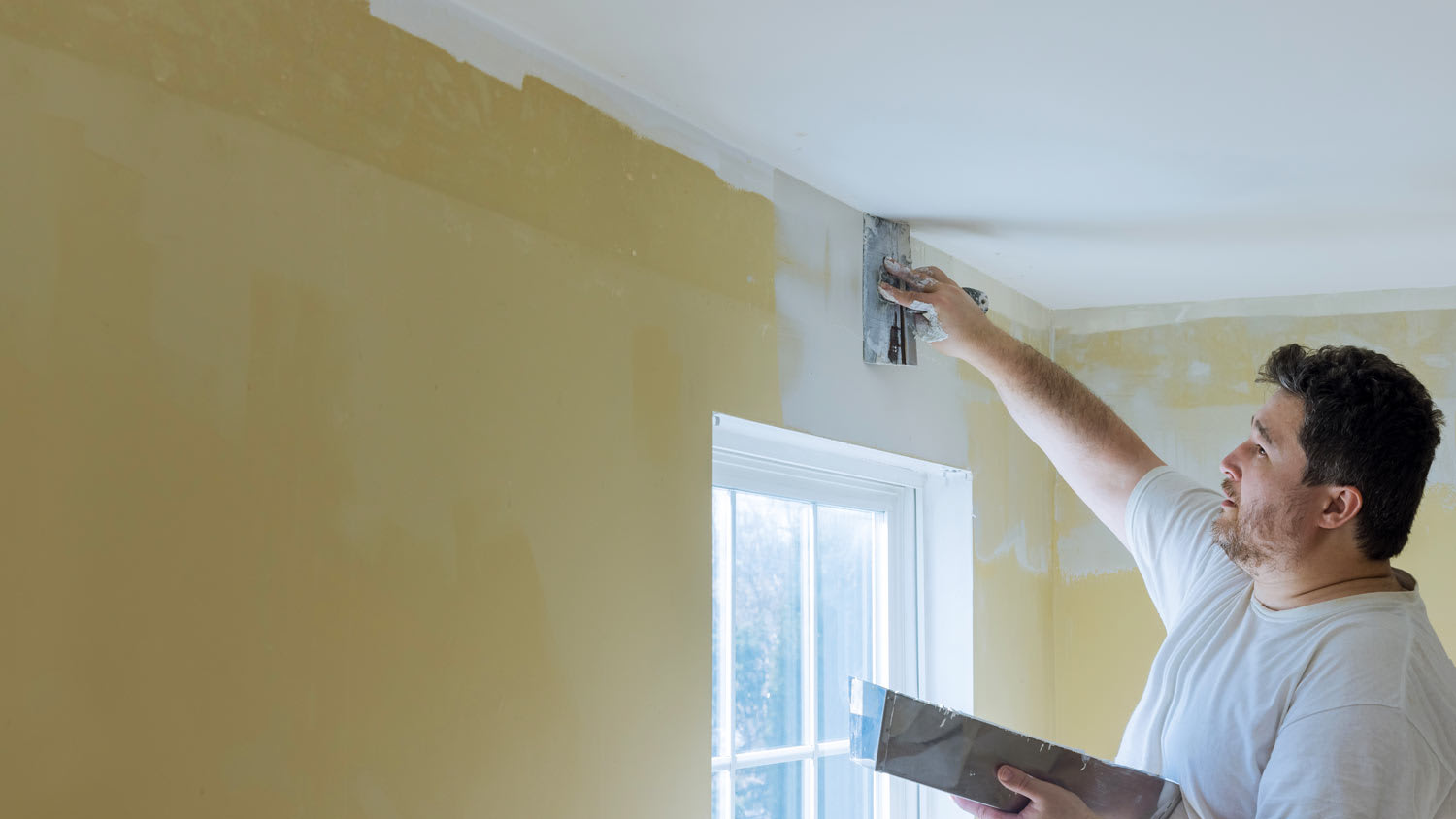
To hide drywall edges, you need to properly apply drywall tape and multiple layers of joint compound. These materials hide the seams between drywall sheets and fill the holes from drywall screws, leaving behind a smooth, flat finish to paint over. Apply joint compound smoothly, and finish the job by sanding the walls to make sure you fully hide drywall edges and other imperfections.
There are several benefits to wet-sanding drywall, but the main perk is that it produces far less dust than dry-sanding. As a result, wet-sanding poses fewer health risks and makes less of a mess in your home. Plus, damp sponges are less abrasive than sandpaper, so there’s a smaller chance of scratching or damaging the drywall paper. Wet-sanding also creates a smoother finish than dry-sanding.
Although they are used for similar tasks, spackle and joint compound are not the same. Joint compound, also known as drywall mud, consists of limestone and gypsum and is primarily used for large-scale projects like taping and finishing seams on new drywall. Spackle is composed of gypsum and binding agents, making it a thicker compound best suited for small wall repairs like filling nail holes or cracks, as it dries quickly and is easy to sand. For small repairs, either product can be suitable. However, you can use joint compound for small jobs in place of spackle, but you cannot use spackle for large-scale taping and mudding projects.
The Edwards, MS homeowners’ guide to drywall services
From average costs to expert advice, get all the answers you need to get your job done.
Installing drywall is the most common way to finish your home’s interior. Use this drywall installation cost guide to see what your project is likely to cost.
Whether you want to spruce up a few dents and dings or fix a large surface area, investing in drywall repair costs can return your walls to a smooth, flush look.
Can you put drywall over drywall to cover old, damaged or cracked plaster walls? Read our guide to determine if this is the right solution for your walls.
The terms drywall and Sheetrock are often used interchangeably, but one is a brand and one is a specific product. Find out which one you need in this guide.