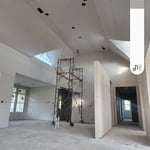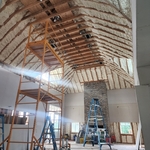




Top-rated drywall pros.

Get matched with top drywall pros in Richmond, LA

Enter your zip and get matched with up to 5 pros

Need a pro for your drywall service project in Richmond, LA?

Select your specific project to find the pro for you.

Find Drywall pros in Richmond

Slim's Handyman Services
4.0(
16
)
Drywall - Repair

Serving Richmond, LA and surrounding areas

In business since 2004

Free estimates

"The handyman finished the project on time. He explained very well what heâ s going to do and what he did. His quote was reasonable. Heâ s very friendly and honest. I ended up having him fix the gap between the wall and my garage door which he fixed on the same day as my first project. I highly recommend Mr. Slim!"
Response time3 hrs
Recommended by92%of homeowners
Avatar for Transformations by Bennett
Transformations by Bennett
5.0(
4
)
Drywall - InstallDrywall - Install - For BusinessDrywall - Repair+1 more

Serving Richmond, LA and surrounding areas

In business since 2013

Free estimates

Emergency services offered

I have been in business since 2013. I have experience in interior and exterior painting. I have experience in painting Antebellum homes. I can also do any type of wood staining. Please contact me for a quote. I look forward to working with you!

Additional Photos
Additional Photos
Additional Photos
Additional Photos
Additional Photos

+3

Recommended by100%of homeowners
B & W Quality Painting
3.7(
3
)
Drywall - Repair

Serving Richmond, LA and surrounding areas

In business since 2017

Free estimates

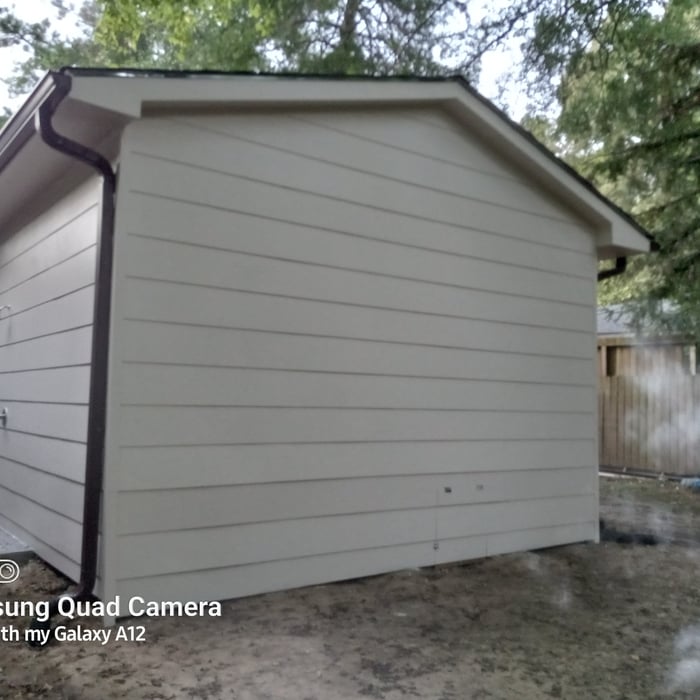
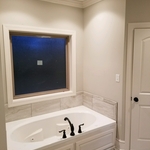
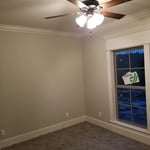
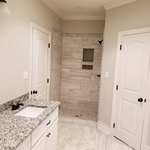
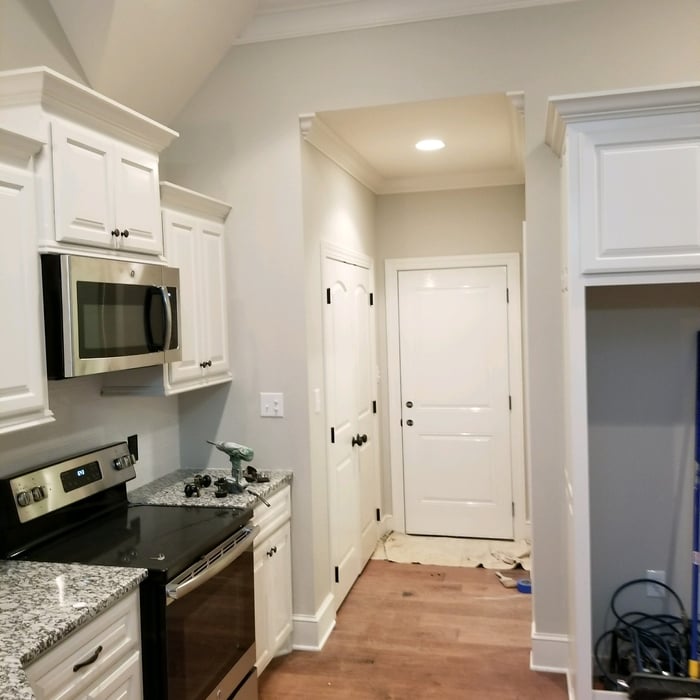
Every customer that chooses B & W for their painting needs will get the best job possible for thei money. We are professionals and we take pride in what we do. We care about our work and we treat every customer as if they were family. We specialize in interior but do exterior as well, from fencing,porches,shutters, garages ,etc.Anything that needs painting,we've got you covered. B&W brings life back into every job that we do, we give a whole new meaning to painting. Our customers are always satisfied and always will be. Done right the first time or your money back guaranteed.

living room entertainment center
ruston spec house
ruston spec house
ruston spec house
ruston spec house

+8

Response time8 hrs
Response rate95%
Recommended by100%of homeowners
Showing 1-10 of 48
Drywall questions, answered by experts

Whether you can reuse a drywall anchor depends on its type, material, and how it is removed. Plastic anchors, such as expansion or self-drilling types, are generally considered single-use because they are designed to expand and are likely to break or become deformed upon removal. Metal anchors, like toggle bolts, are more durable and can often be reused if they are not damaged during extraction. However, with toggle bolts, the toggle mechanism can fall inside the wall when the bolt is removed, making it difficult to retrieve. If an anchor is damaged or must be cut for removal, it cannot be reused regardless of its material.

Although they have similar applications, spackle and joint compound are not the same. Their primary differences lie in their composition, consistency, and ideal use cases.

Spackle is composed of gypsum and binding agents, making it thicker than joint compound. It dries quickly and is easy to sand, which makes it ideal for small wall repair projects like filling nail holes or patching minor damage.

Joint compound, also known as drywall mud, consists of limestone and gypsum. It is primarily used for large-scale projects, such as taping and finishing the seams on newly installed drywall. It tends to shrink more than spackle and can be more difficult to spread.

While both products can be used to fill small depressions and cracks, spackle cannot replace joint compound for taping and mudding new drywall. Conversely, you can often use joint compound for small patching jobs typically done with spackle.

The two most common drywall thicknesses for ceilings are 1/2-inch and 5/8-inch. For most standard residential applications, 1/2-inch drywall is sufficient and widely used. It provides adequate support and is lighter and easier to handle during installation compared to thicker sheets. However, 5/8-inch drywall is often used for specific cases where additional benefits are needed. It is heavier but provides superior sound dampening and fire resistance. You should consider using 5/8-inch drywall for ceilings in commercial buildings, between a garage and a living space, or above a finished basement to meet building codes or for enhanced soundproofing.

Wet-sanding and dry-sanding each have pros and cons. Dry-sanding is less messy, so it’s a good option if you’re trying to minimize dust (for example, if you’re sanding an occupied home or working with particularly dry or dusty drywall mud). However, dry-sanding is quicker because you don’t have to keep rinsing a sponge or wait for it to dry before painting.

Although they are used for similar tasks, spackle and joint compound are not the same. Joint compound, also known as drywall mud, consists of limestone and gypsum and is primarily used for large-scale projects like taping and finishing seams on new drywall. Spackle is composed of gypsum and binding agents, making it a thicker compound best suited for small wall repairs like filling nail holes or cracks, as it dries quickly and is easy to sand. For small repairs, either product can be suitable. However, you can use joint compound for small jobs in place of spackle, but you cannot use spackle for large-scale taping and mudding projects.

The Richmond, LA homeowners’ guide to drywall services

From average costs to expert advice, get all the answers you need to get your job done.