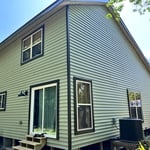
"Installed gutters around entire perimeter of our home. Service was timely and done in a professional manner. Results excellent. We recommend Southern for all your home improvement needs."
"It went very well. Samuel responded promptly to call as he appeared ready to take the job on asap. This was after he found loose screws that apparently were not long enough to remain attached to the wood below the metal roof. Screws in many instances would just spin in the hole and would not attach and secure. This was a previous job by Malone Roofing who was paid to remove every screw and replace with new screws with grommet seal and silicone caulk where needed. Video evidence showed this findings. He finished the job completely by 3 days, which means a lot when rains are taking place. GAF coating x 2 coats was done completely sealing the roof. 5 year warranty for the roof and 10 years warranty on the GAF coating, which was used on the Super Dome in New Orleans. Other roofers just wanted to replace the roof, not repair the roof which is metal and is still in good shape."
"Salesman Mike Calico was very informative and there was no pressure. I was impressed immediately!! Office staff were very polite and helped efficiently all the way thru. James - office manager was very courteous when going over my order!! Installers were here at 9am sharp and were very efficient and polite and did an amazing job!!!! 9am - 4pm and they were finished!!!! I was very impressed!!! Would recommend them 100%!!!"
"Outstanding job! Clay Tice replaced wooden balusterswith wrought iron, stained the handrail, and installed a new cap on my post. He kept me updated on the project every step of the way. I highly recommend Clay and his team."
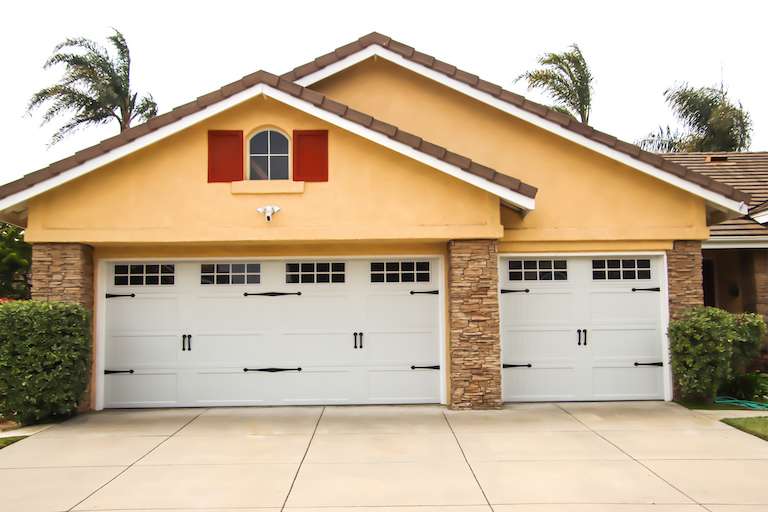
There is a reason many commercial garages and storage facilities have roller garage doors. They stand out as one of the most secure options due to their unique design. The compact installation and absence of visible leverage points on the sturdy aluminum curtain make them a formidable obstacle for potential intruders.
Fiberglass is considered a favorite garage insulation choice due to its combination of affordability, ease of installation, and overall effectiveness. Fiberglass provides good thermal resistance, helping regulate garage temperatures and minimize heat transfer. Additionally, fiberglass is moisture-resistant, reducing the risk of mold or mildew formation.
Your epoxy garage floors will last two to 10 years,depending on foot traffic and maintenance. Clean your floor regularly with a mop or a power washer using a diluted ammonia or degreaser solution. Use five ounces of ammonia per gallon of water or a half-cup of degreaser per gallon of water.
Also, sweep regularly, clean up any spills right away, and install mats in places where you expect the most foot traffic.
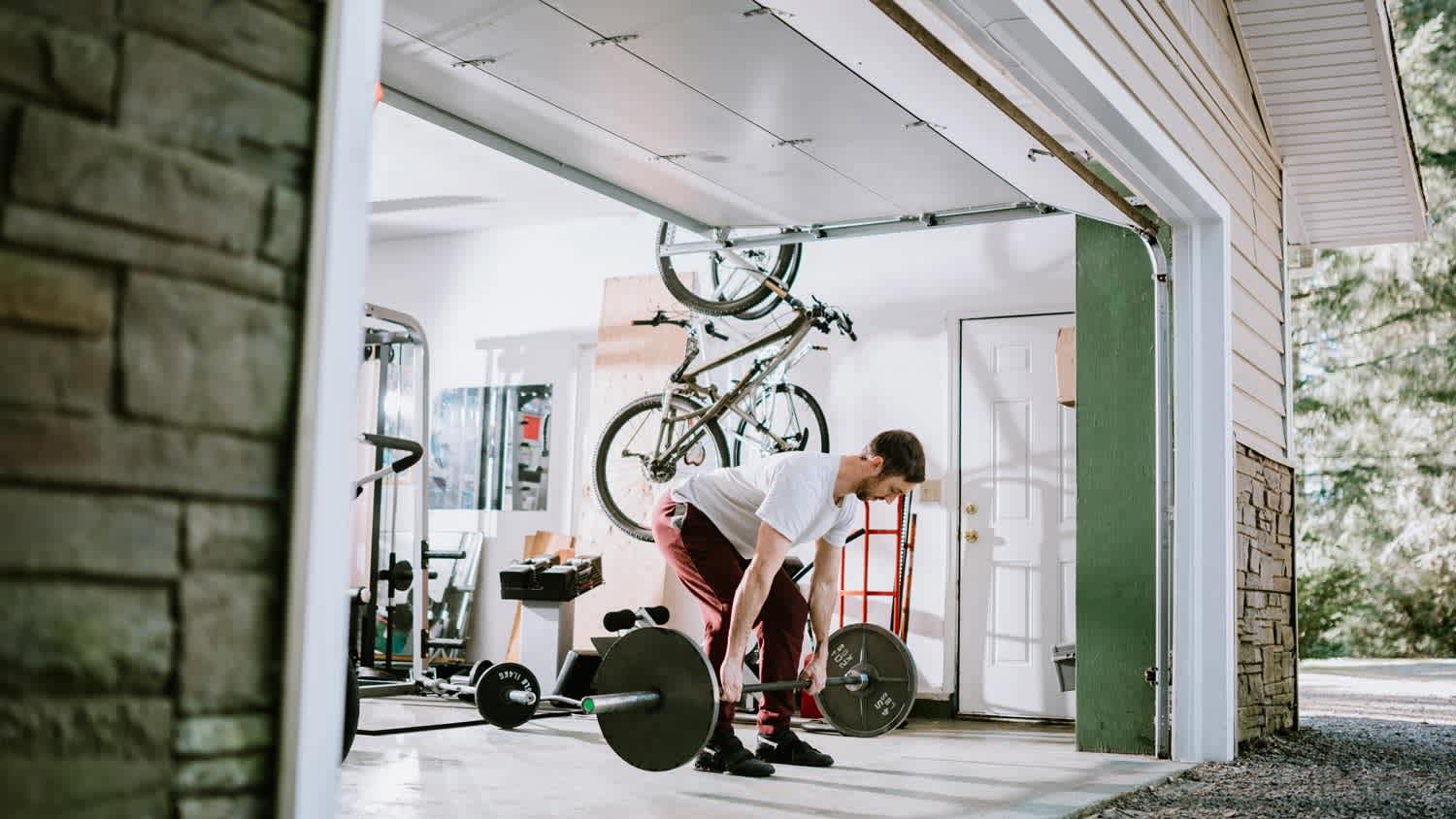
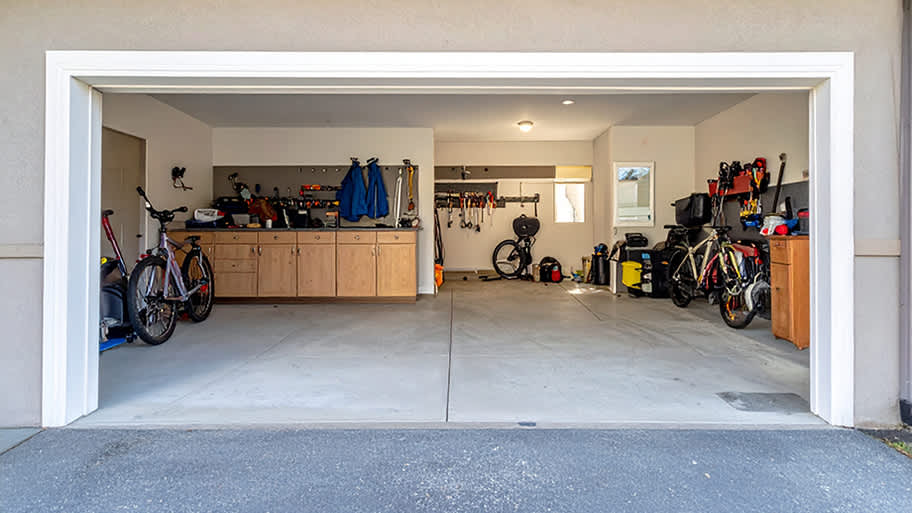
If you're cleaning out your garage, taking everything out first and starting with a clean slate can help. Reviewing what you have and what you want to get rid of makes organizing your garage, thoroughly cleaning the space, and making any repairs easier. When you put back the items you’re keeping, use designated storage solutions to make it easier to find things and keep them tidy.
For a garage to be included in a home's official square footage, it must qualify as livable space. This generally means it needs to be attached to the home and have permanent finishings like proper insulation, finished walls and ceilings, and adequate ventilation. To be considered livable year-round, it should also have heating and cooling. The specific legal requirements can vary by location, but if a garage is converted into a finished room meeting these criteria, it may be counted toward the total square footage.
The Diamondhead, MS homeowners’ guide to garage services
From average costs to expert advice, get all the answers you need to get your job done.
Want to add value and living space to your home? Use this guide to figure out the cost to convert your garage into living space to see if it’s worth it.
For most homeowners, a garage needs to be big enough for more than parking a car. Use this guide to figure out the average garage size and how to build from there.