






Top-rated basement waterproofing pros.

Get matched with top basement waterproofing pros in Carthage, MS

Enter your zip and get matched with up to 5 pros

Need a pro for your basement waterproofing project in Carthage, MS?

Select your specific project to find the pro for you.

Find Basement waterproofing pros in Carthage

Avatar for Hampton Enterprise LLC
Hampton Enterprise LLC
3.7(
9
)
Basement Drainage Channels - InstallBasement Drainage Channels - RepairFoundation, Basement or Crawlspace - Waterproofing / Encapsulation

Serving Carthage, MS and surrounding areas

In business since 1989

Free estimates

Emergency services offered

"He was awesome.  He called back, but he was working in Reed field, North Carolina and he could not get to us for a couple of days.  By the time, he got to us we had already gotten the other estimates, and we were pleased with him.  Hampton guy was great.  He was really quick to get back to us, but he had other projects that he had already lined up.  The experience was very satisfactory.  He was very courteous, and prompt.  He was very honest in saying that he cannot get to us, and if we needed to have this work done now, then we need to have to get somebody else.  I appreciated that."
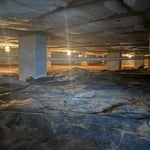
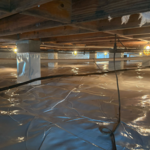
Additional Photos
Additional Photos
Recommended by60%of homeowners
Basement Waterproofing questions, answered by experts

Living in a finished basement is acceptable, but only if the space has the proper points of egress and includes smoke and carbon monoxide (CO) detectors to ensure the safety of the occupants. A good way to ensure your finished basement is suitable for use as living space is to get the basement finishing project properly permitted.

Water damage always poses a primary risk of mold and mildew, but growth is not guaranteed. The chances of mold developing depend on several factors, including the severity of the damage and how quickly the area is cleaned and dried. To prevent mold, you must act quickly—ideally within the first 24 hours. Clean up all water and thoroughly dry the affected area. If the damage is extensive, you were unable to address it immediately, or you suspect mold has already started to grow, it is best to assume it is present and hire a professional mold inspector or removal expert to assess the situation.

While a standard gutter system is widely considered the most effective way to prevent water damage to your home's foundation, several alternatives are available. These options can be used on their own in certain climates or as supplementary protection.

Common alternatives include:

  • Rain Chains: These are decorative chains that hang from the roof's edge, guiding rainwater to the ground.

  • Drip Edges: These metal strips are installed at the edge of the roof to direct water away from the fascia. While often used with gutters, they can be paired with a ground-level solution but are typically not sufficient on their own.

  • Rain Dispersal Systems: These systems work by breaking up the heavy sheet of water flowing off the roof, dispersing it over a wider area.

  • French Drains: This ground-level system uses a perforated pipe in a gravel-filled trench to collect and redirect water runoff away from the house.

  • Drip Paths: Placed directly below the roofline, these paths made of concrete, stone, or other materials prevent soil erosion and guide water away.

It's important to note that some alternatives like rain chains and dispersal systems may not be adequate in regions with heavy rainfall because they don't divert water away from the foundation as effectively as a full gutter system. Ground-based solutions like French drains can be very effective but are often more expensive and can affect your landscaping and curb appeal. Many experts recommend installing a full gutter system for maximum protection and using alternatives as supplementary measures.

Mold and other fungi love moisture, so the best way to prevent mold growth after water damage is to remove as much moisture as possible. First, find the source of the water or moisture, such as a leak or clogged gutters, and correct the problem. Next, remove standing water, vacuum up puddles with a shop vacuum, and run blower fans and dehumidifiers for 24 to 72 hours. Once you've removed all traces of moisture, disinfect the area using either vinegar or bleach to kill any remaining mold spores.

If a crawl space isn’t vented, there can be moisture buildup, which can lead to mold damage, easily destroying the foundation of your home. A closed-off crawl space can trap heat, which can be useful in the winter, but can also trap dangerous gases and prevent clean air from entering the home through the floorboards.

The Carthage, MS homeowners’ guide to basement waterproofing services

From average costs to expert advice, get all the answers you need to get your job done.