



Top-rated basement waterproofing pros.

Get matched with top basement waterproofing pros in Newton, MS

Enter your zip and get matched with up to 5 pros

Need a pro for your basement waterproofing project in Newton, MS?

Select your specific project to find the pro for you.

Find Basement waterproofing pros in Newton

Avatar for Hampton Enterprise LLC
Hampton Enterprise LLC
3.7(
9
)
Basement Drainage Channels - InstallBasement Drainage Channels - RepairFoundation, Basement or Crawlspace - Waterproofing / Encapsulation

Serving Newton, MS and surrounding areas

In business since 1989

Free estimates

Emergency services offered

"He was awesome.  He called back, but he was working in Reed field, North Carolina and he could not get to us for a couple of days.  By the time, he got to us we had already gotten the other estimates, and we were pleased with him.  Hampton guy was great.  He was really quick to get back to us, but he had other projects that he had already lined up.  The experience was very satisfactory.  He was very courteous, and prompt.  He was very honest in saying that he cannot get to us, and if we needed to have this work done now, then we need to have to get somebody else.  I appreciated that."
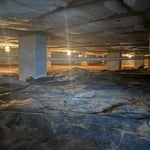
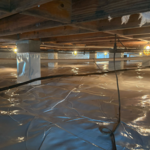
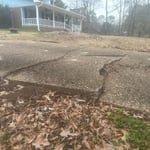
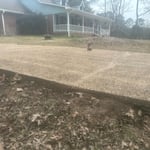
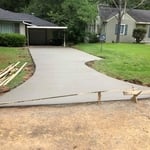
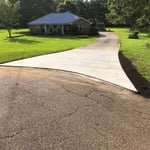
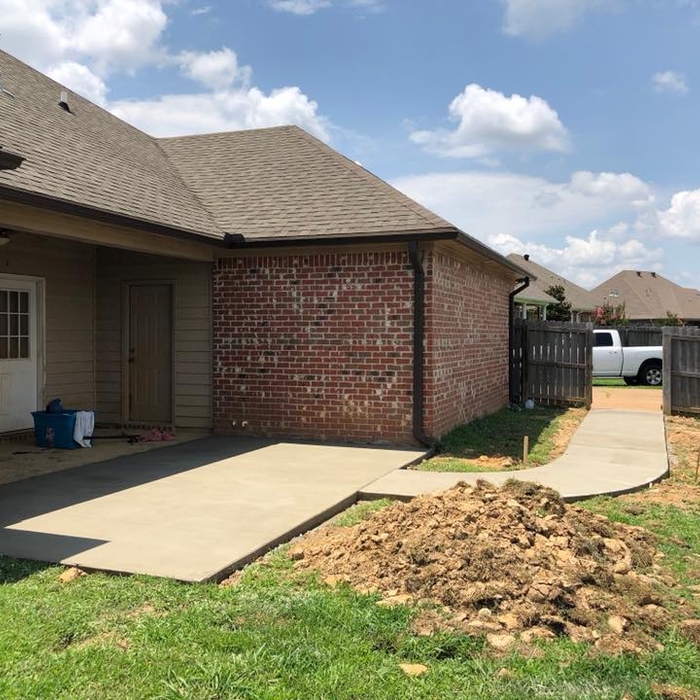
Additional Photos
Additional Photos
Recommended by60%of homeowners
Showing 1-10 of 12
Basement Waterproofing questions, answered by experts

Ductwork sweats due to a temperature difference between the air inside the ducts and the surrounding air, similar to how a cold drink develops condensation in the heat. This sweating is a sign that your HVAC system is not operating at peak efficiency. The best way to keep ductwork from sweating is to wrap it in proper insulation, which also improves your system's energy efficiency. Another option is to close off your crawl space and install a dehumidifier to dry the air and lower its dew point.

In most cases, yes, because the large majority of basements leak or will have moisture issues at some point, and waterproofing methods can mitigate that risk or eliminate it entirely. Plus, water and moisture issues can be quite problematic, as they can lead to mold growth, rotting of building materials, structural damage, poor indoor air quality, increased electric bills, and other problems.

Yes, you can enclose your crawl space. Enclosing your crawl space can promote energy efficiency and reduce the risks of pests and mold by limiting factors like humidity. It can also reduce heat loss, which is why doing so for the winter can make your home more comfortable.

Mold and other fungi love moisture, so the best way to prevent mold growth after water damage is to remove as much moisture as possible. First, find the source of the water or moisture, such as a leak or clogged gutters, and correct the problem. Next, remove standing water, vacuum up puddles with a shop vacuum, and run blower fans and dehumidifiers for 24 to 72 hours. Once you've removed all traces of moisture, disinfect the area using either vinegar or bleach to kill any remaining mold spores.

You can seal a concrete slab by cleaning the surface, filling in any cracks, etching the surface, applying a sealer, and letting it dry. Concrete slabs don't typically need sealing, but you can use a topical concrete sealer if you notice signs of water damage. If you haven't already fixed the cause of the leak, then you'll want to repair the plumbing before you seal a concrete slab.

The Newton, MS homeowners’ guide to basement waterproofing services

From average costs to expert advice, get all the answers you need to get your job done.