




Top-rated basement waterproofing pros.

Get matched with top basement waterproofing pros in Noxapater, MS

Enter your zip and get matched with up to 5 pros

Need a pro for your basement waterproofing project in Noxapater, MS?

Select your specific project to find the pro for you.

Find Basement waterproofing pros in Noxapater

Avatar for Hampton Enterprise LLC
Hampton Enterprise LLC
3.7(
9
)
Basement Drainage Channels - InstallBasement Drainage Channels - RepairFoundation, Basement or Crawlspace - Waterproofing / Encapsulation

Serving Noxapater, MS and surrounding areas

In business since 1989

Free estimates

Emergency services offered

"He was awesome.  He called back, but he was working in Reed field, North Carolina and he could not get to us for a couple of days.  By the time, he got to us we had already gotten the other estimates, and we were pleased with him.  Hampton guy was great.  He was really quick to get back to us, but he had other projects that he had already lined up.  The experience was very satisfactory.  He was very courteous, and prompt.  He was very honest in saying that he cannot get to us, and if we needed to have this work done now, then we need to have to get somebody else.  I appreciated that."
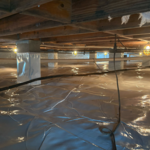
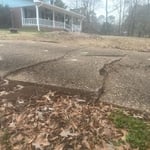
Additional Photos
Additional Photos
Recommended by60%of homeowners
Showing 1-10 of 12
Basement Waterproofing questions, answered by experts

Yes, you can technically make a crawl space liveable, but the only way to do so is by converting it into a basement. While some crawl spaces are big enough to walk through and store large items, they lack appropriate insulation and space to be liveable.

In most cases, it is safe to live in a home with minor foundation problems, but you should not let the issues persist. Virtually all foundations have small cracks from normal settlement, which are not a structural concern but should be sealed to prevent water intrusion. However, major damage—such as large structural cracks, sinking foundations, or bulging walls—can make a home unsafe. Other issues that can pose safety and health risks include poor indoor air quality from mold or pests, uneven floors, and rotten beams or joists. It is always best to have a foundation repair expert or structural engineer inspect any issues to determine if your home is safe to live in.

While a standard gutter system is widely considered the most effective way to prevent water damage to your home's foundation, several alternatives are available. These options can be used on their own in certain climates or as supplementary protection.

Common alternatives include:

  • Rain Chains: These are decorative chains that hang from the roof's edge, guiding rainwater to the ground.

  • Drip Edges: These metal strips are installed at the edge of the roof to direct water away from the fascia. While often used with gutters, they can be paired with a ground-level solution but are typically not sufficient on their own.

  • Rain Dispersal Systems: These systems work by breaking up the heavy sheet of water flowing off the roof, dispersing it over a wider area.

  • French Drains: This ground-level system uses a perforated pipe in a gravel-filled trench to collect and redirect water runoff away from the house.

  • Drip Paths: Placed directly below the roofline, these paths made of concrete, stone, or other materials prevent soil erosion and guide water away.

It's important to note that some alternatives like rain chains and dispersal systems may not be adequate in regions with heavy rainfall because they don't divert water away from the foundation as effectively as a full gutter system. Ground-based solutions like French drains can be very effective but are often more expensive and can affect your landscaping and curb appeal. Many experts recommend installing a full gutter system for maximum protection and using alternatives as supplementary measures.

Yes, engineers assess soil load-bearing capacity and provide construction guidelines.

It’s not the number of weep holes that should be of concern to builders but rather their spacing. Weep holes are usually spaced anywhere between 16 inches on center when using round tubes or wicking materials and 24 inches on center when using open-head joints. This is a more conservative spacing than the 33-inch maximum spacing on center that’s mentioned in the International Residential Code. All in all, the total number of weep holes a brick exterior should have will depend on the size of the structure.

The Noxapater, MS homeowners’ guide to basement waterproofing services

From average costs to expert advice, get all the answers you need to get your job done.