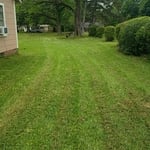
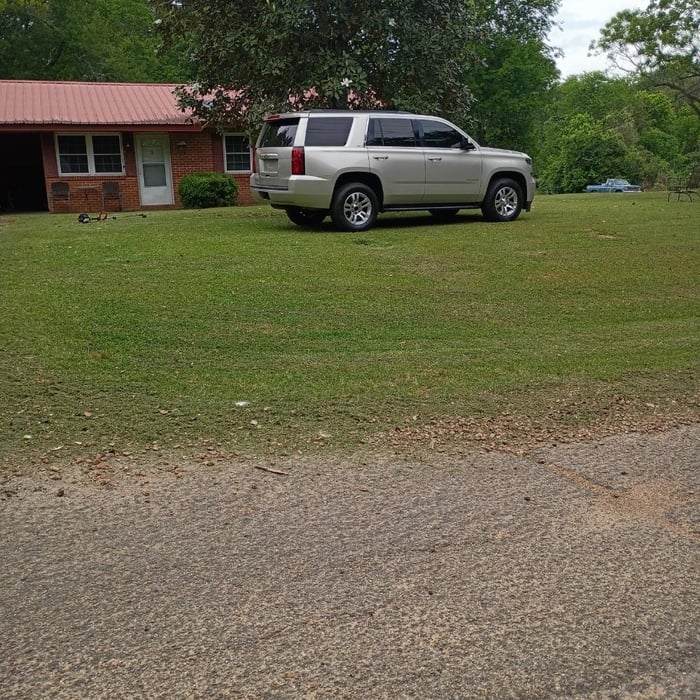
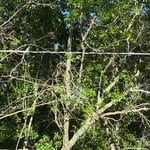
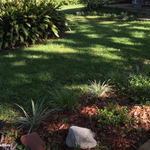
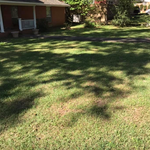
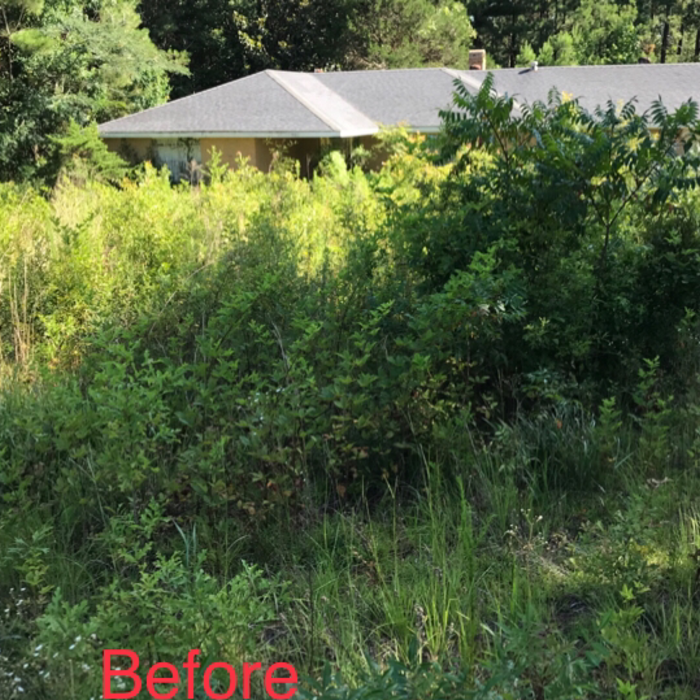
"The job required digging up a lot of invasive plants under a large oak tree in clay soil. We had to dig 4 to 6 inches down. The work was done well. He was very friendly. We just had some problems with scheduling. Other than that great help."
"They were prompt, professional, courteous, knowledgable, and efficient. Provided information about the problems that we had encountered. I would definitely use this service for any future problems."
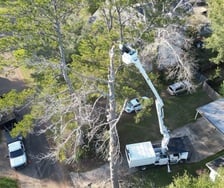
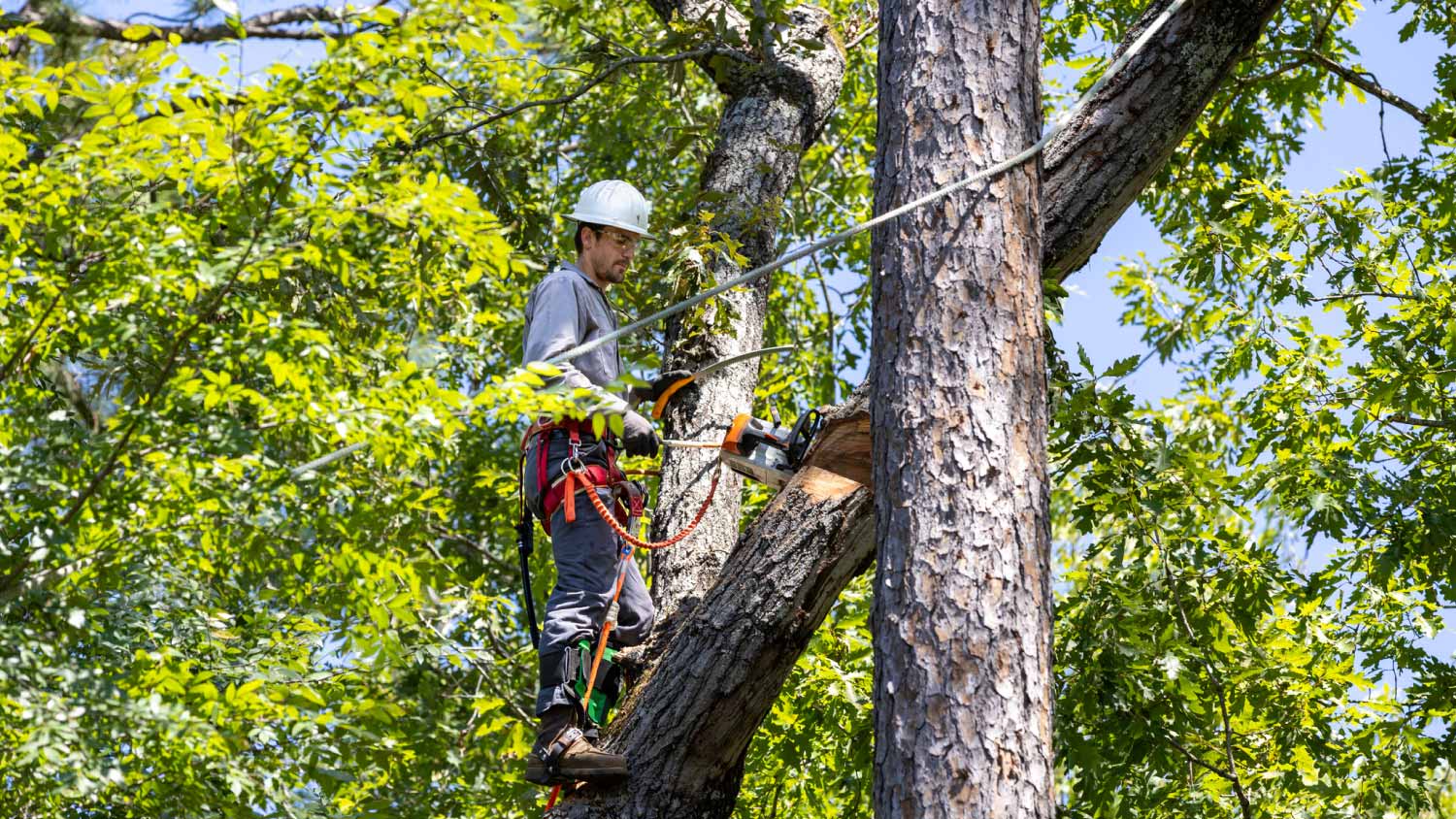
I’ve been working in the tree service for 3 years residential and commercial. I am used to most type of trees and all the work I do is manual with no big trucks ruining the yard.
"Very professional. Quality work. Job was done in a timely and safe manner. Would highly recommend this company for your landscaping as well as your tree work. Thank you Trent for a job well done."
"They did a fantastic job. Very professional, reasonable, detailed and done in a timely matter. It only took 3 days to complete the job. Very Satisfied and highly recommended"
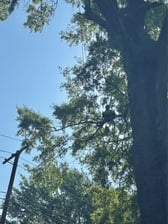
Homeowners are usually not responsible for trees that fall on power lines. Power companies usually have utility easements around power lines, which give them the responsibility to maintain any trees within about 15 to 20 feet of the lines.
Tree roots are hearty and complex systems, so they don’t die immediately after the rest of the tree is removed. If you leave the root system in place, it takes anywhere from two to seven years for it to run out of nutrients. It is worth noting, however, that the roots stop growing and expanding after cutting down the rest of the tree.
Generally, if your neighbor’s tree hangs over your yard, you can legally trim overhanging branches. Keep in mind that you cannot cross your property line to cut the trees, and if you damage the tree by trimming it, your neighbor could sue you. Depending on the type of tree and value, this could mean dishing out two to three times the value of the tree.
It’s worth noting that the specifics of this type of tree maintenance and the guidelines around it may vary by location. Do your research and, most importantly, consult with your neighbor.
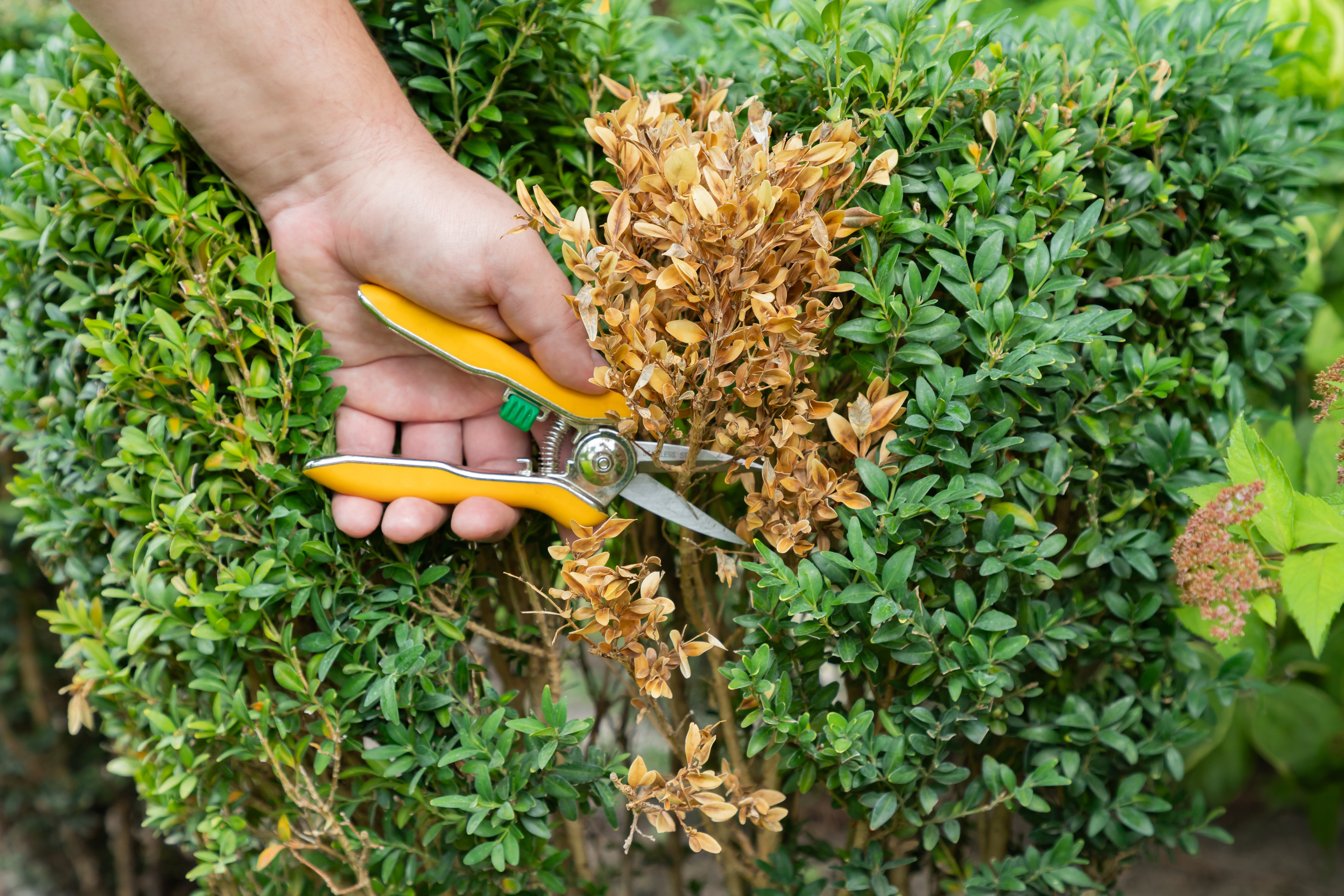
For trimming trees, your best tool is a pair of pruning shears or loppers. Both options work best for branches that are under 3 inches in diameter. Trimming trees with a larger diameter may require a robust tool like a small chainsaw or a handsaw, so take into account your tree’s diameter when deciding between tools.
Trees don’t usually grow back after being cut down. Some particularly robust tree species may start sending up new stems from a stump to recover, but those stems won’t become a “tree” like before. Generally, trees don’t recover from being entirely cut down, which is why it’s important to be careful when making a decision. When you cut down a tree, it’s a good idea to make plans to remove the stump, even if it’s unlikely to grow back.
The Bogue Chitto, MS homeowners’ guide to arboricultural services
From average costs to expert advice, get all the answers you need to get your job done.
How much does an arborist cost? This guide explains the cost of different services, ongoing expenses, and other factors to consider when hiring an arborist.
Tree inspections can ensure your trees stay healthy and safe, preventing costly damage. Learn how much tree inspections cost and what can affect the price.
Arborists are specialized tree care experts. This guide will help you hire an arborist with all the qualifications to give your trees the best care possible.