

Top-rated arborists.

Get matched with top arborists in Franklinton, LA

Enter your zip and get matched with up to 5 pros

Need a pro for your arboricultural service project in Franklinton, LA?

Select your specific project to find the pro for you.

TRUSTED BY FRANKLINTON, LA HOMEOWNERS

  • Average homeowner rating star icon4.9
    Average homeowner rating
  • Verified reviews icon25
    Verified arboricultural services reviews

Find Arborists in Franklinton

Avatar for Quality Tree Service
Quality Tree Service
4.6(
45
)
Tree RemovalTree TrimmingTree Removal - For Business+5 more

Serving Franklinton, LA and surrounding areas

Approved

Super Service Award Winner

Credit card accepted

Customers say: True professional

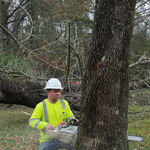
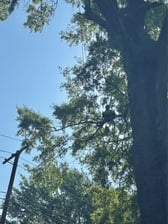
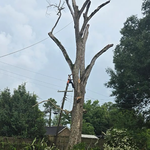
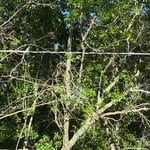
"I highly recommend Quality Tree Service to anyone in need of tree work. Having had three huge Water Oaks cut down, I was incredibly impressed by how highly skilled and efficient Jeremy and his team were at taking down such large trees. I also appreciated how they removed all the debris, leaving the lawn neat and clean. Furthermore, you simply can't beat the price for such quality work. I am definitely keeping his number on hand for any future needs."
First step
First cut of branches
Prepping and stagging
Removing a huge live oak next to a house
Started the removing

+25

Response time1 day
5 neighbors recently requested a quote
Recommended by70%of homeowners
Showing 1-10 of 49
Arborists questions, answered by experts

You should avoid cutting off the top of mature cherry trees. This process is called tree topping, and it’s not recommended for cherry trees—or any trees, for that matter. Tree topping removes between one-third to half of the length of the tree trunk, resulting in structurally unsound, fruitless suckers. The only exception is for saplings. Young pie, sour, and tart cherry trees that are over 30 inches tall in the fall or winter before the tree blooms can benefit from heading cuts.

The best time to cut down a tree is during its dormant season, typically in winter or early spring, after all the leaves have fallen. Removing a tree during this period is advantageous for several reasons. Frozen ground helps secure the tree stump, protects the surrounding landscape from damage, and reduces the risk of the tree falling in an unintended direction. With the leaves gone, there is less risk of the tree's foliage getting tangled with other trees. Additionally, since this is often a slower season for tree services, you may be able to hire a professional at a lower rate. This dormant period is also the best time for tree trimming.

Salt, herbicide, light deprivation, boiling water, and burning can all help dissolve a tree stump. You can also bury the tree stump in soil or mulch to help it rot naturally. Killing a tree stump prevents future regrowth, but you may also remove it by digging it out or grinding it.

Generally, avoid trimming trees in the summer (with the exception of pruning fruit trees as needed). Trees use a lot of energy in the summer, most of which is relegated to new growth. If you chop it too early, you could stunt the next season's growth. Again, when in doubt, do some research based on the specific tree type.

Consumers typically do not need to worry about the cost of tree insurance, as professional tree service companies pay for their own coverage. For a tree service business, an average U.S. policy covering about $1 million in general liability costs roughly $40 a month or $500 a year. More extensive policies, providing between $500,000 to $2 million in coverage, can cost between $3,000 and $6,000 annually, depending on the company's size and scope of work. Tree service professionals should speak with an insurance company to determine the right plan for their business.

The Franklinton, LA homeowners’ guide to arboricultural services

From average costs to expert advice, get all the answers you need to get your job done.