





Top-rated electricians.

Get matched with top electricians in Anguilla, MS

Enter your zip and get matched with up to 5 pros

Need a pro for your electrical service project in Anguilla, MS?

Select your specific project to find the pro for you.

Find Electricians in Anguilla

Avatar for D4 Electrical
D4 Electrical
5.0(
8
)
Fixed Generator - InstallElectrical Switches, Outlets & Fixtures - Install or RepairElectrical Wiring or Panel Upgrade+2 more

Serving Anguilla, MS and surrounding areas

Approved

Free estimates

"I hired D4 Electrical to replace several light fixtures, switches, and outlets throughout my home, and I couldn?t be happier with the service. Hunter was professional, showed up exactly when he said he would, and completed the job in a timely manner. The quality of his work and attention to detail were outstanding. I highly recommend D4 Electrical, and I?ll definitely be using Hunter for all of my electrical needs from here on out."

D4 Electrical
6 neighbors recently requested a quote

Nail Electric
New to Angi
Ceiling Fan - InstallCeiling Fan - RepairPortable Generator - Repair+3 more

Serving Anguilla, MS and surrounding areas

Approved

Hey everyone my names Parker Nail. I’m excited to launch my LLC. I’ve been doing Electrical work for 4 years now. I’m always looking for side work and would be happy to handle any type of electrical service needed. My goal is to provide quality and safe work that you can rely on. I’m available after I get off work during the week and on weekends.

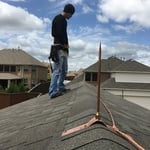
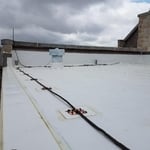
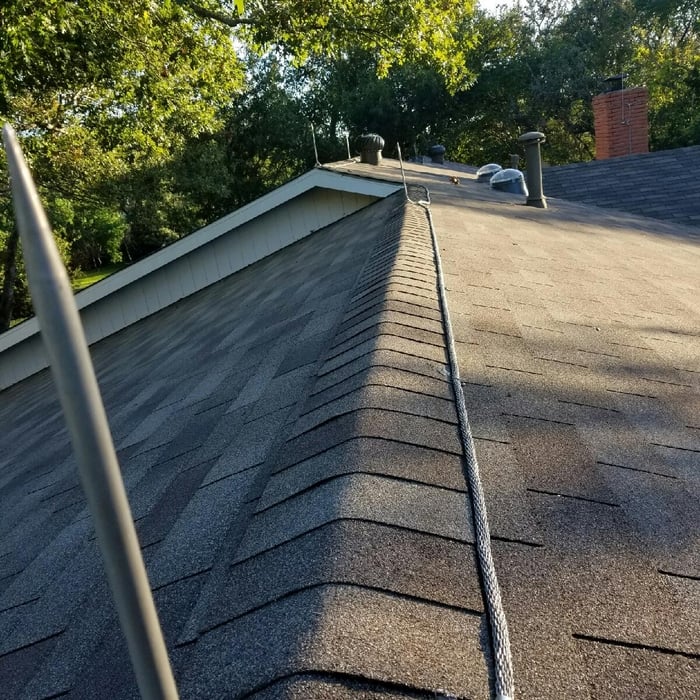
StormTek Lightning Protection
New to Angi
Lightning Protection - Install or Repair

Serving Anguilla, MS and surrounding areas

Approved

In business since 2023

Free estimates

Credit card accepted

We take great pride in our experience, expertise, quality, and customer service that we provide to meet the consumer's needs. It is our mission to provide excellent workmanship and complete customer satisfaction from start to completion of a project. In order to understand the needs and expectations of our customers, we take great care to work and communicate with every customer in a professional manner. Our reputation is based on service, safety, and quality, regardless of how large or small the job.

Response time7 hrs
11 neighbors recently requested a quote

...
Showing 1-10 of 73
Electrical questions, answered by experts

A portable generator can supply power to selected appliances and circuits in a home, but it's generally not designed to handle the entire household's electrical needs simultaneously. Portable generators have limited wattage capacity, so they are only designed to power essential devices and electronics temporarily until local power is restored. If your power needs outweigh the capabilities of a portable generator, consider installing a whole-home generator instead.

When installing an outdoor outlet, it's important to proceed with caution. Unless you have the necessary training and licensure, it's not recommended to attempt this DIY. First, choose a suitable location. Make sure that the area can accommodate the outlet without overloading the circuit. You'll also need to ensure that your project complies with building codes. Next, turn off the power to the circuit, then install and wire the outlet according to the manufacturer's instructions. Once the outlet is in place, test it. Lastly, be sure to use a cover that will protect it from moisture and other weather-related damage.

A ground wire is not required for GFCI to work. A ground is a third wire in an outlet in addition to the live and neutral wires. It serves as an escape conduit for electricity in case of a short circuit. If a ground wire is present, installers should connect it to the appropriate terminal. Otherwise, a GFCI will work fine without it.

Multiple wire sizes are used for residential electrical purposes. While the most common sizes used in homes are 14 and 12 gauge, some appliances, such as stoves, electric water heaters, central air units, etc., may use larger gauge wire to accommodate their larger amperage. Typically, larger appliances require 10-, 8-, or 6-gauge wires.

According to the National Electrical Code® (NEC®), the electrical code for kitchen outlets states that electrical outlets in a kitchen should be installed no more than 48 inches apart. This ensures that a receptacle is no further away than 24 inches from any place on the countertop. Countertops wider than 12 inches need an outlet on the wall above the countertop.

The Anguilla, MS homeowners’ guide to electrical services

From average costs to expert advice, get all the answers you need to get your job done.