




Top-rated electricians.

Get matched with top electricians in Wellington, MO

Enter your zip and get matched with up to 5 pros

Need a pro for your electrical service project in Wellington, MO?

Select your specific project to find the pro for you.

TRUSTED BY WELLINGTON, MO HOMEOWNERS

  • Average homeowner rating star icon4.5
    Average homeowner rating
  • Verified reviews icon38
    Verified electrical services reviews

Find Electricians in Wellington

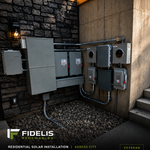
Fidelis Renewables
5.0(
9
)
Fixed Generator - InstallElectrical Wiring or Panel UpgradeElectrical Wiring or Panel Upgrade - For Business+1 more

Serving Wellington, MO and surrounding areas

Approved

In business since 2015

Free estimates

Credit card accepted

We work extremely hard for the owner and always have the owner's best interest at heart. Our long term vision is for us to become a go to general contractor with capabilities to do multiple types of projects.\n

14 neighbors recently requested a quote
Avatar for Donohue's Lightning Rods
Donohue's Lightning Rods
4.3(
70
)
Lightning Protection - Install or Repair

Serving Wellington, MO and surrounding areas

Approved

In business since 1971

Free estimates

Emergency services offered

"Mr. Donohue is very knowledgeable and has excellent experience in the lightning protection area. He responds quickly and has a very professional team of workers. He quoted the job using google earth information. When he visited the site he reduced his price by over 50%. I highly recommend him and I will use his company again."
Jobs from the last 3 year
Lightning protection

+10

Response time1 day
78 neighbors recently requested a quote
Recommended by96%of homeowners

Avatar for Ideal Lighting System
Ideal Lighting System
5.0(
9
)
Outdoor Lighting - RepairOutdoor Lighting - Plan and InstallExterior Building Lighting - Install or Replace - For Business+1 more

Serving Wellington, MO and surrounding areas

Approved

In business since 2022

Free estimates

Offers commercial services

"Aaron was super friendly and easy to work with. He laid out an easy to understand and effective plan for how to solve our problem. He is very thorough and provided excellent work! He was even able to find us a discount on a light fixture. I would highly recommend him and his work."
13 neighbors recently requested a quote
...
Showing 1-10 of 169
Electrical questions, answered by experts

On average, replacing an electrical breaker panel, such as the Federal Pacific Electrical breaker panel, costs about $1,300. The price range for replacing electrical panels is between $550 and $2,100, depending on your location, the electrical panel’s location, and the extent of the work required to replace the panel. This kind of electrical work is dangerous and should only be done by a licensed electrician.

The most common type of electrical outlet is a 3-prong outlet, which has two flat blades (one is wider than the other) and a round grounding pin. Older homes typically have 2-prong outlets that aren’t as safe as more modern options and are generally not up to current electrical codes.  Other outlets you can find in your home include 20A, 125 volt varieties for larger appliances like refrigerators or washing machines. 

There are also GFCI outlets, which protect against electrical shock in wet areas, such as bathrooms and kitchens, and arc fault circuit interrupter (AFCI) outlets, which protect against electrical fires caused by arcing.

First, check the current electrical code in your area to ensure spaces you’re considering meet the requirements. After that, your outlet’s location is up to you. If you’re moving it to hide wiring, you may want to move it in a spot that will also be hidden from view, such as behind a media center or table. As long as you meet the spacing guidelines set by electrical codes, you should be able to pick any spot in your home for an outlet. 

How far you can run underground electric depends on the wire gauge (generally AWG) and the circuit voltage. Too much voltage drop in an electrical circuit can negatively affect performance, so the smaller the voltage drop, the better. Ideally, it shouldn't exceed 3%. The smaller the wire and the longer the run, the more significant the voltage drop. 

For example, with a 120-volt circuit, you can run 60 feet of 12 AWG cable without losing more than 3% voltage. With a 240-volt circuit, you can run 120 feet of 12 AWG wire while maintaining a voltage drop of 3% or less.

The standard voltage for United States power outlets isn’t shared around the world, and neither is the shape of the power connector. This is why you need travel adapters when spending time abroad. Where the United States typically uses 110/120V outlets, outlets in Europe typically use 220/240V. Power outlets can vary in other ways around the world, too. Not everyone uses the 60Hz frequency, for example, and not everyone even uses AC power in outlets. Always do your research when traveling to see what you need.

The Wellington, MO homeowners’ guide to electrical services

From average costs to expert advice, get all the answers you need to get your job done.