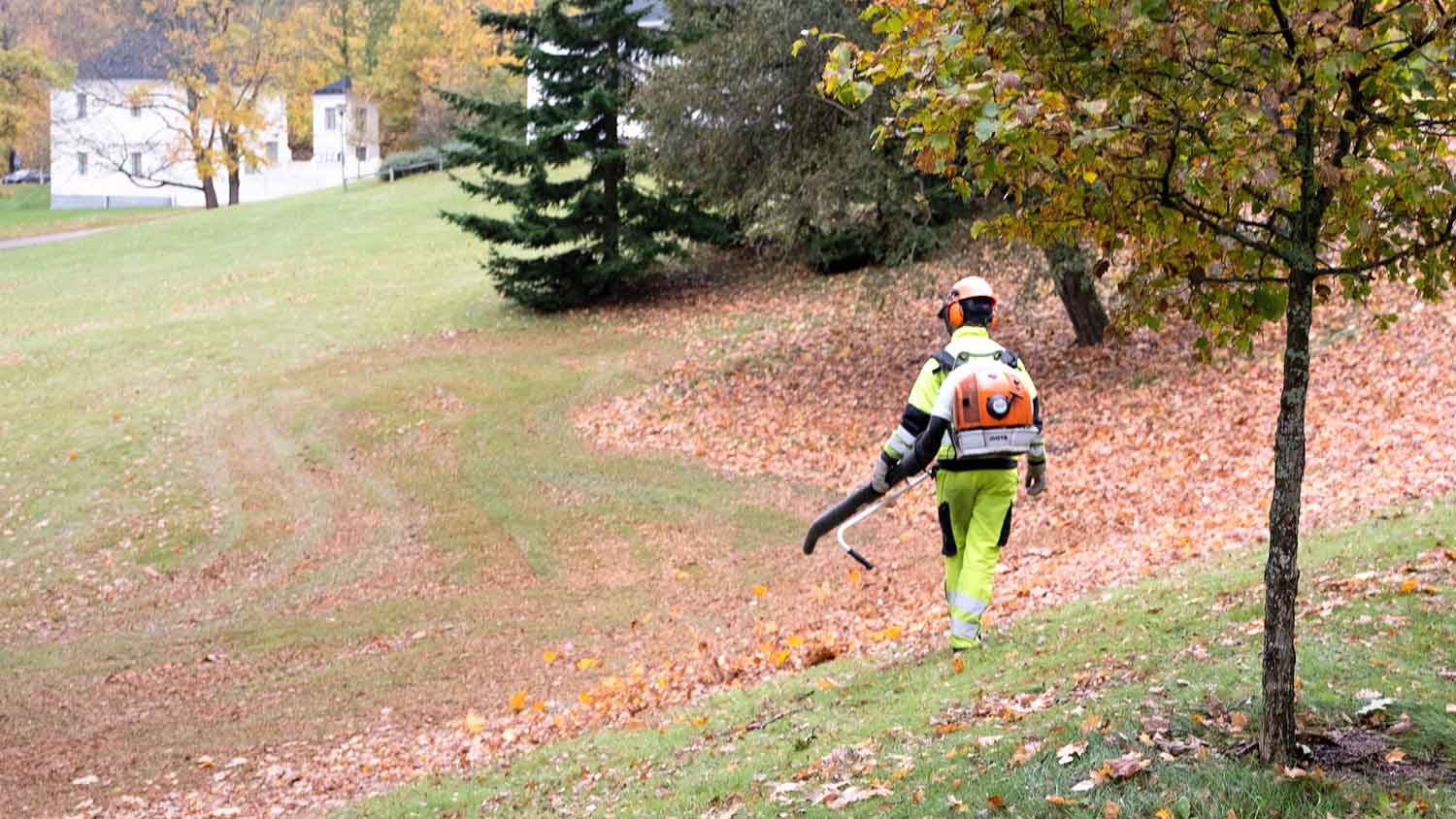
Top-rated leaf removal pros.

Best leaf removal pros near Waynesville, MO

Enter your zip and get matched with up to 5 pros

Need a pro for your leaf removal project in Waynesville, MO?

Select your specific project to find the pro for you.

Top-Rated Leaf removal pros in Waynesville - Updated Nov 2026

Team Thompson Trades
New to Angi
Lawn & Yard Waste Clean Up

Serving Waynesville, MO and surrounding areas

Approved

Free estimates

Small jobs welcome

Hello, I am a recently retired educator and coach. I learned building trades from my father as a child and worked with him in construction for 8 years building houses from the ground up including plumbing, wiring, concrete, cabinetry, etc. from framing to finish. I have completed my own additions, remodeling, and repairs for the last 30 years. I'm a detail oriented perfectionist that enjoys working with my hands and providing a quality, reasonably priced service.

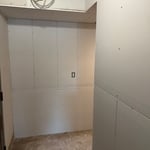
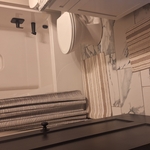
Bathroom
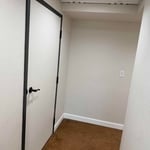
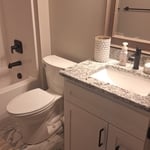
Bathroom
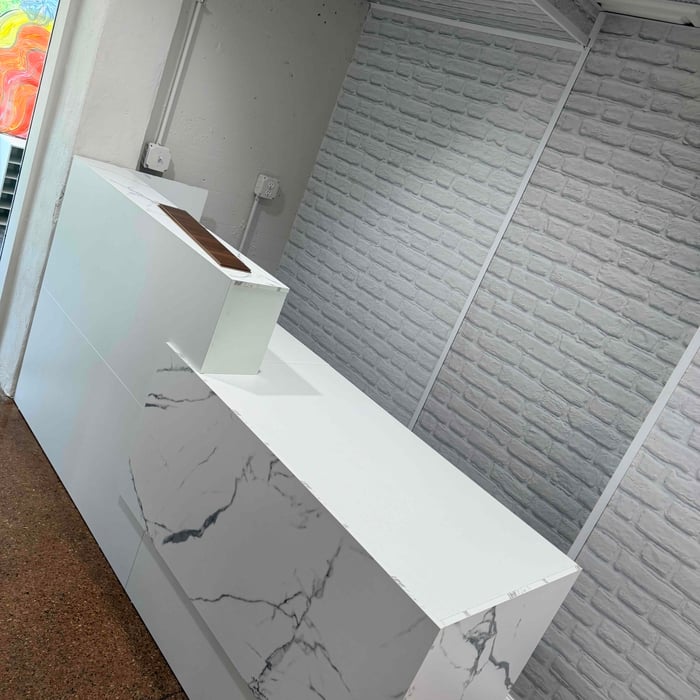
Bar area
Recreation area
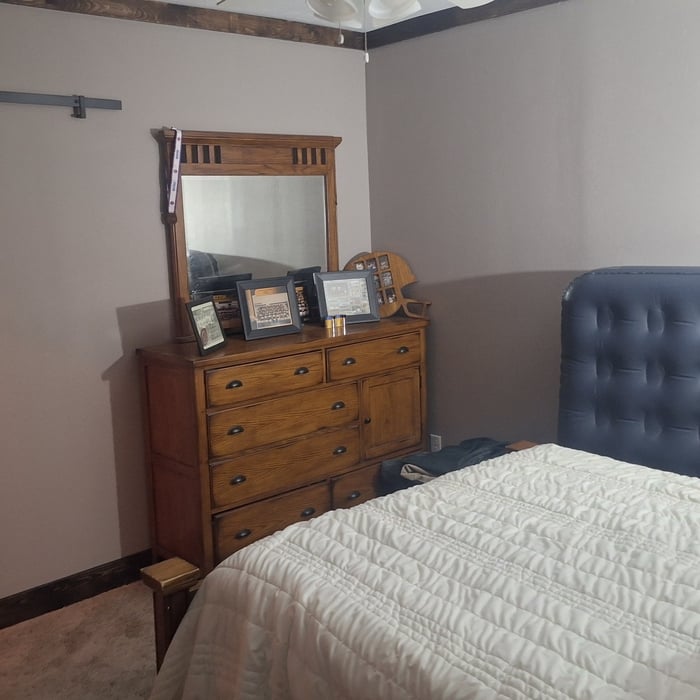
Bedroom

+2

Robert burns
New to Angi
Lawn & Yard Waste Clean UpLawn Care - Maintain and Mow a Lawn

Serving Waynesville, MO and surrounding areas

Approved

I am just starting out and trying to feed my family. I dont have any licenses but I am a jack of all trades and master of none. I will be straight with u if I dont feel comfortable about something and can point u to a better choice if needed. I am not looking to make a billion dollars. I am just trying to help people out that cant afford some big name company and be a honest and trustworthy person .

...
Showing 1-10 of 93
Leaf Removal FAQs, answered by experts

According to the Environmental Protection Agency (EPA), hazardous waste is generally classified into four main categories:

1. Characteristic Wastes: These exhibit at least one of four hazardous traits: ignitability (flammable, like gasoline), corrosivity (can rust or decompose materials, like car batteries), reactivity (unstable and can explode, like aerosol cans), or toxicity (harmful when ingested, like lead-based paint).

2. Listed Wastes: These are specific wastes from manufacturing and industrial processes that the EPA has officially designated as hazardous. They include byproducts from processes that use solvents, pesticides, and other chemicals.

3. Universal Wastes: These are commonly generated hazardous items that are subject to streamlined regulations. Examples include batteries, pesticides, mercury-containing equipment (e.g., bulbs), and some lamps.

4. Mixed Wastes: This category includes waste that contains both hazardous and radioactive components, making it subject to regulation by both the EPA and the Nuclear Regulatory Commission.
You can sell a house with lead paint, but there are several requirements. If you are aware that lead paint exists anywhere in the home, you must disclose that to potential buyers. Required home inspections will often uncover lead paint, especially for older houses where lead paint may still be a problem. If you have taken steps to encapsulate lead, you should provide buyers with full documentation of the project so it won’t cause any problems later on.

It is safe to remove old linoleum, but it may require the help of a specialist due to the risk of asbestos in the material. Before you cut into linoleum or try to peel it up, have it tested for asbestos. If it tests positive, professionals will need to remove it to prevent the risk of health issues from airborne toxic particles. If it’s asbestos-free, DIY removal is possible and safe.

While not all homes built before 1978 contain lead paint, enough do, so you’ll still want to test to be on the safe side. The federal government banned lead-based paint for homes in 1978, but your state may have banned lead before that time. Around 24% of homes built between 1960 and 1977 contained lead-based paint, while 87% of homes built before 1940 contained lead-based paint.

While the EPA provides guidelines for homeowners to perform DIY lead paint removal, it is a risky process and generally not recommended due to serious health risks and strict regulatory requirements. The process requires precise safety precautions, such as wearing a respirator and protective eyeglasses, creating sealed exits, and using a HEPA vacuum for cleanup. To ensure the job is done safely, effectively, and in compliance with regulations, it is highly recommended to hire a professional lead abatement company. Certified professionals have the necessary training, experience, and specialized equipment (like chemical strippers and HEPA vacuums) to handle and dispose of hazardous materials safely.

The Waynesville, MO homeowners’ guide to leaf removal services

From average costs to expert advice, get all the answers you need to get your job done.