




Top-rated interior painters.

Best interior painters near Washington, MO

Enter your zip and get matched with up to 5 pros

Need a pro for your interior painting project in Washington, MO?

Select your specific project to find the pro for you.

TRUSTED BY WASHINGTON, MO HOMEOWNERS

  • Average homeowner rating star icon4.7
    Average homeowner rating
  • Verified reviews icon30
    Verified interior painting services reviews

Top-Rated Interior painters in Washington - Updated Nov 2026

Avatar for On a Roll Painting
On a Roll Painting
5.0(
6
)
Painting or Staining - Small ProjectsInterior Painting or Staining: 1 - 2 Rooms

Serving Washington, MO and surrounding areas

Approved

In business since 2025

Free estimates

Small jobs welcome

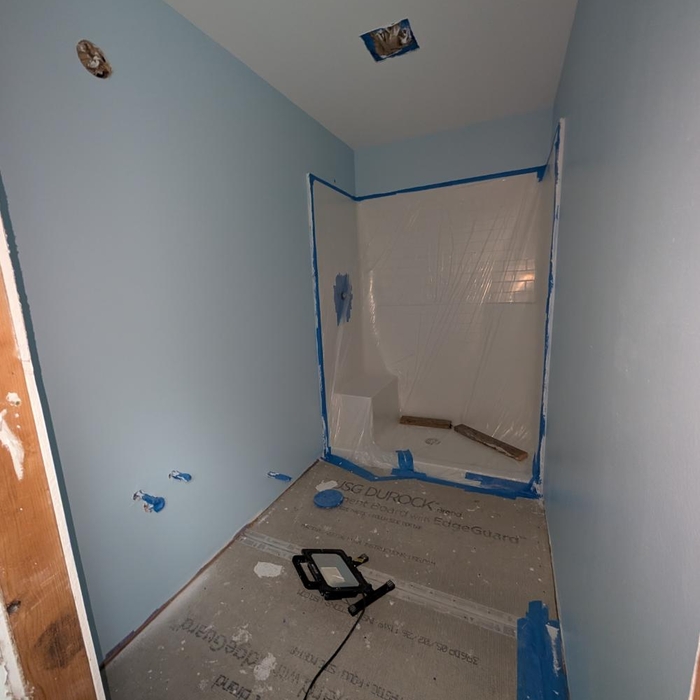
"The most professional experience possible! They showed up and went thru every step. Took down awnings, power washed, made needed repairs, 2 coats of paint for trim, doors and the body of the house. After they finished the exterior they did 2 projects inside. Removed popcorn ceiling in the living room and painted then painted our remodeled bathroom. We couldn’t be happier ❤️"
New Construction Project

+25

6 neighbors recently requested a quote
...
Showing 1-10 of 181
Interior Painting FAQs, answered by experts

First off, take a breath. The good news is that interior paint, especially when used outside, won’t harm your health. The bad news is that you’re going to have to reapply the proper exterior paint at some point in the not-so-distant future. Otherwise the current coat will chip, crack, and fade, or worse, develop mold or an insect infestation without remediation.

Yes. It's another reason many people choose to use the spray over an adhesive, as they can change patterns or remove it entirely with ease if they choose. You can use acetone with a rag or a vinegar and water solution (1/2 cup of vinegar to 12 ounces of water) with a cloth to help you scrub away frosted spray glass. NEVER mix these two methods together, though, and always work in a well-ventilated area.

To fix bubbling paint, scrape away any loose or blistered areas using a putty knife. Lightly sand the surface to smooth out rough edges and create a level finish. Clean the area thoroughly to remove dust, dirt, and any residue. Once the surface is clean and dry, apply a quality primer suited to the material you're painting. Finally, repaint the area, making sure to work in proper temperature and humidity conditions to prevent new bubbles from forming.

You can apply waterproofing over paint, but you won't get as much protection as you would if you painted the surface with a waterproof paint from the get-go. Not all waterproofing methods are compatible with painted surfaces, and they may not adhere well. This is especially true if the paint is glossy, old, or flaking. Waterproofing sealers are primarily meant to be applied to porous surfaces, like concrete, wood, or brick. 

Yes, you can pressure wash epoxy floors, but you must take precautions to avoid damaging the surface. While most epoxy floors can be cleaned with a mop, you might choose to pressure wash if the floor is stained, has ground-in dirt, or is covered with mold or mildew. To do so safely, first soak any stains or dirty areas with a gentle cleanser. Use a lower pressure setting with a gentle nozzle, such as a green, white, or black tip, or a 45-degree angled tip. Keep the spray nozzle at least 18 inches away from the floor to protect the surface. Using a surface cleaner attachment or a rotary scrubber can also help prevent overspray. Be cautious if using a power washer that heats the water, as the combination of heat and pressure may be too powerful and could damage the epoxy coating.

The Washington, MO homeowners’ guide to interior painting services

From average costs to expert advice, get all the answers you need to get your job done.