





Top-rated interior painters.

Get matched with top interior painters in Saint Clair, MO

Enter your zip and get matched with up to 5 pros

Need a pro for your interior painting project in Saint Clair, MO?

Select your specific project to find the pro for you.

TRUSTED BY SAINT CLAIR, MO HOMEOWNERS

  • Average homeowner rating star icon4.8
    Average homeowner rating
  • Verified reviews icon25
    Verified interior painting services reviews

Find Interior painters in Saint Clair

Avatar for Raymond’s Repair & Renovations’s LLC
Raymond’s Repair & Renovations’s LLC
5.0(
5
)
Interior Painting or Staining: 1 - 2 RoomsInterior Painting or Staining: 3 - 4 RoomsInterior Painting or Staining: 5 + Rooms

Serving Saint Clair, MO and surrounding areas

Approved

In business since 2016

Free estimates

Warranties offered

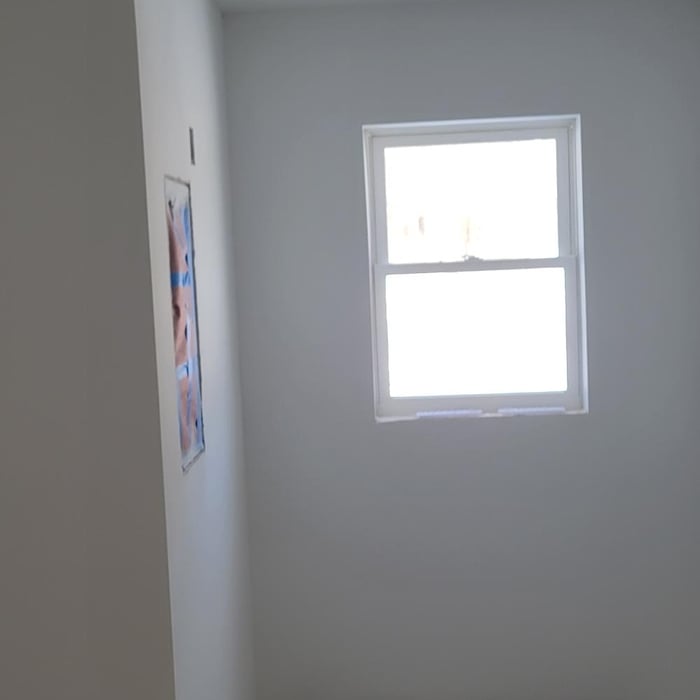
Welcome to Raymond's repair and renovationsllc. We proudly provide the highest quality of service and craftsmanship for each aspect of your project. Our depth of knowledge and experience solidify our belief that customer service stands as the highest priority. We eagerly look forward to working with you and making your vision a reality. Give us a call, text or email today, and let us get started!

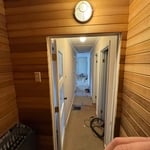
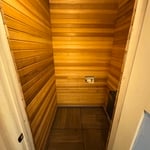
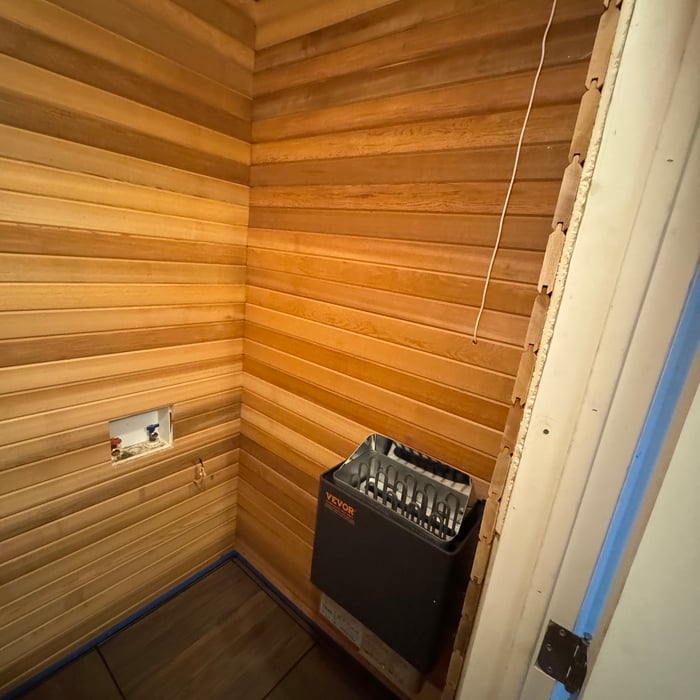
Indoor sauna
Indoor sauna
Indoor sauna
Indoor sauna
Indoor sauna

+1

Beth Allen
5.0(
2
)
Interior Painting or Staining: 1 - 2 RoomsInterior Painting or Staining: 3 - 4 RoomsInterior Painting or Staining: 5 + Rooms+1 more

Serving Saint Clair, MO and surrounding areas

Approved

Free estimates

Small jobs welcome

Offers commercial services

"Beth did a wonderful job. She showed up exactly when we agreed to meet, and showed a level of attentiveness and professionalism that I’ve yet to see in any other cleaning service. I would definitely recommend her to friends and family."
Response time10 mins
Response rate100%
3 neighbors recently requested a quote
...
Showing 1-10 of 159
Interior Painting questions, answered by experts

Yes, you can pressure wash epoxy floors, but you must take precautions to avoid damaging the surface. While most epoxy floors can be cleaned with a mop, you might choose to pressure wash if the floor is stained, has ground-in dirt, or is covered with mold or mildew. To do so safely, first soak any stains or dirty areas with a gentle cleanser. Use a lower pressure setting with a gentle nozzle, such as a green, white, or black tip, or a 45-degree angled tip. Keep the spray nozzle at least 18 inches away from the floor to protect the surface. Using a surface cleaner attachment or a rotary scrubber can also help prevent overspray. Be cautious if using a power washer that heats the water, as the combination of heat and pressure may be too powerful and could damage the epoxy coating.

You can sand paint off a wall. However, it's difficult and time-consuming. Depending on why you wish to remove the paint, there are simpler ways to achieve similar results. Scraping off any loose paint and applying a skim coat is the most common way to hide a damaged wall or paint job.

The best and fastest way to remove paint from a deck often involves combining a chemical stripper with a pressure washer. Gel-based paint strippers are highly recommended because their thick consistency makes them less messy and easier to apply than liquid strippers. After applying the stripper to loosen the paint, you can use a pressure washer to efficiently wash away the residue. When using a pressure washer for this task, it's important to use a low pressure (under 1000 PSI) to avoid forcing too much moisture into the wood, which could lead to mildew or rot.

The biggest issue with painting your interior walls with exterior paint isn’t the way the paint looks or performs—it’s the lack of ventilation. The higher quantities of VOCs in exterior paint will have a harder time dispersing in an enclosed space, so do everything you can to direct them out—like turning on a fan and opening your windows and doors. Afterward, you can simply prime and redo your walls with interior paint, and no one will know the difference.

Scrape softened caulk with a putty knife or slice hardened caulk with a utility knife. Hard-to-remove caulk generally requires more time exposed to a softening solution, like a commercial product or rubbing alcohol. A few hours to a day later, the softened caulk will come off with the help of common household tools. In many cases, you can grab needle-nosed pliers for caulk with multiple old layers and pull the material off its base. 

The Saint Clair, MO homeowners’ guide to interior painting services

From average costs to expert advice, get all the answers you need to get your job done.