
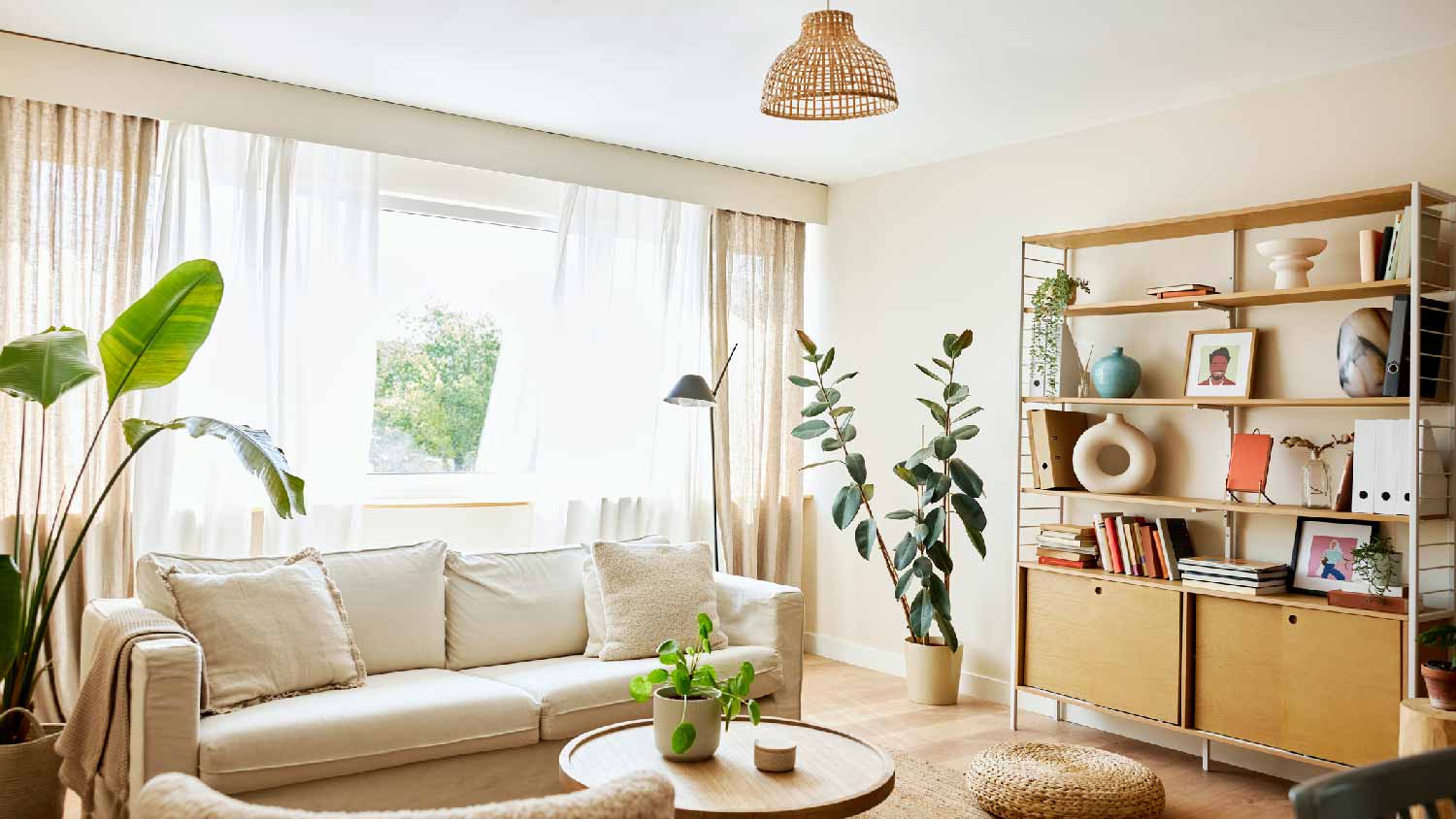
Overwhelmed by painting choices? Here's how to choose paint colors for your home interior to blend space functionality with your unique style.
Sorry, but your favorite color might not work in every space

Lighting affects how your interior paint looks because natural light and reflections from outdoor surfaces change the color you see on your walls throughout the day.
Your floor color, existing cabinetry, room direction, and outdoor reflections all influence how paint appears, so test large swatches for several days before committing.
Sunny rooms give you more flexibility with bold colors or dramatic dark shades, while rooms with little natural light work best with lighter neutrals.
Hiring a local interior design professional helps you choose paint colors that work beautifully with your lighting, using 3D modeling to show you options in your space.
For rooms with little natural light, many homeowners default to white or neutral paint colors that give the illusion of more space—even though the right dark paint in a cozy room or lounge can also help achieve a certain mood. But the right paint color is only the first step; you need lighting to complement it.
Here’s what you need to know to make the most of your space with color and light.
The impact of the sun reflecting off of grass or your neighbor’s wall can completely alter the reality of your paint chip choice. You need to take into consideration the hues and shades of varying ranges of colors that reflect back into the belly of your home by painting large swatches on the wall (about a 2-by-2-foot area) before committing to a paint color.
Picking the perfect paint color for your house can often feel overwhelming, particularly if you’re building a new space that doesn’t already have lighting, flooring, and other accents to build on. Bold, electric hues do well in brightly lit rooms, but neutral paint colors also set a certain kind of tone especially if your furniture is going to make a statement.
If you know what to look for when painting a room with lots of natural light, it will help narrow down the options for you. But no matter what direction you take, you should always give yourself a few days or even a week after you paint your test swatches on the wall to observe the colors in varying times of day before fully committing.
The factors below will alter how a paint color looks in a specific space.
North-facing rooms trend toward moodiness because they’re shrouded in darkness most of the year. Picking a paint like a lime green or Dutch orange that lends a bright pop of color will help lift the spirit of the space. On the flip side, leaning into a darker mood is also advantageous, with taupes, grays, and deep browns enhancing walls that face north.
Rooms with walls that face the sun are oriented toward the south-easterly direction and are great spots to go big with color and indoor foliage. It’s also a great location to use neutrals and shades of white to further lighten up the mood, using live greenery as the accents for the space.
Eastern- and western-facing walls provide spaces for alternating moods throughout the day and are especially important surfaces to test out sample colors. The range of variations from the natural changing of light direction is immense.
The color of your floors will influence how your finished wall colors look. If your home is draped in the shade of red or honey-colored hardwood commonly found in American homes, it will dramatically alter neutral colors and whites as the light shines in.
Deeper browns and black found in walnut-colored wood are less intrusive to changing how the colors will change, but results will vary depending on the angle of the sun. Bolder colors tend to not be influenced by floor color because they reflect less light.
Lighting choices, such as a broad spectrum bulb or narrow and pinpointed affairs, do have the opportunity to affect how the colors look during different times of day. Taking the time to paint broad swatches throughout the room where you intend to paint is a good way to mitigate potential design faux pas that require a reboot.
One major factor a lot of homeowners forget to include in their interior painting plans: how the colors outside affect the colors inside.
If you live near an open body of water, blues, grays, and greens will alter any neutral or white choices. If you have an expansive lawn, these reflections will input dark greens during the growing months and light shades of tan or brown in the winter. Hardscaping, which includes any concrete or stone slabs, also has the potential to inject pinks and tans into your room’s equation.
If you have any cabinetry in the room you’re painting, you’ll also want to take those colors into consideration when choosing a paint color. In general, darker trim bodes well for pastels, neutrals, and white colors while lighter trim is a nice accent for rich, extravagant choices, particularly with single walls.
For rooms with little natural light, stick to a more narrow palette of white or beige paint. That is, unless you’re into a cavernous look, which can be an excuse to play around with deep velvet greens and blue. So, if you’re a fan of bold choices and utilizing color, a room with a lot of natural light is a great opportunity to embrace your most exuberant palette.
Dark interior paint colors can make a room feel closed off in certain circumstances, but they can also add drama, depth, and open up the room by creating a visual dead zone. If you have little natural light, consider classic billiard room colors like dark green, red, or blues as your accent wall colors.
And remember: The perfect paint color is the one that is going to bring you and your family joy, so at the end of the day, if that’s white, black, magenta, or eggplant purple, go with your gut. You can also hire a local interior designer to come up with a few different options and show you how they look in your actual space using 3D modeling.
Having a sunny room offers you so many options when it comes to painting your walls. You could paint the entire room in a deep paint color, then punctuate it with antiques and house plants. Or, you could go for a lighter paint like a white or beige and use a bright paint for an accent wall.
Another option for your room with natural light like a kitchen is to paint the cabinets a fun paint color, then stick to white, gray, or other neutral tones for the walls.

Painting is one of those common house tasks that most homeowners will attempt at least once in their lives. The great thing about paint is that it’s not permanent, so if you don’t like the initial color or outcome, you can always cover it up with a different choice down the line.
Keep these home painting tips in mind as you proceed with your paint project, and if it all just seems too overwhelming, then consider bringing in a professional local painter to tackle the room for you.
Custom Paint Jobs LLC is the go-to choice for all your painting needs. They painted both the interior and exterior of my house flawlessly. Their work speaks for itself!
 Custom Paint Jobs, LLC
Beginning with the estimate, Larry and Peyton were super helpful in getting my new condo's interior re-painted. Not only was the job well done, but also done in a super timely manner as promised.
 Five Star Painting of Plain City and Powell
From average costs to expert advice, get all the answers you need to get your job done.
Overwhelmed by painting choices? Here's how to choose paint colors for your home interior to blend space functionality with your unique style.
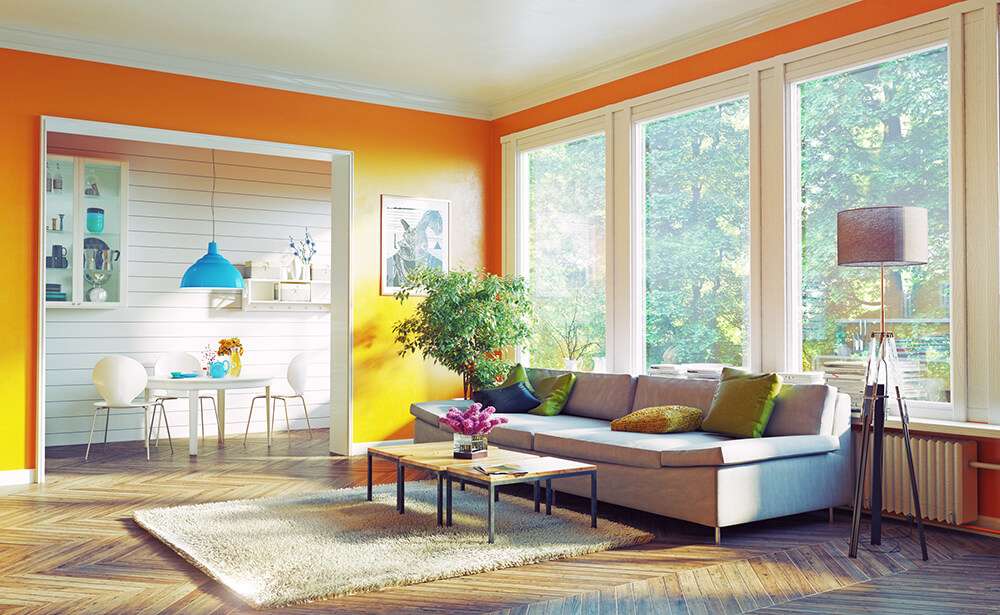
Before you pick up that paint brush, check out these 11 must-know painting tips for your DIY interior painting project.

If you've always been a bit curious about how to paint with dark colors around your home, here's your big chance. The secret is not as tricky as you may think.
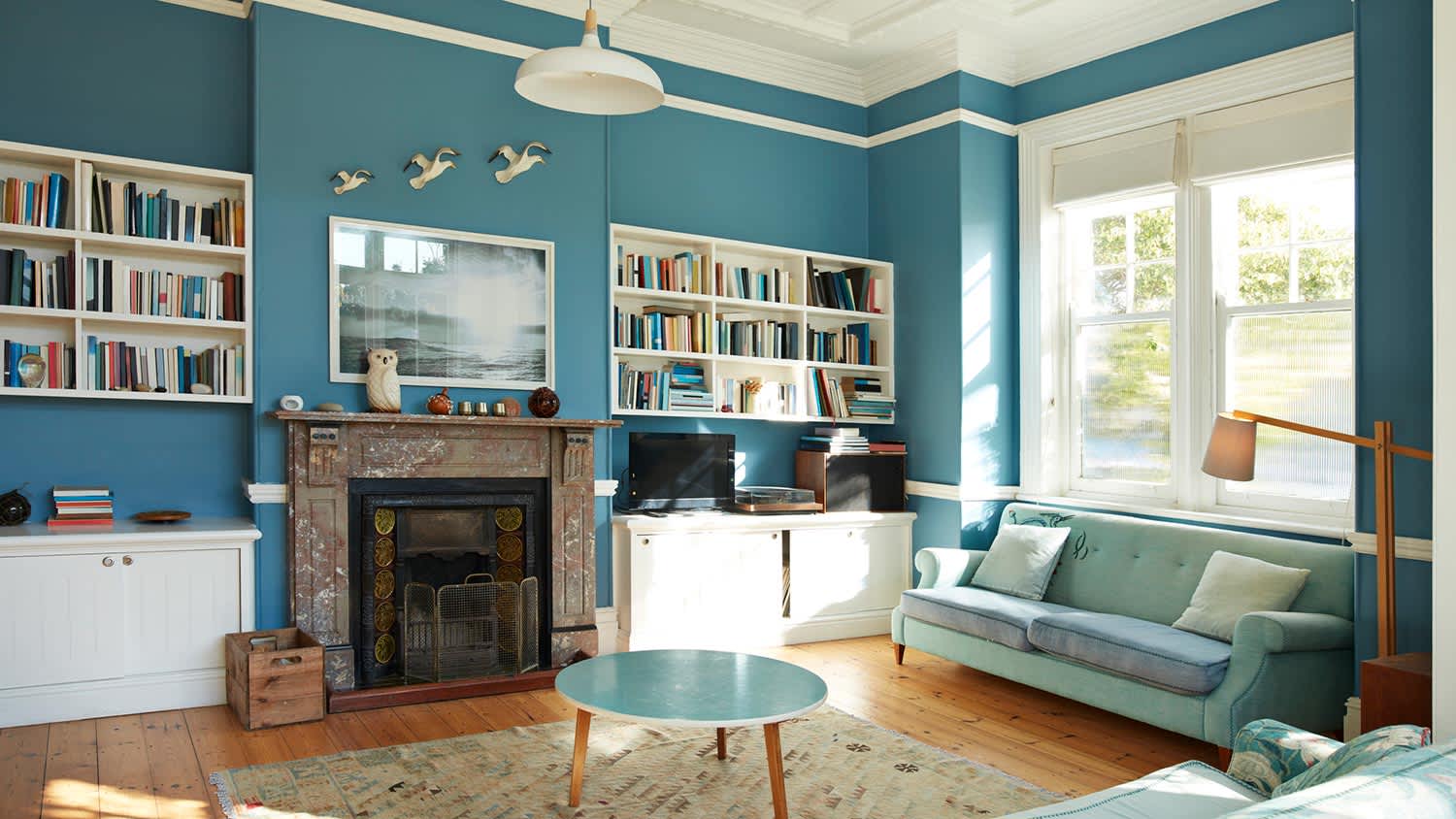
Choosing interior paint colors can send you into a multi-colored panic. Take a deep breath and read these eight tips to help you pick out the perfect hues. We can help you find the ideal paint color so you can relax and enjoy your home.
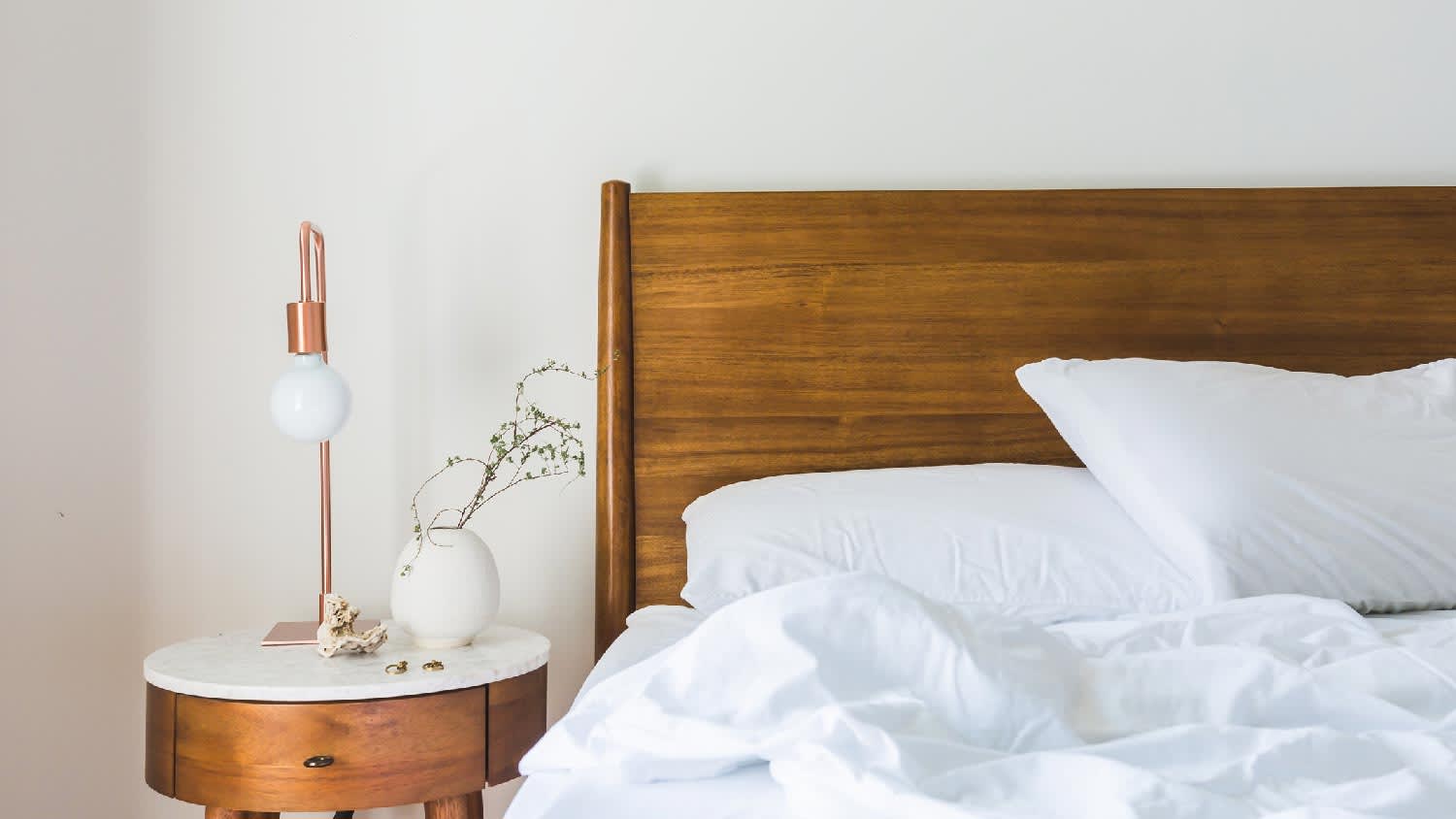
Looking for a clean white color for your home but feeling overwhelmed by the options? Learn about the best white paint colors and when each is appropriate.

From modern grays to bold jewel tones, there are various color options when painting a living room. Use this guide to find the best paint color for your space.