






Top-rated aquarium service pros.

Get matched with top aquarium service pros in Springfield, MO

Enter your zip and get matched with up to 5 pros

Need a pro for your aquarium service project in Springfield, MO?

Select your specific project to find the pro for you.

TRUSTED BY SPRINGFIELD, MO HOMEOWNERS

  • Average homeowner rating star icon4.6
    Average homeowner rating
  • Verified reviews icon808
    Verified aquarium services reviews

Find Aquarium service pros in Springfield

Dreamscapes
4.4(
17
)
Water Feature - Install a Pond

Serving Springfield, MO and surrounding areas

In business since 2014

Free estimates

Emergency services offered

"They are our first call any time concrete work is needed at our business locale. Not only fair pricing, but utmost concern that we are happy with their work! They have re-done concrete porches, concrete steps and railings (welding) and most recently worked to refinish our concrete outdoor hot tub. Highly recommend!"

Stamped/Colored Driveway
Stamp/Stain
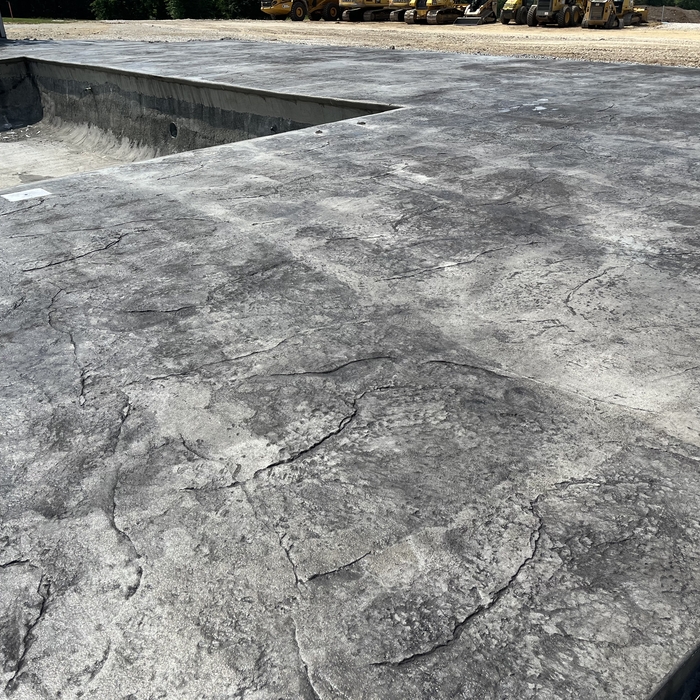
Gunite Pool
Gunite Pool

+16

Response time3 days
Recommended by30%of homeowners

Showing 1-10 of 28
Aquarium Services questions, answered by experts

A properly installed and maintained septic drain field (also known as a leach field) can last up to 50 years, though the average is around 20 years. However, factors like poor soil conditions, heavy usage, or improper maintenance can significantly shorten its lifespan to 15-20 years.

To extend the life of your drain field:

  • Schedule Regular Inspections: Have the entire septic system, including the drain field, inspected every two to five years to catch problems early.

  • Protect the Area: Avoid driving heavy vehicles or placing heavy structures over the drain field. Plant only grass or other lightweight vegetation with shallow roots over the area.

  • Maintain the Septic Tank: Proper care of the septic tank, including regular pumping and avoiding harmful chemicals, prevents strain on the drain field.

Be aware of signs of failure, such as strange odors, standing water, or unusually lush grass over the field, which indicate your system may need professional attention.

The bacteria already present in your septic system should be enough to break down solids in a properly maintained septic tank. However, if you’re in a DIY mood, you can try adding (well-mashed) rotten tomatoes to help the good bacteria fulfill their duty. Just make sure you give them a couple hours to work after flushing them down.

You can check your own septic tank, but take precautions. Locate the access lid, usually buried a few inches underground, and remove it carefully. Look for the sludge and scum levels, and if they’re high, that means pumping may be necessary. Check for odors, slow drains, or pooling water around the drain field, which could indicate issues. Never enter the tank, as toxic gases can be fatal. All of that being said, a professional inspection is safer and more thorough.

Pumping involves opening the tank lid, removing solids and wastewater, and inspecting components for wear or damage to maintain optimal function.

Your sewer line can get grimy quickly. To prevent sludge buildup in your sewer line, pour a mixture of 1/3 cup of vinegar and 1/3 cup of baking soda down each drain in your home once a month. After about 30 minutes, flush the drain with hot water.

Some plumbers recommend 3/4 cup of bleach instead to clean any germs and bacteria that may build up in your sewer line. But this won’t break down any active clogs, and it cannot be combined with vinegar, as the mixture will create a toxic, hazardous gas.

The Springfield, MO homeowners’ guide to aquarium services

From average costs to expert advice, get all the answers you need to get your job done.